Expertise
Domestic hot water
SINTEF analyzes the energy needs for domestic hot water in buildings, energy losses related to this, and more energy-efficient and environmentally friendly solutions for the use of tap water in...
SINTEF analyzes the energy needs for domestic hot water in buildings, energy losses related to this, and more energy-efficient and environmentally friendly solutions for the use of tap water in...
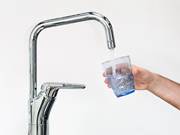
SINTEF helps municipalities ensure that the water they supply is safe and that the water treatment is sustainable with minimal use of chemicals and energy. We work within the following fields:...
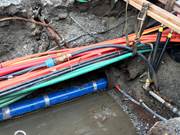
Norwegian municipalities will spend almost NOK 200 billion on maintaining the water supply networks over the next 20 years. SINTEF assists the municipalities in taking the step from an analog to...
SINTEF assists municipalities, inter-municipal companies and private industry in finding the right processes and technology for handling wastewater and sludge. Safe treatment of wastewater to...
Knowledge and methods for reducing risk are a key research topic at SINTEF. Safety and risk management in the aquaculture industry involve human, technical and organisational factors that...

Climate change leads to more frequent and heavy rainfall, and in cities, flooding from rainwater has caused significant damage. SINTEF helps municipalities with stormwater management using the...
SINTEF offers a wide range of field surveys and measurements for buildings and structures. What is technical construction advise? Condensation and moisture control in construction parts...
SINTEF knows the solutions and details that meet Norwegian building regulations, planning and participation processes. We also help with design processes that promote universal design and quality...
SINTEF conducts research on energy use in different buildings, including analysis of energy measurements and other measurement data, simulation of energy use in buildings and areas, load profiles...
We work with decision-support for infrastructure development. Our research covers technology selection, balancing maintenance versus new investment, and the order and prioritization of measures...
Which road and transport projects are profitable to build? SINTEF develops methodology and calculation tools on behalf of Norwegian transport companies such as Statens vegvesen, Nye Veier,...
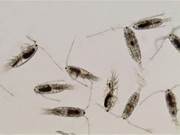
Commercial production of marine fish and other marine organisms depends on juveniles of high quality. SINTEF combines biological and technological expertise to develop production protocols and...
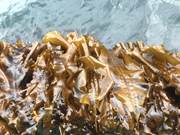
Cultivation of macroalgae is an emerging industry in Norway and the rest of Europe. New consumer trends, market demands and opportunities for multiple uses of macroalgae such as food, bioactive...

In IMTA, a minimum of two aquatic species from different trophic levels (e.g salmon and kelp) are farmed in an integrated fashion to improve efficiency, reduce waste, and provide ecosystem...

Seaweed faming captures large CO2-amounts and by replacing products from feedstocks with big climate footprint the overall CO2 emissions may be reduced. However, we also need to remove CO2 from...
Instead of discharging valuable nutrients and biochemicals we should rather save them by recycling. Biological recycling and reuse of organic and inorganic compounds for new bioproduction in...
We use mathematical models to simulate the production potential of low trophic aquaculture species such as seaweeds. We also study how these cultures interact with the marine environment in order...

Salmon lice pose a significant challenge for both fish welfare and the environment. The development of resistance in salmon lice means that it is necessary to develop new methods for effective...
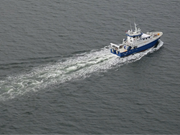
SINTEF has over 75 years of experience of ship model testing in our test facility in Trondheim. But we also have a large experience in doing speed trails and field measurements. SINTEF can provide...
To realize the prospected growth in salmon aquaculture, new technologies and methods are needed to develop effective waste handling and effective feed-loops. Salmon aquaculture is based on the use...