Mapping of marine rest raw materials 2026-2028
Marine rest raw materials represent an important value-creating resource for the Norwegian fisheries and aquaculture industry. Mapping has shown that the vast majority is utilised today.

Marine rest raw materials represent an important value-creating resource for the Norwegian fisheries and aquaculture industry. Mapping has shown that the vast majority is utilised today.

Helping energy-intensive industries replace fossil process heat with a plug-and-play package of high-temperature heat pumps, latent thermal storage and AI-based energy management, co-developed with users.

Can Norwegian farmed seaweed be used to create healthy food ingredients?

Generative AI and surrogate digital twins for human-centric coastal and Earth-system resilience and impact assessment

AQUALICIOUS is a Horizon Europe Innovation Action designed to demonstrate the potential of low-trophic aquaculture (LTA) and integrated multi-trophic aquaculture (IMTA) solutions across Europe.

Continual, explainable and embodied artificial intelligence

The project will make aquatic litter monitoring across Europe more comparable and reliable, providing better evidence for environmental assessment, management and policy.

Open, transparent modelling for the transition to natural refrigerants.

HARMONI is a Horizon Europe project developing a systemic solution to integrate renewable energy sources and ammonia-hydrogen fuel blends into cement manufacturing, enabling cement plants to operate as intelligent energy hubs for industrial...

The project aims to develop novel frameworks and methods to facilitate the large-scale reuse of timber in construction.

Enables secure, ethical and legally compliant use of sensitive data in AI, strengthening trust, collaboration and responsible innovation across healthcare, industry and technology.

RAPIDO aims to develop new processing strategies for materials used in solar hydrogen production. By introducing rapid thermal processing (RTP), the project seeks to improve the efficiency and durability of photoelectrochemical (PEC) devices that...
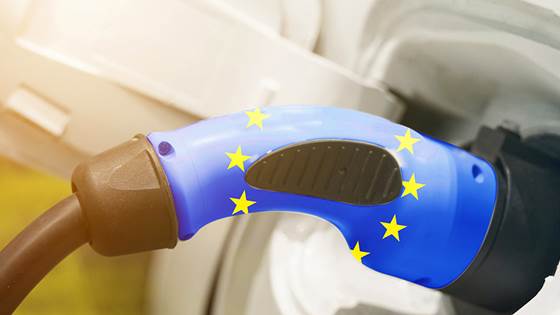
The Horizon Europe project OLiMPUS will develop new lithium-ion LMFP||graphite battery cells that are cost-effective, safe, and sustainable, and that can be efficiently produced using European materials.

LOOP converts agri-food waste into biopolymers for sustainable packaging, coatings and biofertilizers, reducing food waste, fossil materials and emissions through circular biotechnology.

KnoWare will develop the first scientific methodology to detect and forecast emerging capabilities in General Purpose AI systems, before they fully materialize, helping AI providers, regulators, and organizations stay ahead of AI risks.

The project enhances resilience, safety, and security of Automated Air Traffic Management under rare high impact events.

ReSiLient develops sustainable ways to produce silicon (Si) and silicon carbide (SiC), helping strengthen Europe’s supply of critical materials for semiconductor production.

The project will develop, test, and document an even lower impact shrimp trawl than the trawls presently used in outer Oslo Fjord.

Co-gasification of plastic waste with biomass residues, combined with CCS, presents an innovative bioCCS pathway for managing waste, contributing to negative emissions and supporting the transition to a circular economy.

We will conduct research on making telecommunications infrastructure quantum-secure using QKD, a technology that, in the long term, will be crucial to ensuring that sensitive data is not compromised.

FIT-HORIZONS aims to develop a holistic, intelligent and flexible design tool environment that will accelerate the adoption of multiple decarbonising retrofit technologies for various vessel types.

The project aims to develop robust thin film piezoelectric microelectromechanical systems (TFPMEMS) for future advanced micro- and nanotechnological applications, implementing mitigation strategies to increase tolerance and prevent critical...

Climate-friendly hydrogen production technology based on materials that act as an “oxygen battery,” making the process more efficient and reducing CO₂ emissions for the benefit of industry and society.

The introduction of climate friendly aircrafts provides new business opportunities for Norwegian companies.

REACT is a Horizon Europe project developing an innovative tandem electrochemical process to directly convert industrial CO₂ streams into valuable olefines mixtures for sustainable polymers, chemicals, and fuels.

SINTEF provides cost estimates, projections, and a socio-economic analysis that form a solid basis for the future design of the user-controlled personal assistance (UCPA) scheme.

The BlueNature Centre will develop concrete, research-based solutions for the sustainable use of marine and coastal spaces and natural resources.

Collaboration, competence development and sustainable resource use in everyday life and crisis — The main goal of the project is to learn how the fire and rescue service should use drones as a response service for alarms and reported incidents. The...

Increased use of large floating closed cages by increasing understanding of interactions between fish density, behaviour and hydrodynamics, and assessing failure mechanisms to ensure structural integrity.

Snow Crab Facts develops a knowledge base on the snow crab fishery, examining how regulation and delivery models affect value creation, employment, and coastal communities in Northern Norway.

The project develops climate-friendly technology to convert methane into ethylene with high efficiency, a reduced CO₂ footprint, and increased value creation from natural gas and biogas.

The primary objective of WindFactory is to establish a scalable, high-volume manufacturing system for offshore wind substructures by creating a future-ready prefabrication factory that is flexible, digitalized, and robotized.

We develop systems for the collection of hydroacoustic data in commercial fishery, with processing and analysis methods enabling use in stock assessment and precision fishery.

VERA explores patient and staff views on meaningful outcomes in women’s health services at the Salvation Army’s Street Hospital, forming a basis for an evaluation framework.

The project aims to improve support for vulnerable youth through cross-service collaboration, ensuring support, better health, and opportunities to complete education and participate in society.

STRIDE-COM develops and tests smart insoles that detect diabetic foot ulcers before they form, moving prevention from specialist clinics to community care across contexts in Europe and North America.

The project will strengthen the resilience, security, and reliability of tomorrow’s mobile systems against increasingly intelligent adversaries.

The project explores whether drones can speed up transport of blood samples and hospital supplies in rural areas, enabling faster diagnostics and more resilient healthcare.

The NORHyWAY Hydrogen Valley showcase hydrogen’s vital role in driving the green transition, while actively tackling sector-specific challenges.

The Saltation project aims to develop a foundational theoretical framework for understanding the complex interplay of forces and processes governing salt precipitation during CO2 storage.

ResiLand develops a resilience platform that integrates analytics, simulation, and decision-support tools to help AgriTech companies strengthen their robustness and adaptability navigating uncertainty

Developing resilient offshore renewable energy systems combining wave, wind and solar power to deliver low-cost clean electricity and support the green transition.

BYEAST vil utvikle nye gjærstammer spesielt for produksjon av enkeltcelleprotein til fôr.

The project aims to provide knowledge about solutions for sludge collection in closed containment systems, with a focus on maintaining safe food production, fish welfare and the external environment.

BlueGreenFood aims to develop sustainable methods to preserve and use seaweed, ensuring stable supply, reducing climate impact, and creating healthy products in circular value chains.

The project aims to transform industrial waste streams, biological rest materials and surplus energy into valuable feed ingredients to reduce Norwayʼs dependence on imported feed raw materials.

The UPGriD project develops next-generation modeling tools that will help improve the utilisation of power components and the electricity grid.

Develop and validate circular and sustainable electronic products, manufacturing processes, and business models that enhance value creation and resilience in Norwegian electronics value chains.

The ESA STARS project explores the feasibility of inter-domain routing algorithms in space-based networks to pave the way to a network convergence between terrestrial and space.

B-READY is a 'Green Platform' project, developing next-generation battery systems to strengthen both the green transition and security of supply in the power system.

Beam me up! aims to enhance building stock models for circular urban development by incorporating diverse data sources to predict construction material streams for reuse, repurposing, and recycling.

CaptureY establishes a deeper understanding of the political, regulatory, and techno-economic conditions for implementing carbon capture and storage in waste-to-energy facilities.

The project will map challenges and potential strategies for circular models in the electronics industry, with a focus on product design, material usage, business models, and sustainability data.

Some industrial machine parts wear out quickly. Good foundry technology and modern grain refiners makes it possible to produce parts that last much longer before needing replacement.

ClampIT studies how clamping forces in transformers change under dynamic loading, to improve transformer reliability and design.

DigiVita brings together research, industry and the public sector to develop digital solutions that promote health, strengthen self-management and reduce pressure on health services.

The “eCO₂ industries project: Towards Climate-Positive Industries” is a Clean Energy Transition Partnership (CETPartnership) project aiming to accelerate the transition of hard-to-abate industries towards net-zero, and even climate-positive...

The project strengthens the international collaboration on the well integrity topic covering the full well life cycle across petroleum, geothermal, and CO₂ storage applications.

IPN HyTemp aims to develop an innovative high-temperature heat pump (HTHP) for industrial applications, based on a reversed Stirling cycle using hydrogen (H₂) as the working fluid.

The NEMEGIS project will contribute to the transition to an SF₆-free power grid in Norway and Europe, without compromising grid resilience.

SINTEF and St. Olavs Hospital develop new technology for image guidance and artificial intelligence in bronchoscopy – to improve decision support in lung cancer diagnostics.

The main goal of the project is to improve the clinical understanding of relationships between clinical/radiological characteristics, disease courses, and treatment responses in patients with central nervous system tumors. The project focuses on...

Fjellmjølk explores how summer farming and other mountain milk can create new value through seasonal processing in the Norwegian counties Innlandet and Trøndelag.

The project will establish a new measurement method for the smallest plastic particles – nanoplastics. We will map where the nanoplastics come from, test new ways to remove them, and examine how industry and society can contribute to the solution.

The objective of the project is to contribute to the reconstruction of Ukraine through systematic sharing of expertise between Norwegian and Ukrainian actors across the construction value chain, the research and academic sector, and governmental...
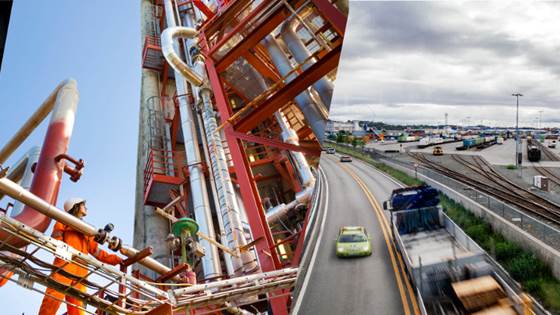
Making it easier to develop, deploy and scale next generation AI and robotics solutions for inspection and maintenance.

The research project SafeLiMAR aims to make Li‑ion battery systems safer by improving design practices, operational procedures, and overall competence in the maritime sector.
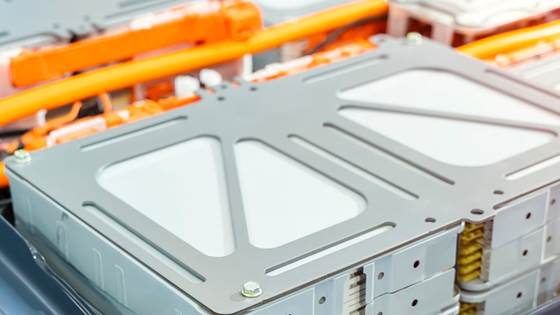
The project will develop and demonstrate an entirely new concept for the separator used in electrochemical devices, with demonstration in Li-ion batteries

SFI Seaweed unites academia, industry and the public sector to develop knowledge and technology for a sustainable macroalgae industry.

SHARP will enable safer handling of ammonia through experimental campaigns, development of validated models and case studies.

Making it possible to turn valuable fish by-products into food rather than waste through machine vision and adaptive cutting.

This project will generate new knowledge on how hydrogen affects welded steel joints in offshore pipelines. This will support more reliable transport of oil and gas, reduce the risk of leaks, environmental damage and major accidents, strengthening...

SURFER will support Europe’s energy transition by creating more resilient, decarbonised energy systems by advancing hydrogen electrolysers.

Circular use of feathers via innovative tech that turns them into feed and biodegradable materials, returning nutrients to soil. Less waste, better resource use, and a sustainable food chain.

The aim of the project is to explore how civilian 5G technologies can be adopted in defence and international peacekeeping operations to enhance operational effectiveness and interoperability.

We aim to develop a practice-oriented knowledge base on how biological processes can more effectively utilise aquaculture sludge and enable new, sustainable value chains.

The project enables assurance-driven security engineering by combining AI-based assurance services, digital twins, and SecDevOps/MLOps to continuously assess, validate, and improve security and compliance across system lifecycles.

Phase 1 aims to cut FOWT towing costs by reducing conservatism through better knowledge, validated methods, and a guideline for safe, efficient operations.

The objective of the feasibility study is to assess the potential for developing and implementing an information system for provision of Assistive Technology (AT) that can be integrated into existing Health and Education Information Systems in Uganda...

The project will develop a sustainable value chain for Norwegian skate, a by-catch and underutilised marine resource, by turning it into high-value ingredients for nutraceuticals, food and pet food.

A CETP research project aiming to make carbon capture more efficient, safer, and environmentally friendly. It focuses on improving how to manage the chemical solvents that are used to capture CO¬2 from industrial emissions.

Pre-project for the establishment of a greenhouse for tomato production using surplus heat from a datacenter

The project will develop a calculation model for the mass flow of sludge from feeding to on-site storage ��� for open marine fish farms. Proposals for uniform terminology will also be developed.

The project examines how Northern Norway can develop efficient and integrated logistics solutions for CO₂ transport.

Ecosystem Monitoring and Scaling for Climate Change Impacts

The EU project eREGENERATE is working to develop a new generation of Direct Air Capture (DAC) technology that can remove CO₂ directly from the air in a more efficient, affordable, and sustainable way.

The overarching objective of INCLUCity+ is to support the development of the 15 minute city (15mC) that equitably integrates the diverse needs of logistics operations and children/teenagers, while addressing socio-spatial inequalities.

The jAInitor project aims to develop new solutions that help building managers detect faults in HVAC systems earlier and fix them faster. Instead of relying on threshold alarms or manual inspections, jAInitor will use artificial intelligence (AI) to...

To improve the understanding of wind turbine noise generation, propagation and impact on humans, under all Norwegian atmospheric and topographic conditions.

The ReCirc4Future project will explore novel exploitation of the side streams crude glycerol, urea fatty fraction and spent bleaching earth, that arise from omega-3 production.
The VOCSimPRO project aims to modernize and expand SINTEF’s simulation tool VOCSim. By implementing it in a modern programming language and developing new methods for calibration and uncertainty analysis, VOCSimPRO will enable emission analysis...

Can lights increase shrimp trawl catches while reducing bycatch? This project explores how shrimp trawlers can apply light to attract shrimp and help juvenile fish escape.

The main goal of the project is to create collaborations between research environments, industry and society in Trøndelag and Västernorrland in sustainable materials and chemicals production.
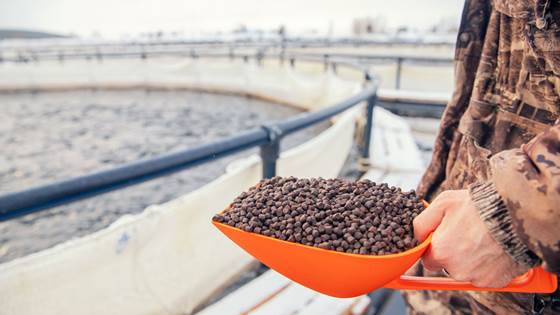
The goal is to analyse different areas of use for fish sludge, & provide a scientific decision support for identifying the most promising value chain from a resource & environment perspective.

Provide better Arctic oil-spill detection using satellites and real-time monitoring, and enable faster, coordinated response to reduce environmental harm and protect communities.

Optimising agrivoltaic O&M across Europe by investigating context-specific challenges, innovating sensor and control systems, and co-designing a predictive, cost-efficient management strategy.

A Horizon Europe project developing an integrated suite of robotic, digital, and AI-based technologies to support the full renovation process, from inspection and diagnosis to repair, safety, planning, and sustainability assessment.
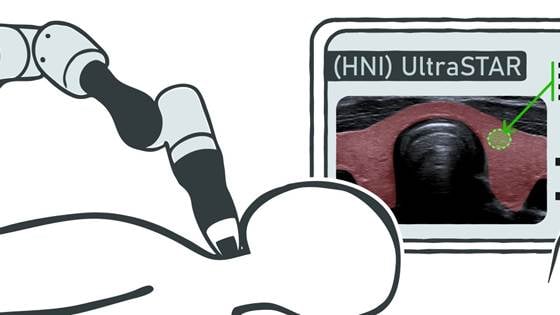
The primary goal of this project is to test if ultrasound scanning of the thyroid gland is feasible using a robotic arm, without any radiologist present.

TRACE develops knowledge and methods for the sustainable development of the transport sector.

The project develops new insights into how we can build greater robustness in the food system by fostering east–west collaboration between regions, rather than traditional north–south approaches.
Caption header image: Illustrasjon: SINTEF.