

Ethylene is one of the most important building blocks in the chemical industry and is used in the production of plastics, chemicals, and advanced materials. Today, ethylene is mainly produced through energy-intensive steam cracking of fossil feedstocks, resulting in significant CO₂ emissions. At the same time, there is a growing need to utilize natural gas and biogas more sustainably.
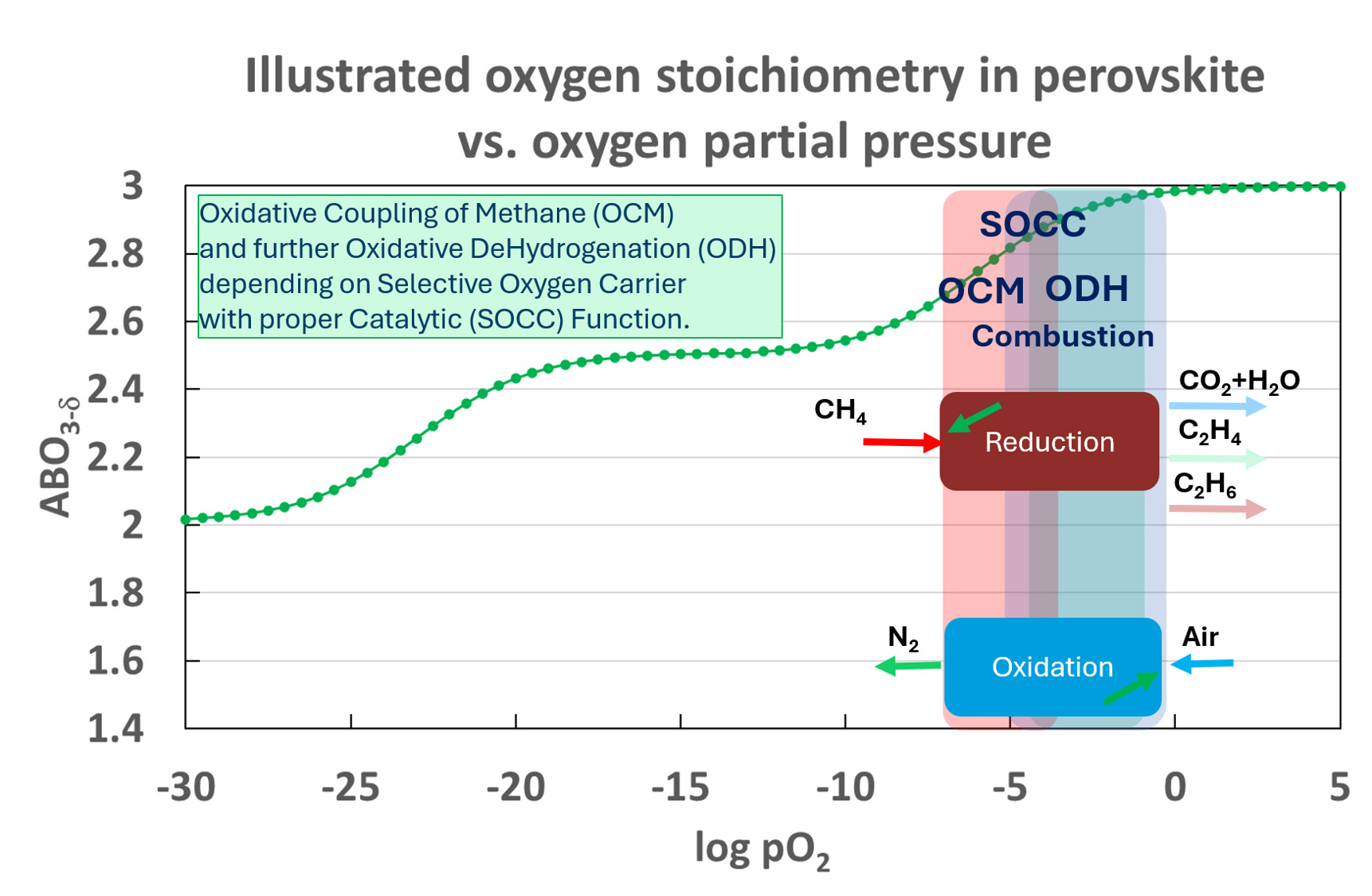
This forms the basis of the SOCCER project, which develops a novel technology for the direct conversion of methane to ethylene using chemical looping.
The project addresses several key challenges associated with current production routes
One major challenge is achieving high selectivity toward ethylene while preventing methane from being over-oxidized to CO₂. In addition, the process must be energy-efficient, robust, and scalable for industrial implementation. SOCCER develops novel Selective Oxygen Carriers with Catalytic Function (SOCCs) that precisely control oxygen transfer, increasing ethylene yield while reducing energy consumption and greenhouse gas emissions.
The project is highly relevant because it supports the transition toward a more circular and climate-friendly chemical industry. The technology has the potential to reduce emissions, improve the utilization of biogas and natural gas resources, and enable future solutions for hydrogen production, carbon capture, and gas separation. These objectives are closely aligned with European decarbonization and green industrial development goals.
SINTEF coordinates the project in collaboration with UiO and contributes its extensive expertise in materials development, reactor engineering, and process intensification. Through advanced material synthesis, characterization, modelling, and reactor testing, the project will develop and validate new oxygen carrier materials and process concepts, helping to bridge the gap between laboratory-scale innovation and industrial deployment.