AEGIS - Advanced Security for nExt-Generation Mobile Infrastructure and Systems
The project will strengthen the resilience, security, and reliability of tomorrow’s mobile systems against increasingly intelligent adversaries.
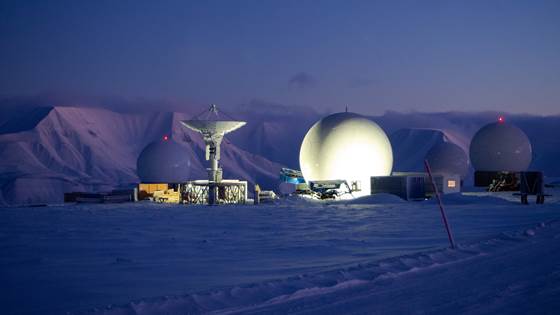
The ESA STARS project explores the feasibility of inter-domain routing algorithms in space-based networks to pave the way to a network convergence between terrestrial and space.
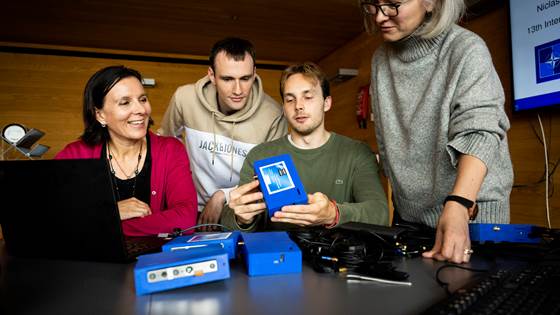
The aim of the project is to explore how civilian 5G technologies can be adopted in defence and international peacekeeping operations to enhance operational effectiveness and interoperability.
Provide better Arctic oil-spill detection using satellites and real-time monitoring, and enable faster, coordinated response to reduce environmental harm and protect communities.
The EDA SHABAM project address the future of robust and flexible military radio communications.
Model and reduce the uncertainties in lifetime prediction of marine risers based on targeted probability levels using probablistic and multi-fidelity modelling relying on measurement data.
Accelerate the maritime energy transition and reduce emissions from ships through R&D for innovation and value creation within the Norwegian maritime and energy industries.
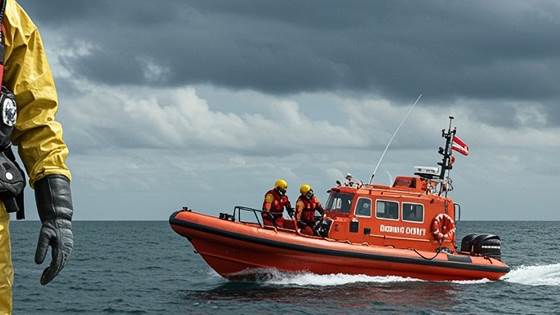
The main objective of RESPOND-SEA is to promote knowledge to improve interaction, collaboration, and coordination between public sectors, administrative levels, and between governmental and non-governmental bodies in the safeguarding of critical...
The main objective of the project was to develop sandwich panels with a new multilayer technology to ensure low transmission loss at higher frequency bands, while maintaining a self-supporting structure capable of withstanding demanding climatic and...
How can local food strengthen both preparedness and local communities? This project examines how farmers, municipalities, and the Armed Forces can collaborate to make greater use of locally and regionally produced food.
We explore the potential of quantum computing in solving optimization challenges in the defense sector, collaborating with NeQst to exchange methods.
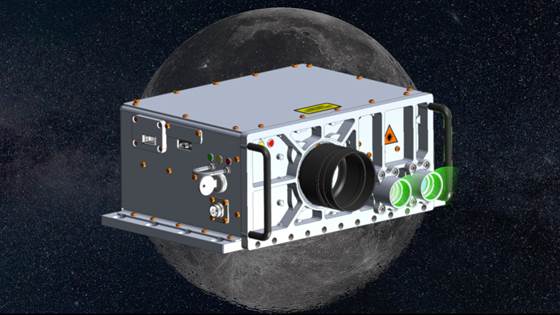
SINTEF is in collaboration with Kongsberg Defence & Aerospace to develop a cutting-edge 3D camera for use in outer space. The camera can contribute to orbital satellite servicing and safely landing on the moon.
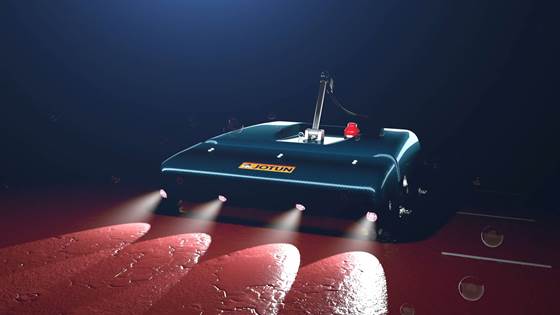
Through this project we will develop sensor systems and algorithms for autonomous navigation of underwater robots that cleans ship hulls.
The project has developed new knowledge and provided guidance to protect industrial control and safety systems against cyberattacks. Several threat actor groups are actively targeting the petroleum sector, and the number of publicly reported...
The competence building project (KSP) MultiFlow SUITE contributes to digitalization of the Norwegian Continental Shelf. Large amounts of data will be exploited in development and training of digital tools that reflect how gas, oil, and water flow...
The CANDO2 project seeks to build upon the successes and lessons learned from the CANDO project in order to address a facet of the SPS Key priority of Counter-Terrorism via the ‘Methods for the protection of critical infrastructure, supplies and...
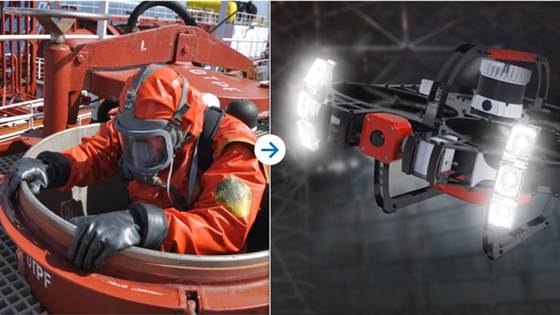
The vision for this project is to develop a fully digital process for inspection of indoor industrial assets based on an intelligent, tethered drone system that eliminates the need for human entry to confined and often dangerous spaces. The system...
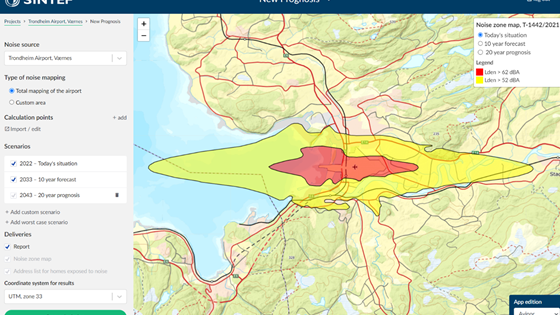
SICALC is a new service model for calculation of air traffic noise.
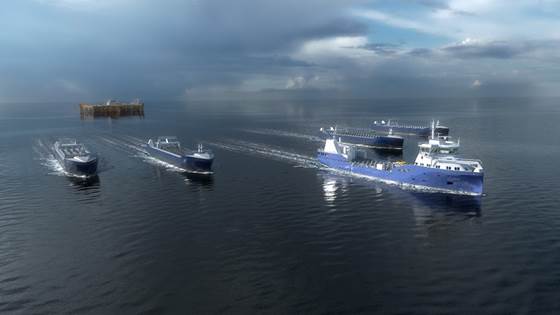
AUTOSHIP focus on autonomous ships, and the use of them in waterborne transport systems.
Caption header image: Illustration: SINTEF