
SDN microSense
The smart energy ecosystem constitutes the next technological leap of the conventional electrical grid.
The smart energy ecosystem constitutes the next technological leap of the conventional electrical grid.
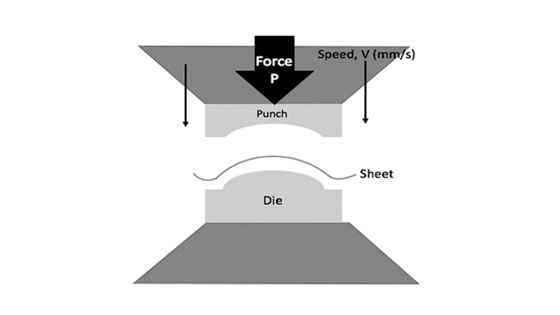
The goal of the project is to establish technology to make demanding components for automotive, enabling lighter cars with reduced CO2-emission.

CareMatch is a research and innovation project that will make it radically cheaper to offer and procure personalised services for the follow-up and guidance of people with dementia.
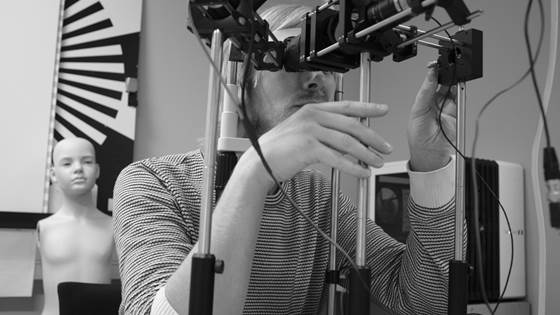
Develop a compact and easy-to-use retinal camera for early screening of diabetic retinopathy.
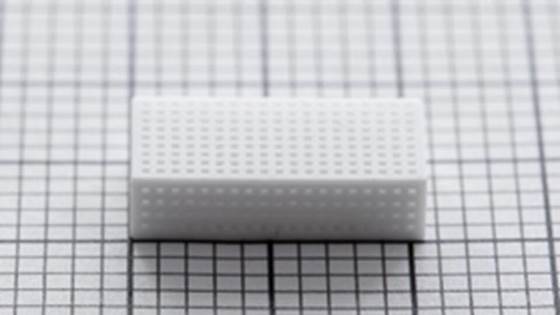
The 3D-PIEZO project aims to develop a manufacturing chain for 3D printing and multilayer lamination of piezoelectric elements for ultrasonics and other applications. The project will apply lead-free (Pb-free) high performance piezoelectric ceramic...
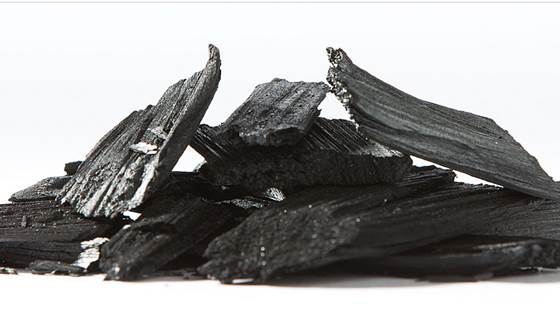
In the project BioCarb+ 2014-17, a huge effort was made towards studying the biocarbon value chain and its different value chain elements with respect to improvement possibilities while satisfying end-user demands.
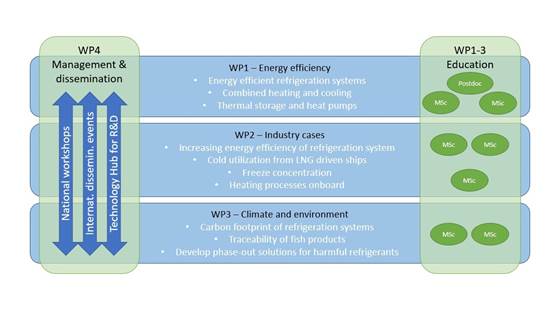
This project has now been completed as of September 2023 and this website will no longer be updated. However, all content will still remain available.
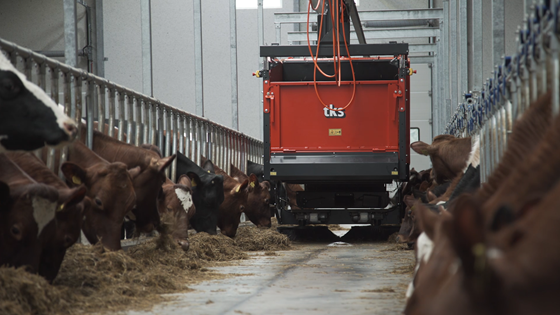
The FeedCarrier project will develop an automatic feeding system that analyses, fills, and distributes feed fully automatically, thereby reducing manual labour and improving safety for the farmer as well as enabling precise control over the timing...

The project aims at a democratic approach with a computational platform to incentivise different parties in a health data ecosystem to define, negotiate, and manage their respective rights, obligations, and the benefits associated with health data in...
IMPACTS9 will support delivery of the R&I activities outlined in the Implementation Plan for CCUS through the provision of coordination and support to the key public and private stakeholders that are well placed to progress the SET-Plan...
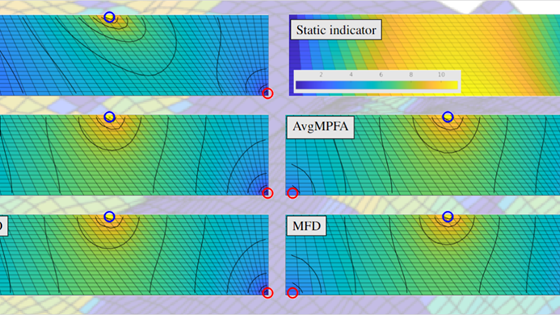
The purpose of the project is to assist the client in the development of an industrial solution for multiphase and coupled flow-geomechanical simulations on unstructured grids representing structurally complex reservoirs.
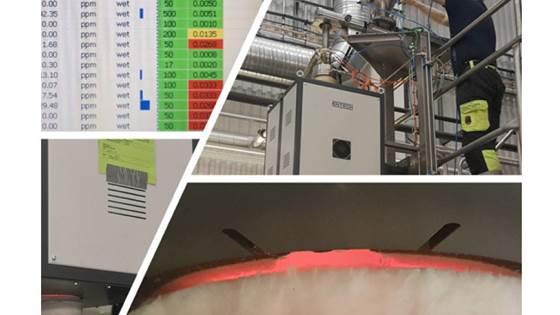
NEWEST_CCUS: Technologies for Carbon Capture, Utilisation & Storage
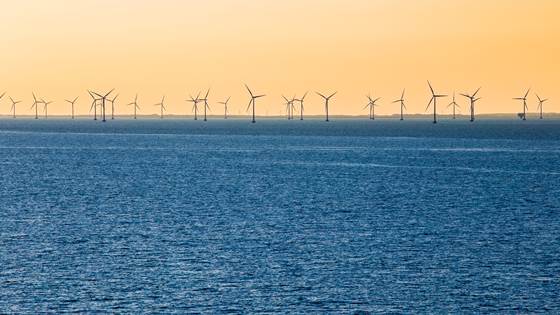
The EU Strategic Energy Technology Plan (SET-Plan) was launched in 2008 and updated in 2015. It coordinates European low-carbon research and innovation activities.

Efficient and climate-friendly snowmaking
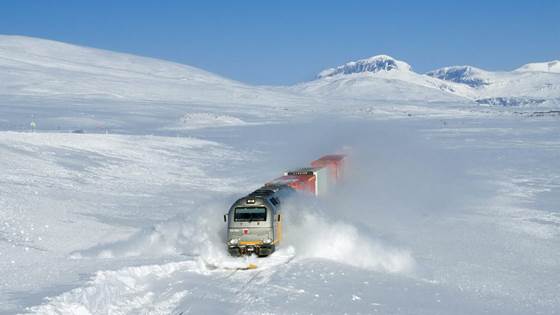
As many European countries, Norway has still a significant length of non-electrified railways. New technologies like hydrogen fuel cells and batteries can be a better option than expensive catenary lines.
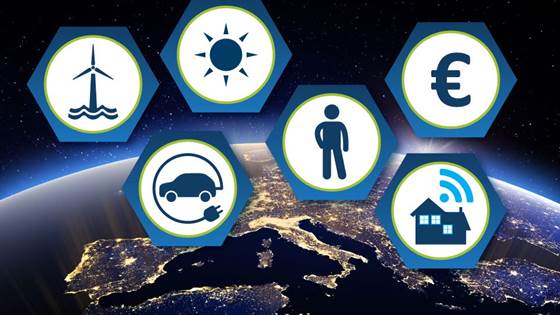
Energy system models are used, among other things, to understand different development pathways for the energy system and their consequences.
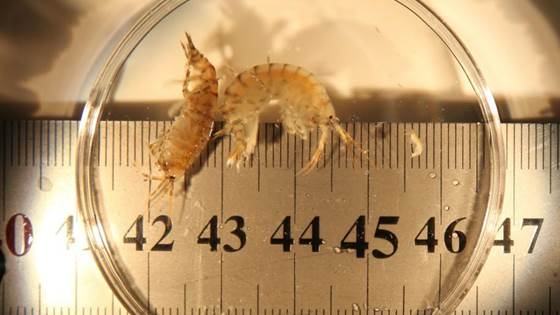
BIOCYCLES aims to increase the sustainability of today's bio-based industries by creating a new biomarine production. This production is based on the cultivation of crustaceans that recycles and fully utilises rest raw materials and converts them...
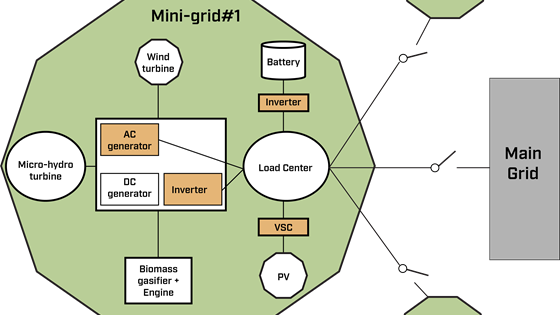
Grid Interconnection protocols for largely dispersed minigrids/microgrids for electrification of rural India.