
BioNETzero
Integrated oxy-combustion solutions for flexible, bio-based combined heat and power
Integrated oxy-combustion solutions for flexible, bio-based combined heat and power

CETP LEGACY develops tools and technologies for screening, modeling, monitoring, and mitigating well integrity issues and leaks.
CO2 routes across Europe

Demonstrate and test a new Compact Once Through Steam Generator (COTSG) as a core component of offshore Combined Cycle Power Plants (CCPP)
ICO2NIC will couple developments in polymer membrane-based CO2 capture technology with a novel Gas Diffusion electrochemical cell for CO2 to formic acid conversion. Valorisation of formic acid via innovative biological processing routes will deliver...

The project's goal is to support Trondheim's climate transition by developing knowledge and solutions for CCS as part of a fair and sustainable urban development.

Advancing scalable technology for hydrogen production

The SENSATION project will develop a sorbent-based carbon capture technology tailored for low CO2 concentrations, varying from 400 ppm in air (Direct Air Capture) to 1-3 vol % for industrial sources.
Carbon capture from syngas to Single Cell Protein (SCP) and use as fish feed ingredient

CAPTUS aims to demonstrate sustainable and cost-effective pathways to produce high added-value renewable energy carriers from the carbon emissions of energy intensive industries.

CAPTUS will demonstrate sustainable and cost-effective pathways to produce high-added value RECs in EIIs by valorizing industrial carbon emissions and integrating renewable electricity surplus.

AURORA will further develop and demonstrate advanced CO2 capture technologies to the point of commercial deployment.

The Haugalandet region located on the south-western Norwegian coast, is well situated for delivering captured CO2 for storage on the Norwegian Continental Shelf (NCS).

CO2FFER focuses on providing key models and experimental data to support the optimisation and further development of CO2 ship transport and direct CO2 injection from ships.
Gas turbines that use natural gas as fuel are currently the main source of the power and heat required for offshore operations.
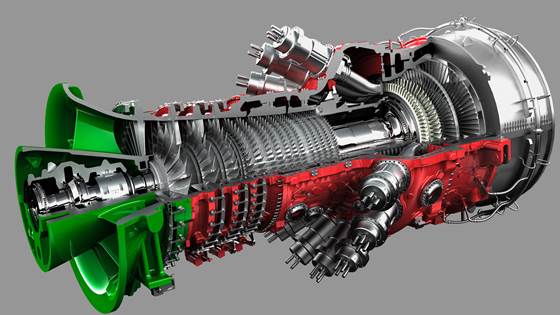
The project aims to validate a fuel-flexible, longitudinally staged (sequential) combustion system, named Constant Pressure Sequential Combustor (CPSC) and developed by Ansaldo Energia, for operation with any hydrogen concentration in natural gas, up...

The maritime transport sector has set a goal to reduce carbon emissions by at least 50 % by 2050. Green Marine aims to accelerate climate neutrality in waterborne transport by retrofitting existing fleets with emission control solutions.

Securing the European green transition through research, business and government collaboration