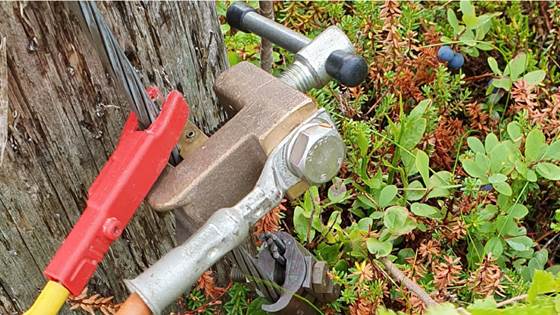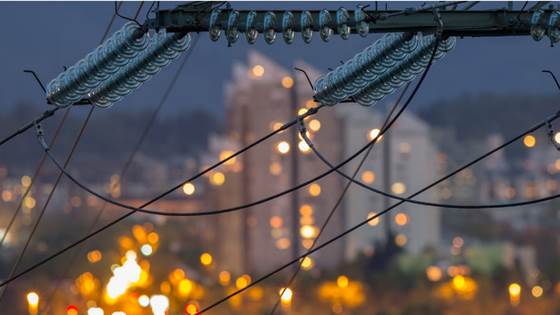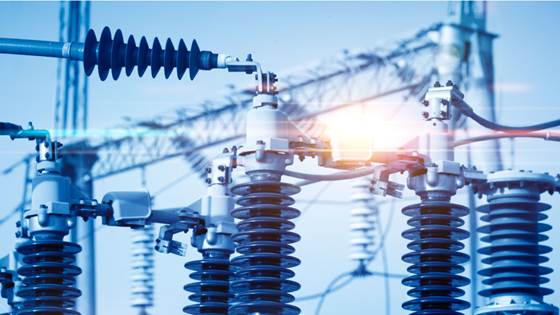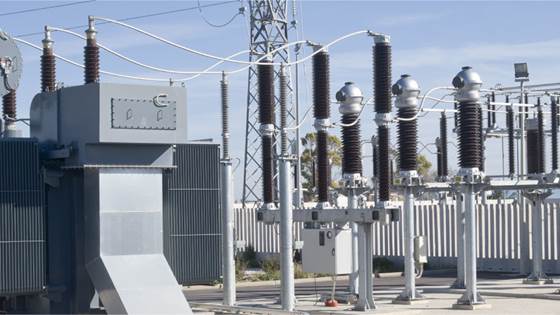
The electrical power engineering laboratories comprise several specialized laboratories for testing and developing everything from large power components to fundamental research on the materials used in these components.
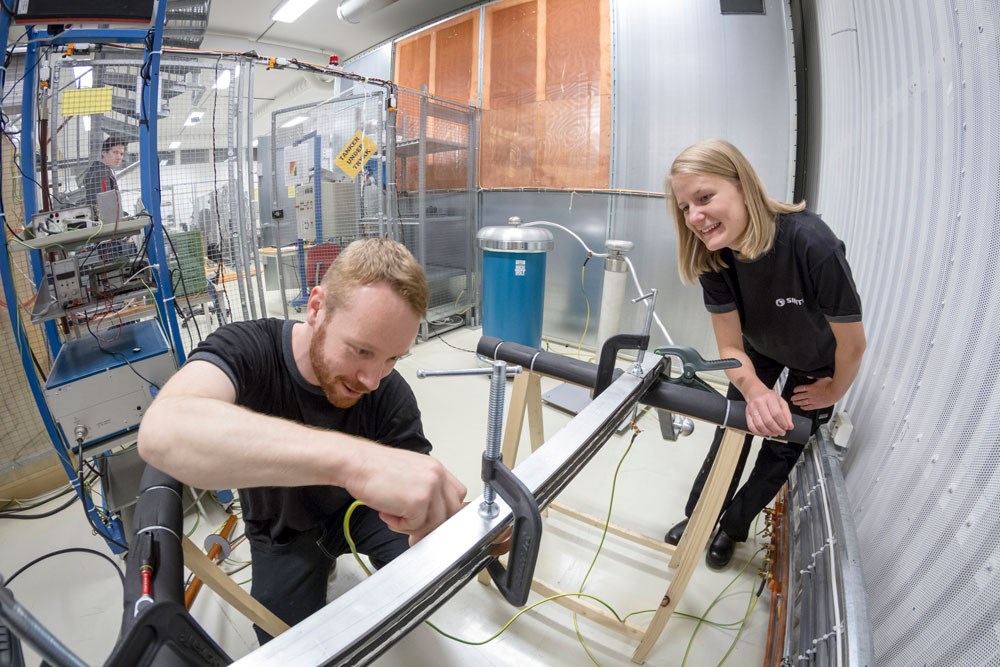
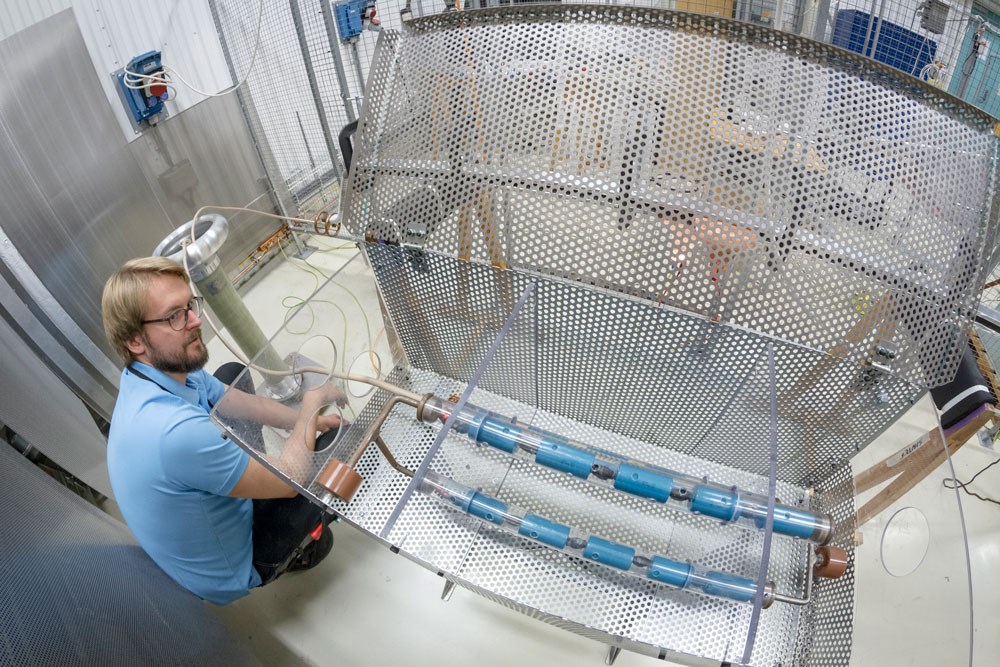
In our high-voltage laboratories, we test large electrical power components such as cables and cable accessories, transformers, switchgear, bushings, and more. We have equipment for applying voltages of up to 800 kV AC, 1200 kV DC, and 2400 kV lightning impulse. Typical measurements include current and voltage, partial discharge (PD), dissipation factor (tan δ), and more.
High-current and short-circuit tests can be performed at voltages ranging from 115 to 690 V, with currents of up to approximately 90 kA peak and 50 kA continuously for 1 second (50 Hz AC). The laboratory can also be used for testing 24 kV switchgear with currents of up to 1 kA. For continuous testing, we can perform tests with currents of up to 10 kA at 25 V AC.
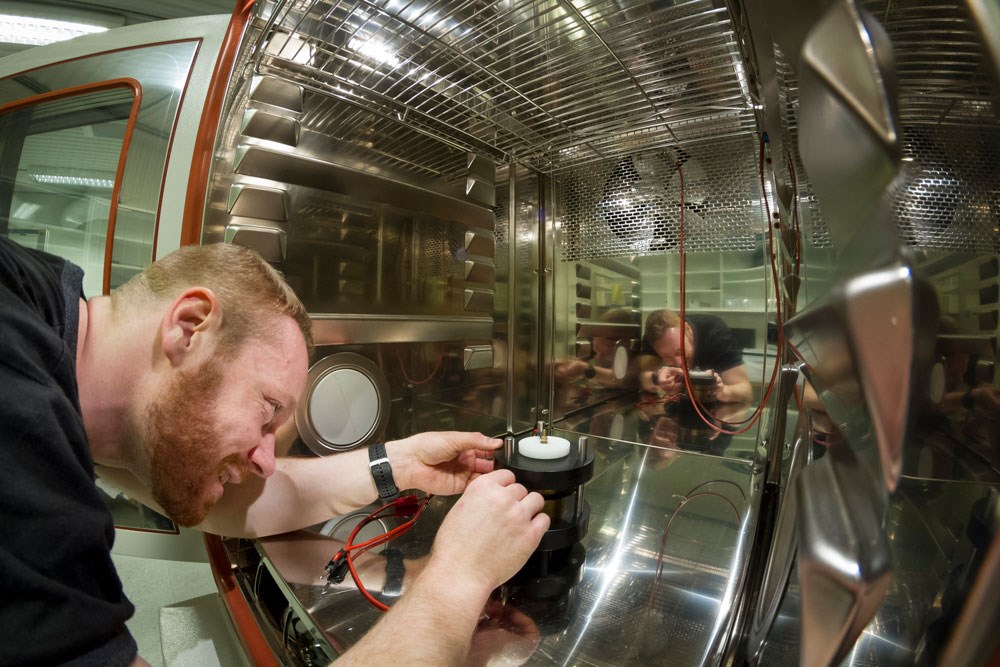
The ageing laboratory consists of several laboratories for the ageing of mainly cables, although other power components are also relevant.
The mechanical laboratory is used for testing conductors and other components for power lines. Tensile and bending tests of other materials can also be performed, including for testing electrical insulation materials.
The subsea laboratory has a wide range of pressure vessels, primarily used for testing electrical power equipment intended for subsea applications.
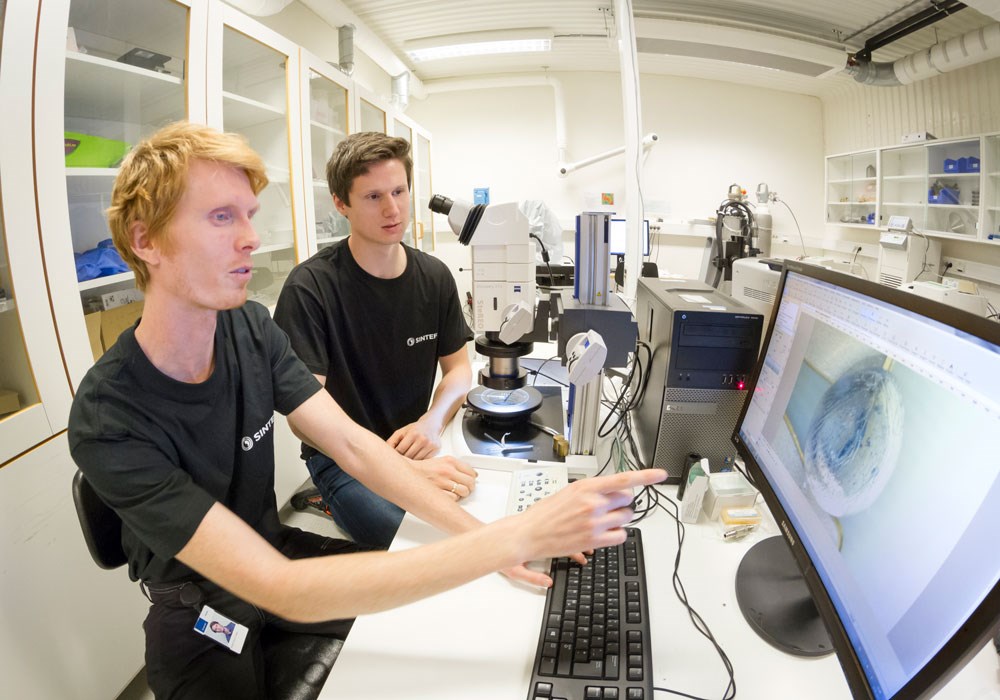
The chemical laboratory is used to analyse samples that have undergone ageing in the laboratory, as well as samples collected in the field.
The power electronics laboratory is used for testing power electronic components, circuits, and models.
The laboratories for power systems with renewable energy are equipped with components, grid models, and control equipment for research in areas such as smart grids, wind power, and other renewable energy generation.
SINTEF Energy collaborates with other laboratories through Scandinavian Association for Testing of Electric Power Equipment (SATS).