The transport sector accounts for approximately 29% of global greenhouse gas emissions. According to the United Nations, decarbonising transport through zero-emission solutions is one of the key measures required to achieve global sustainability by 2050.
There is no single sustainable solution for all modes of transport. Conditions vary considerably between countries and sectors. To establish a zero-emission transport system, all viable alternatives must therefore be considered, and all energy carriers (fuels) and emission-reducing technologies should be included to make the best use of their respective strengths. They must also be viewed in the context of the wider energy system. The associated challenges are complex, and the interactions between technologies and sectors are intricate. Interdisciplinary collaboration is therefore essential to delivering sustainable transport solutions.
Land transport – road and rail
Norway is a global leader in the electrification of passenger cars, with the world's highest number of electric vehicles per capita. SINTEF works closely with industry to develop zero-emission solutions for heavy-duty road transport and to identify suitable solutions for railway lines that are not already electrified.
Maritime transport
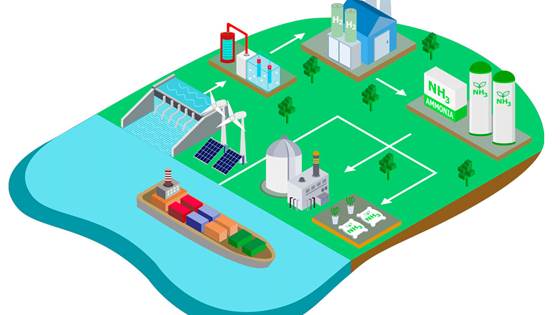
Norway is internationally recognised as a major maritime nation, and SINTEF is home to leading research environments working on environmentally friendly solutions for the maritime sector. This includes alternative propulsion systems based on electricity, hydrogen and ammonia, as well as onboard carbon capture directly from ships.
Aviation
Zero-emission aviation is a less mature market, but significant technological advances are expected over the coming years, particularly in electrification and the use of hydrogen as aviation fuel. SINTEF conducts research to support the demanding process of developing and certifying new aircraft technologies. Through its membership in the European Clean Aviation partnership, SINTEF also plays an active role in shaping strategic European research and innovation within the aviation sector.
Across all transport modes, there is a growing need for new infrastructure for charging, refuelling, producing and distributing new energy carriers. Transport and energy systems converge at hubs such as airports and ports, and SINTEF is already involved in projects aimed at developing the airports and ports of the future.
SINTEF has more than 30 years of experience in developing technologies for zero-emission transport, serving a broad range of customers with diverse needs, including county authorities, shipping companies, shipbuilders and equipment suppliers, logistics companies, public authorities and port operators. We help our clients develop new infrastructure solutions that enable the transport sector to achieve the green transition. We also conduct research on the production, handling and use of new zero-emission energy carriers and propulsion systems. Through techno-economic analyses, SINTEF provides decision support to industry and public authorities as they transition towards zero-emission transport.