To main content

Circular Bioeconomy

Circular bioeconomy means that we are able to recycle most of the biological waste we throw away. For example, leftover food, wood and leather products.

Contact persons

Environmentally friendly and sustainable circular bioeconomy should largely focus on biomass that cannot be used as food, such as seaweed, algae and waste from food production.

SINTEF is looking at how food waste, sludge and surplus heat can be part of the solution. We have a long way to go. Fortunately, it does not depend on the will of the industry and the public, but on access to good and profitable technologies and solutions. We need extensive research and innovation to find, develop and commercialize the solutions that will let us go from a linear to a circular society.

Expertise in circular bioeconomy

Laboratories on circular bioeconomy

Biomass Processing

Biomass Processing

In the laboratory for biomass processing, we extract and process products from various types of marine, land-based, and microbial raw materials.

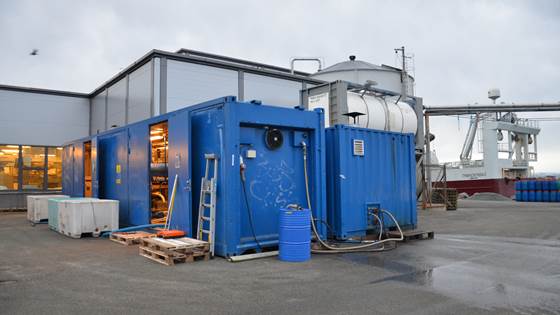
Mobile Sealab

Mobile Sealab

This mobile facility enables you, in collaboration with SINTEF, to develop new products and optimise your production technology for the processing of virtually any kind of raw material, including waste raw materials.

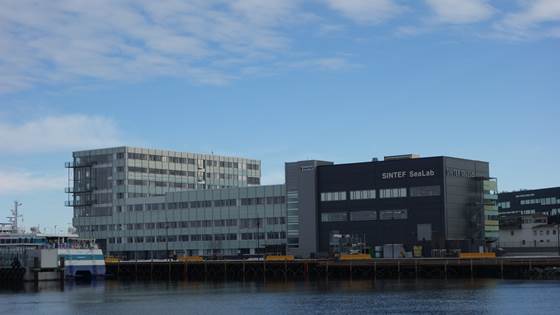
SINTEF SeaLab

SINTEF SeaLab

The laboratories at SINTEF SeaLab have been established to support our research activities. They are well-equipped with instrumentation and can be adapted to various kinds of studies.

News on circular bioeconomy

From waste, via insects to fish feed – is it safe?

From waste, via insects to fish feed – is it safe?

That fish eat insects and bristle worms is nothing new. But can we farm insects for use in fish feed when they are fed on food waste? New research shows that this can be safe, if handled correctly.

Projects on circular bioeconomy