DEMETER - IoT-based data analysis to improve farming
IoT-based data analysis to improve farming
The primary objectives of the project are to explore health risks among firefighters, and to study the dual challenge of exposure to heat and carcinogenic compounds exposure and related outcomes, and how this knowledge can be used to establish...
For the O&G industry, risk-based hydrate management can be a viable strategy for significantly widening the operational window. The traditional approach has been to avoid entering the hydrate region (high pressure and low temperature) altogether by...
We will develop a set of wearable technologies and miniaturized sensors which protect and empower first responders, and their K9 companions, during response operations (natural calamities, e.g., earthquakes, and man-made attacks, e.g., terrorist...
The goal of the project is to reduce the number of workers that get noise-induced hearing loss.
The Norwegian industry is among the cleanest in the world and great efforts are made to reduce emissions even further. To this end, many different kinds of challenges must be overcome, and one often overlooked difficulty lies in measurements. The...
Emission free energy: Development of effective two-phase heat pump for industrial steam applications.
AUTOSHIP focus on autonomous ships, and the use of them in waterborne transport systems.
Advanced Wave and Wind Load Models for Floating Wind Turbine.
Pollution of water and groundwater is a key environmental issue in India. Several states have reported fluoride contamination of water, and others have found traces of arsenic and carcinogenic pollutants.
Vision: Accelerating deployment of offshore wind
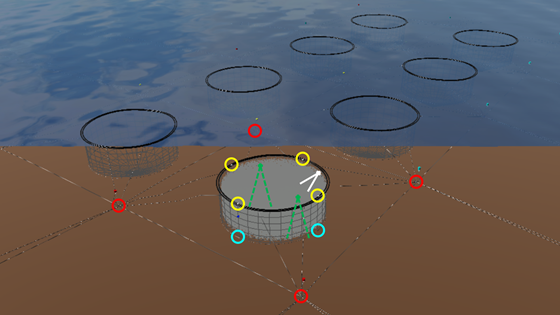
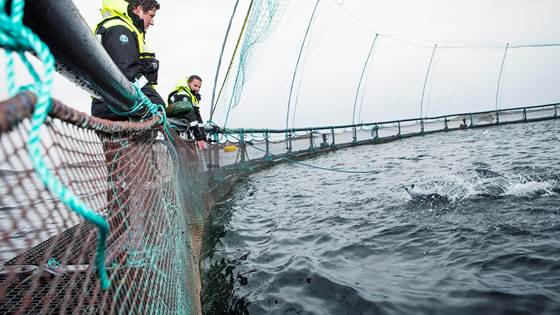
Autonomous containment- and production systems for smolt and post-smolt production.
Proton Exchange Membrane Electrolysers (PEME) are widely used to make hydrogen gas from renewable energy. As the demand for hydrogen as a fuel grows, lower cost electrolysers are needed. The CoDe-PEM project aims to contribute towards the development...
The overall objective of ENERLYTE is to generate knowledge of liquid, polymeric and composite based of electrolytes suitable for high voltage Li-ion batteries.
Fires lead to major losses every year, both in terms of fatalities and injured people, and in terms of lost values. In response to this challenge, the Fire Research and Innovation Centre (FRIC) started in 2019.
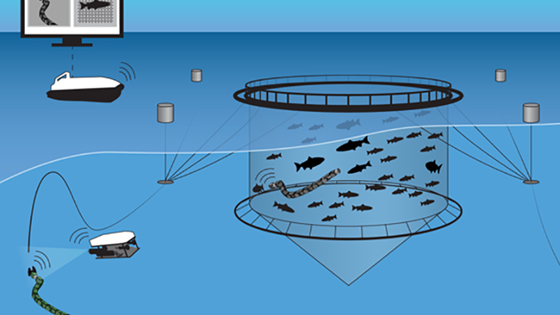
Tetherless robot for biofouling prevention and inspection in salmon farming
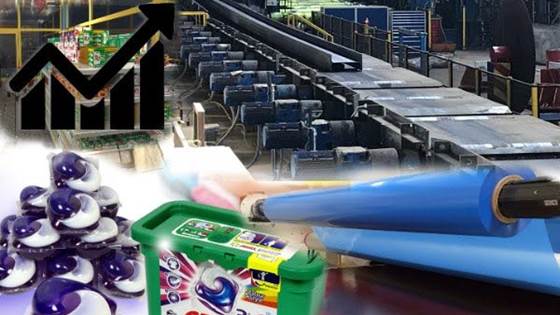
SmartFab will focus on solutions based on state-of-the-art principles and methods in areas such as digitization, circular economy and product development.
The I-CNSS project was dedicated to developing an integrated communications, navigation and surveillance (CNS) infrastructure. The aim was to support European and global harmonization of CNS between airlines, air navigation service providers (ANSPs...