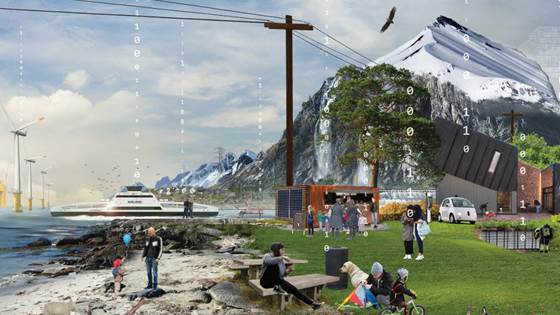
FINE – Flexible Integration of Local Energy Communities
How to integrate local energy communities (LECs) in a flexible way into Norway’s electricity distribution grid?
How to integrate local energy communities (LECs) in a flexible way into Norway’s electricity distribution grid?
The project is a concept evaluation for innovative energy and climate solutions in buildings, building areas and energy systems.
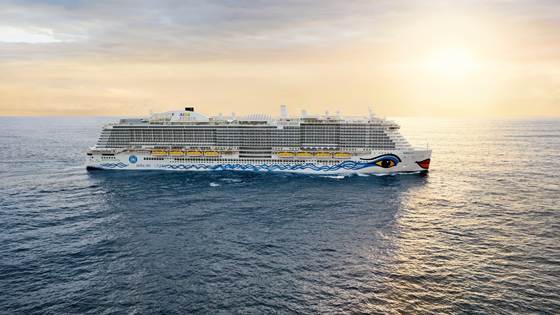
Development of innovative and integrated cooling and heating concepts onboard cruise ships
To be able to integrate new load demand and generation in an ageing power system, we need to better utilize the components of the power system, while at the same time ensuring the reliability of electricity supply.
The main goal of the eNeuron project is to develop innovative tools for the optimal design and operation of local energy communities (LECs) integrating distributed energy resources and multiple energy carriers at different scales.
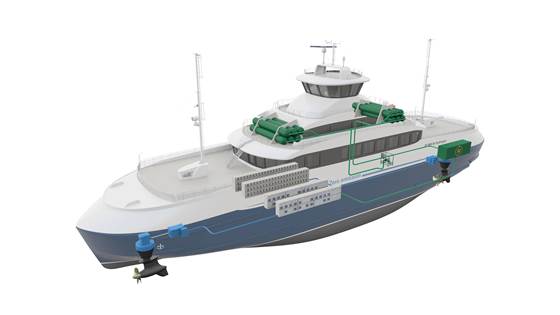
Electrification of the transport sector can be achieved with hydrogen and/or battery technologies. The modular nature of these components allows for individual tailored sizing of the power system, perfectly adapted to specific requirements. Optimum...
BATTERY 2030+ is the large-scale and long-term European research initiative with the vision to invent the sustainable batteries of the future and enable Europe to reach the goals envisaged in the European Green Deal.
Hydra will hybridize high-power and high-energy electrode materials to create sustainable Li-ion battery cells with excellent energy density.
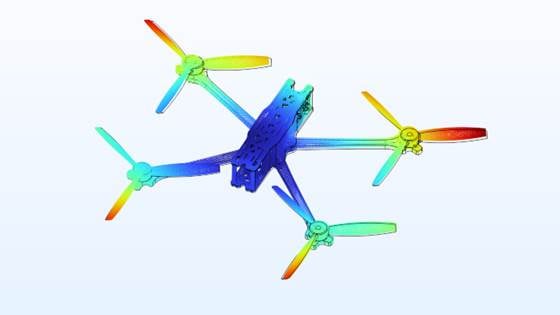
The RAPID project aims to save lives by delivering an warning system that early can detect critical deterioration in transport system infrastructure, and also minimise system disruption and delays to critical supply chains.

Developing innovations to facilitate planning and operation of Sustainable Plus Energy Neighbourhoods in different climate zones of Europe
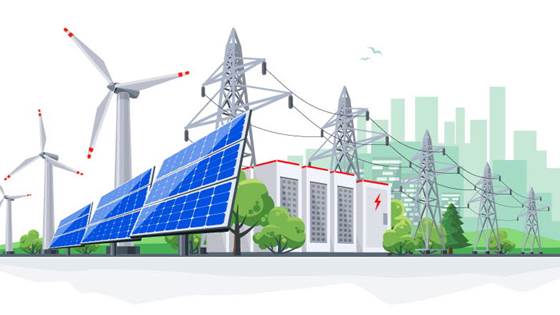
The SUPEERA project supports the implementation of the SET-Plan.
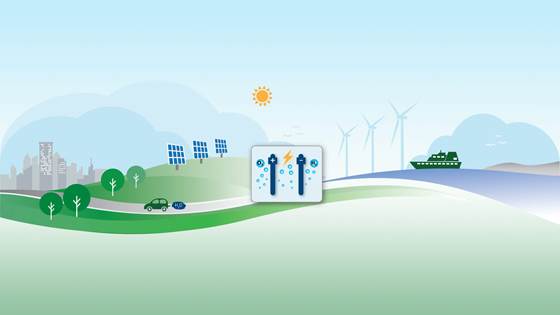
the objective of the CHANNEL EU project is to develop a low cost and efficient electrolyser stack and balance of plant (BoP) that will become a game-changer for the electrolyser industry.

KoBas aims to develop predictive models for volume and price in the regulating power market, with associated outcomes. Predictions in these markets will create value, both on their own and in combination with existing decision support tools.

EduCool will be a platform for students and young researchers to develop cutting-edge environmentally friendly heating and cooling systems for the Indian market.
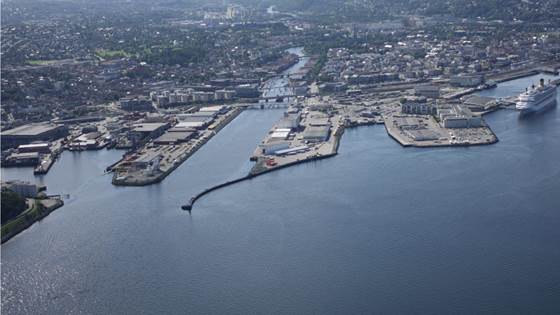
Challenges related to the electrification of maritime transport are now being mapped in a new SINTEF project with port authorities, grid companies, energy companies and ship-owners as partners. The aim is to reduce emissions by making the...
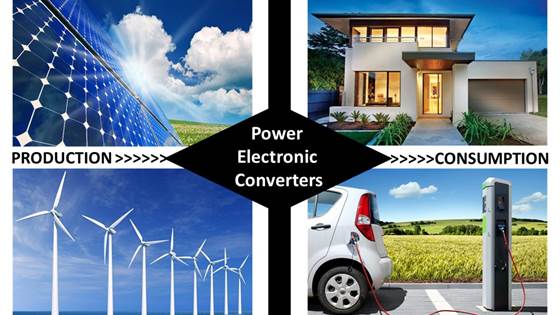
The aim of the GO2DEVICE project is to develop a new transistor for use in the power electronics sector, which has the potential to become faster, smaller and operate at higher power than existing options. Power electronics (PE) play an important...

Hydropower is the backbone of Norway's power system. It is renewable and well-established, accounting for the majority of Norwegian power production.
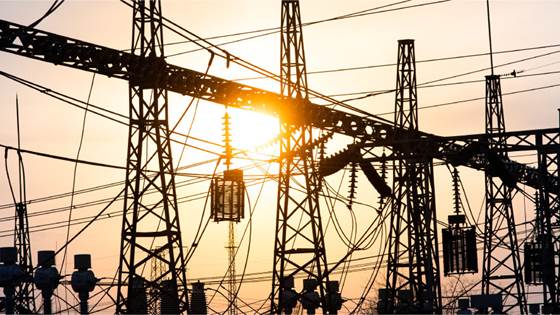
NEWEPS is a Nordic research Project for a more efficient digitalized Power System between Statnett and SvK