







Measurement project for road traffic noise
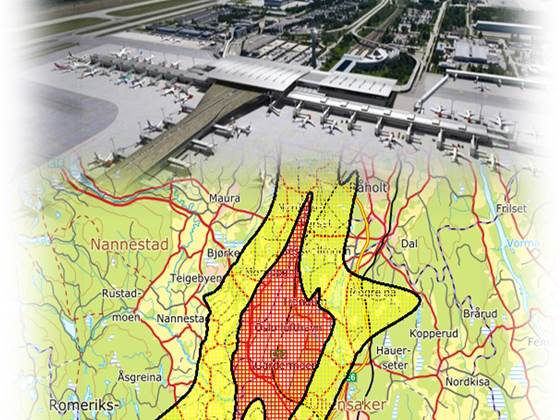
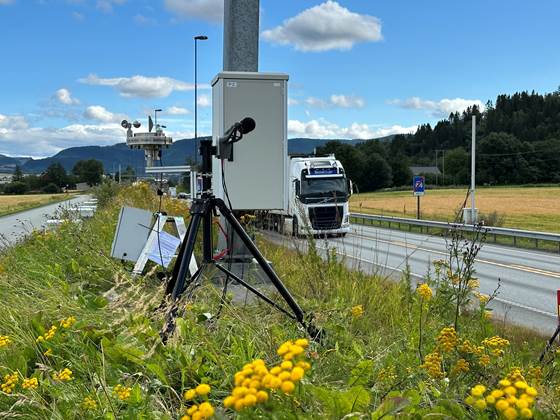
This project aims to adapt the new noise estimation methodology to Norway's unique conditions, by using large amounts of unmanned measurements and machine learning.

The Acoustics research group develops knowledge, methods and tools to understand, measure, model and utilise sound and vibration in air, water and solid structures. We combine acoustic theory, measurement technology, signal processing, numerical modelling, transducer technology and artificial intelligence to solve practical challenges for industry, the public sector and society.
In environmental acoustics, we develop methods and tools to calculate, measure and understand sound in our surroundings. We work with noise from roads, railways, aviation, industry, shooting activity, drones and wind energy, but also with how we can listen to nature to monitor wildlife, biodiversity and human impacts on ecosystems. The group has strong expertise in noise generation, sound propagation, noise mapping, sound-source classification and human response to noise, as well as calculation models and tools such as CNOSSOS-EU, Nord2000, NORTIM and SICALC.
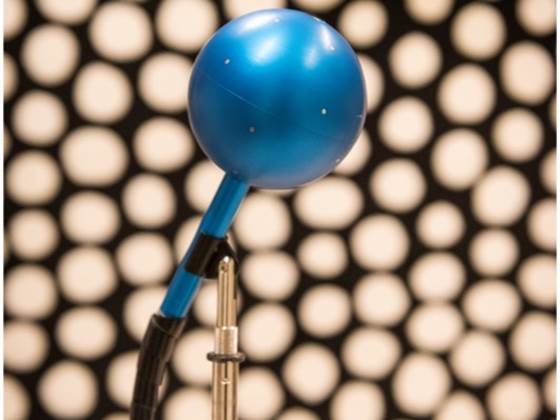
In communication acoustics, we work with sound as a carrier of information. This includes speech, hearing, electroacoustics, transducers, microphones, loudspeakers, signal processing, 3D sound, binaural audio and auralisation. We also develop technology and methods for improved hearing care, prevention of hearing loss and solutions for people with hearing impairment. This includes work related to global health, including accessible and robust solutions for hearing testing and follow-up in low- and middle-income countries.
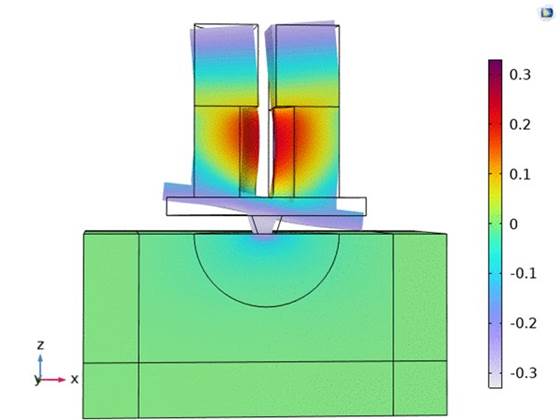
In industrial acoustics, we use sound, vibration and ultrasound to investigate material properties, processes, structures and technical components. Typical applications include non-destructive testing, integrity monitoring, acoustic sensors, transducer design, signal analysis and AI/ML-based methods for condition monitoring. We also work with elastic wave propagation in complex materials and geometries, where acoustic signals can provide insight that is difficult to obtain using other methods.
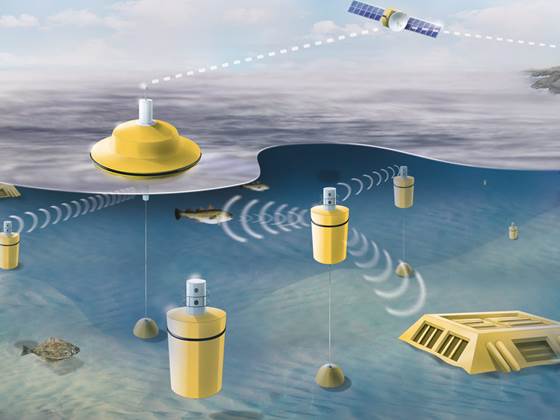
In underwater acoustics, we develop methods for sound propagation, communication, navigation, measurement and monitoring in water. This includes acoustic communication underwater, positioning and navigation support, noise from ships and other human-made activity, hydrophones, transducers, modem technology, AUVs and acoustic monitoring of the environment and wildlife.
We work in an applied, experimental and model-based way. Our work often starts from a concrete need: a customer requiring better noise documentation, an industrial actor wanting to detect faults earlier, a public-sector actor needing better decision support, or a research project requiring new method development.
We combine field measurements, laboratory experiments, numerical calculations, signal and data analysis, machine learning and software development. Our work ranges from fundamental understanding of sound generation and sound propagation to operational tools, digital services and sensor systems that can be used under real-world conditions.
We have access to laboratories and test arenas that make it possible to develop, test and validate acoustic methods under controlled and realistic conditions. In Trondheim, these include a noise and hearing laboratory for testing hearing protection, communication equipment and sound exposure; an underwater acoustics laboratory with water tanks, transducers and hydrophones; and facilities for 3D sound and auralisation.
For underwater acoustics, we also use the Trondheim fjord as a full-scale test arena, including for acoustic communication, positioning, navigation and field validation. Through SINTEF and NTNU’s OceanLab infrastructure, acoustic methods can be tested in relevant marine and maritime environments. In NorPALabs’ Logging & verification lab, we work with ultrasonic logging and verification related to well integrity and plugging of wells.
The Acoustics group has an unusually broad competence base. We cover human sound perception, advanced noise calculation, acoustic signal analysis, ultrasound, underwater communication and industrial measurement systems. This allows us to connect physical understanding with digital methods and practical applications.
A particular strength is our ability to combine measurements, models and tool development. Examples include SICALC/NORTIM for efficient and digitalised noise calculation, RoAR for robust acoustic recognition using artificial intelligence, PreWinT for improved understanding and management of wind turbine noise, and work with acoustic sensor data, signal analysis and condition monitoring in industrial systems.
Acoustics is an international field, and the research group collaborates with leading research communities, industrial actors and public-sector organisations in Norway and internationally. We have a long-standing academic collaboration with NTNU and participate in research and innovation projects where acoustic methods, standards and calculation models are developed and applied across sectors.
The group also contributes to the development and application of methods, standards and calculation models used in planning, regulation, documentation and industrial decision support.
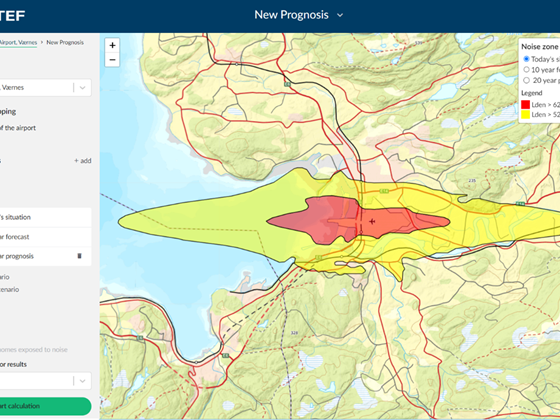
Environmental acoustics and noise calculation: Through SICALC/NORTIM, we develop digital tools for efficient and traceable noise calculation. In PreWinT, we research how wind turbine noise is generated, propagates and affects people under Norwegian weather and terrain conditions.
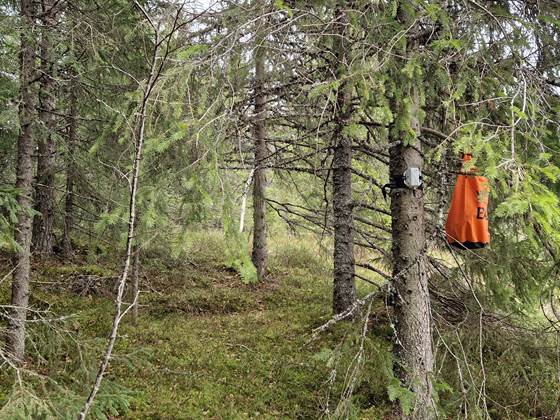
Listening to nature and acoustic recognition: In RoAR, SINTEF, Norsonic and NINA develop robust AI methods for recognising sound sources in complex environments. This builds on the group’s work in acoustic monitoring, where sound is used to understand natural environments, wildlife and human impacts on ecosystems.
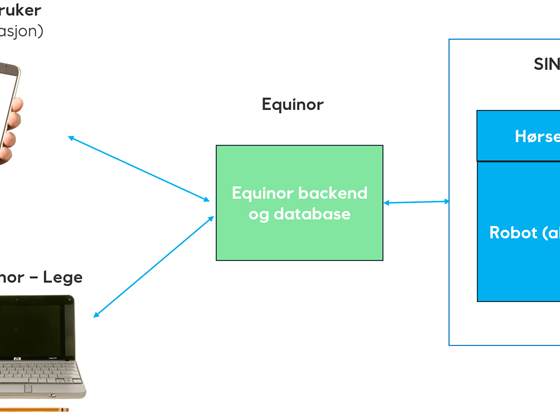
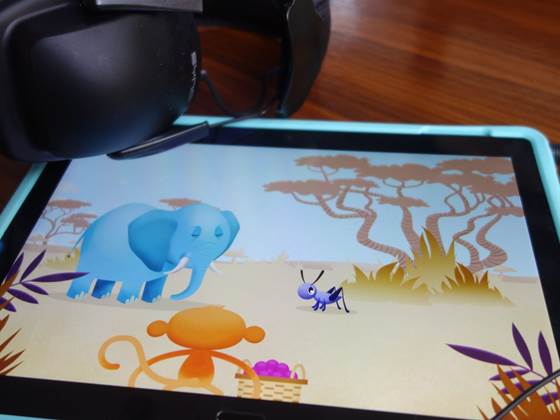
Hearing, communication and global health: In I Hear You, SINTEF and partners developed a game-based hearing test and service model for schoolchildren in Tanzania. In NILRISK, we developed digital solutions for more frequent hearing monitoring and prevention of noise-induced hearing loss.
Industrial acoustics and ultrasound: Through laboratories and test arenas such as NorPALabs, we develop and validate ultrasonic methods for material characterisation, well integrity, logging and verification. We also use acoustic signals and advanced signal processing to detect faults in processes such as laser welding and 3D printing.
Underwater acoustics and marine test arenas: We develop methods for acoustic communication, navigation, positioning and monitoring underwater. The work is supported by the underwater acoustics laboratory in Trondheim, fjord testing, instrumented buoys and access to the SINTEF/NTNU OceanLab infrastructure.
We are always open to new collaboration opportunities. Get in touch to learn more about how acoustics can be used to solve challenges in environmental management, communication, industry and underwater technology. We can contribute through research projects, strategic advice, measurements, model development or tool development.