Transport and Installation of Floating Offshore Wind Turbines (TOWIN JIP): Phase 1 - Towing
Phase 1 aims to cut FOWT towing costs by reducing conservatism through better knowledge, validated methods, and a guideline for safe, efficient operations.
Phase 1 aims to cut FOWT towing costs by reducing conservatism through better knowledge, validated methods, and a guideline for safe, efficient operations.

Model and reduce the uncertainties in lifetime prediction of marine risers based on targeted probability levels using probablistic and multi-fidelity modelling relying on measurement data.
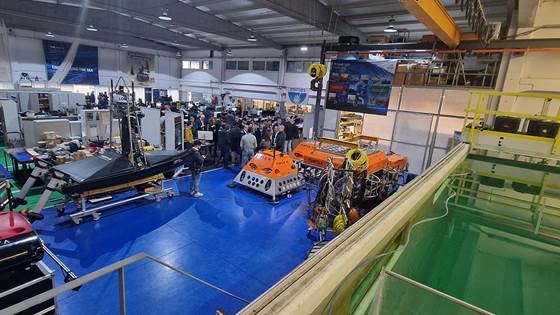
INESCTEC.OCEAN is a Portuguese Centre of Excellence addressing marine structures, marine robotics, ocean energy and ocean data, with SINTEF OCEAN as strategic partner.
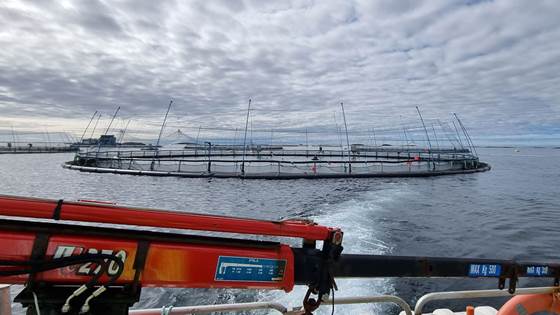
The aim is to contribute to increased knowledge about barriers to innovation and to provide suggestions for improvements enabling the important innovations that the aquaculture industry faces.
OptiFLEX will investigate the interaction between very large rotors (>20MW), towers and the floater supporting them, to precisely understand vibrations, mitigate fatigue and avoid failure.
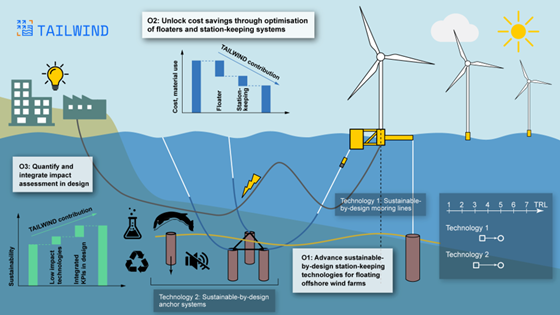
TAILWIND embraces sustainable-by-design principles to shape the next generation of floating offshore wind (FOW) farms.
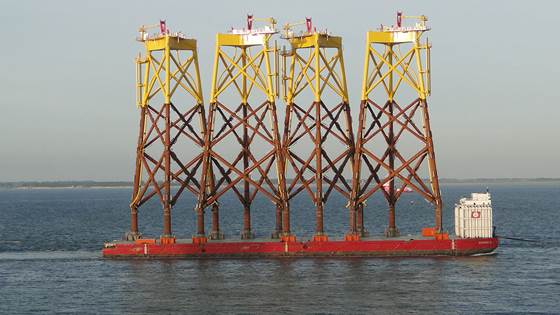
The WINDRISE project will bring together leading Norwegian players in the value chain for sustainable and scaled-up production, transport and installation of fixed offshore wind substructures.
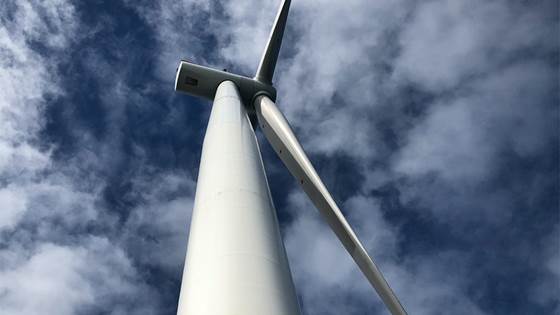
NYMOOR will enable design and use of nylon mooring systems for floating wind turbines, reducing material and resource requirements and enabling novel mooring solutions.
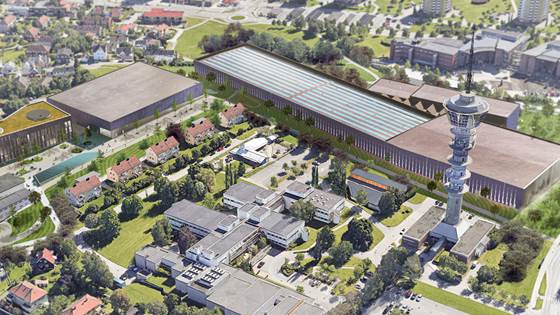
The centre will become the national knowledge centre for ocean space technology. The purpose of The Norwegian Ocean Technology Centre is to secure Norway’s position as a leading ocean nation and contribute to the green shift in Norwegian ocean...
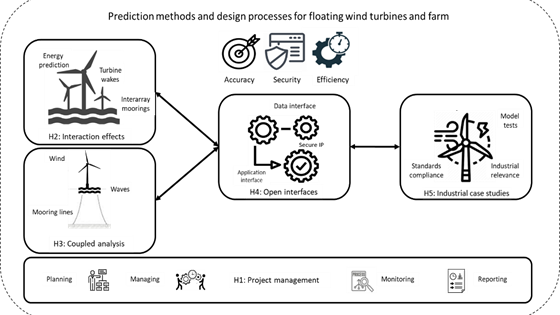
ImproveFLOW's goal is to facilitate more cost-effective design of floating wind units and farms by developing methods and tools for coupled analysis of wind, wave, current and mooring forces on wind turbines and floaters, as well calculation of...
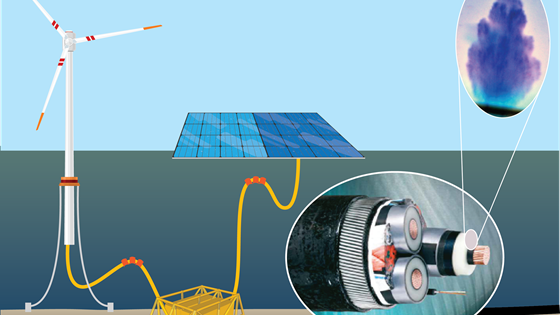
Nexans Norway, together with research partners, aim to develop the next generation lead-free power cables. In the FutureCaRe project, we will perform testing and develop modelling tools to secure high reliability and long lifetime of lead-free “wet...
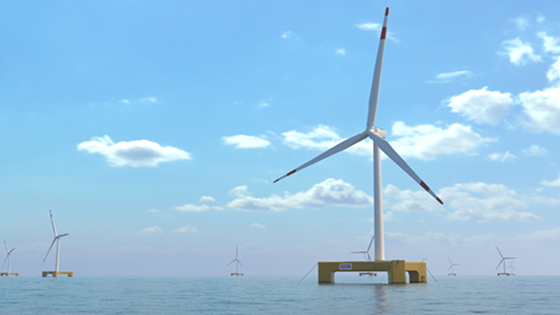
This project aims to conduct a mooring optimization study for a floating wind turbine comprising the Tri-Floater from NOV GustoMSC with the 15 MW NREL Reference Turbine.
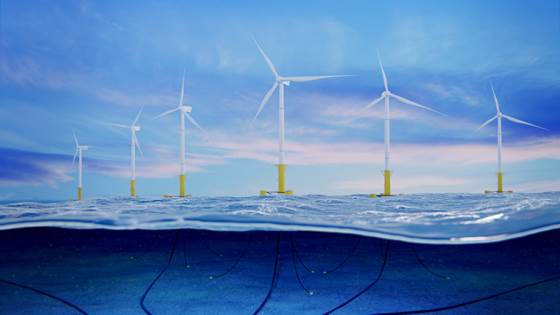
SFI BLUES is a research-based innovation centre enabling Norwegian industry to create new types of floating structures which satisfy the needs and requirements from renewable energy, aquaculture and coastal infrastructure.
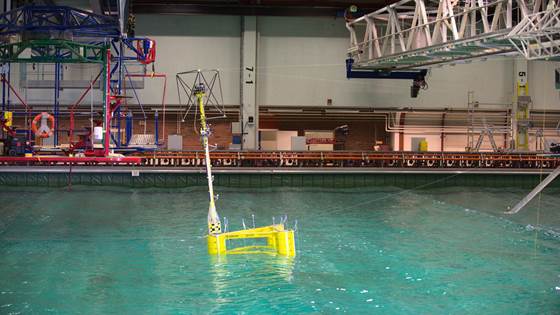
Advanced Wave and Wind Load Models for Floating Wind Turbine.
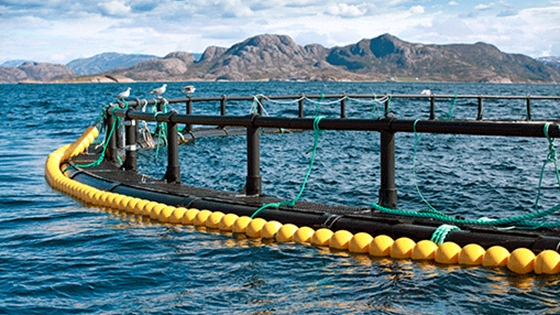
Aquaculture operations with reliable flexible shielding technologies for prevention of infestation in offshore and coastal areas.
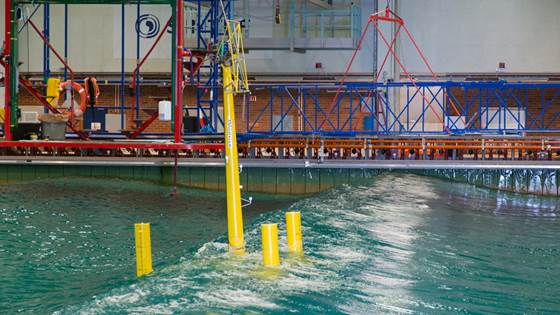
Real-Time Hybrid Model Testing is the science of combining advanced simulations, state-of-the-art experimental methods with active control system into a novel approach, to verify the safety and efficiency of marine structures and operations.
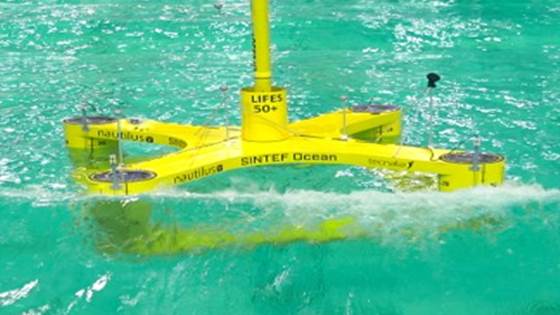
Innovative floating offshore wind energy. Qualification of innovative floating substructures for 10MW wind turbines and water depths greater than 50m.
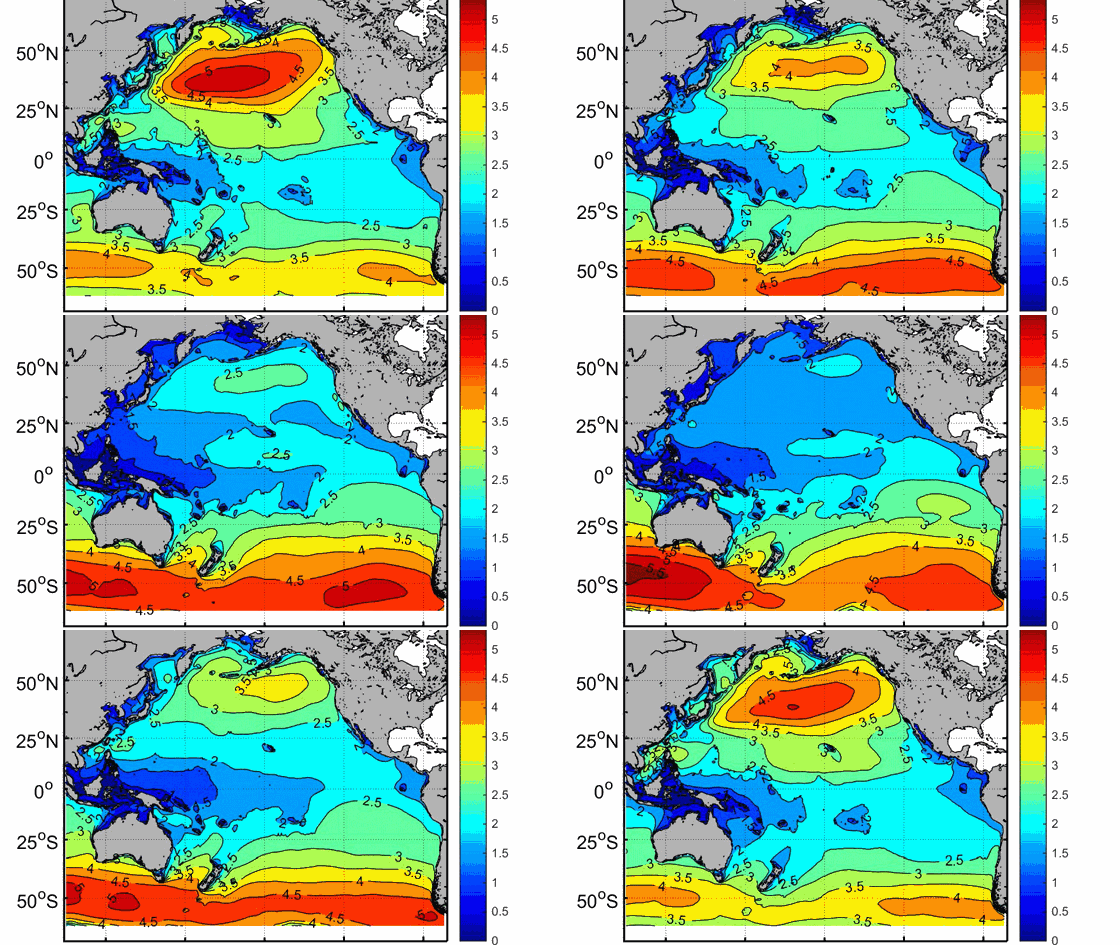
The primary objective of HDwave is to improve the knowledge of future wave climate and to assess the impact of future changes on maritime infrastructure.
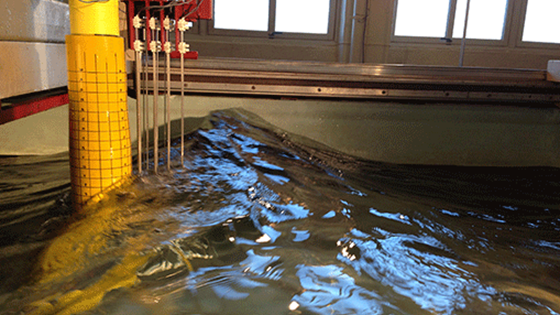
SINTEF has been heavily involved in both the pre-design and design phases of the Dudgeon wind farm in waters to the east of the UK.