
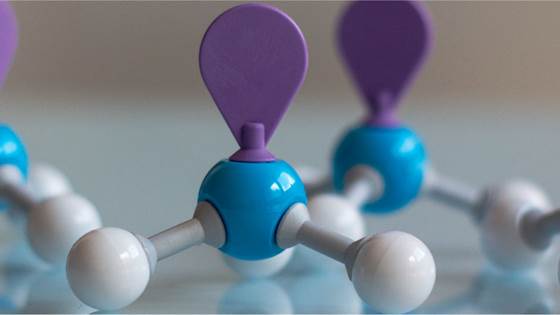
Ammonia
Ammonia is increasingly being considered as a promising zero-emission alternative fuel for decarbonising the maritime sector.

The disciplines we mainly use are thermodynamics, fluid mechanics, analysis and optimisation of energy processes, energy systems, and value chain analysis. We are about 70 researchers distributed across five research groups: Mobility, Energy Processes, Process Technology, Fluid Phenomena, and Thermodynamics.
We focus on how solutions for the energy transition affect climate and nature, as well as opportunities and risks linked to the development and use of artificial intelligence within our priority areas.
We build knowledge through laboratory work, numerical methods and models, and analysis. The interaction between these approaches forms the basis for new solutions for our customers, while also addressing society’s needs. This is sustainability in practice.
The department develops and leads large R&D projects based on our priority research areas. We lead major national and European projects such as gigaCCS and HYDROGENi, which are Centres for Environment-friendly Energy Research (FME). We are also partners in the FME centres MarTrans and InterPlay. In addition, we lead the petroleum centre LowEmission. Within the EU framework programme, we coordinate the projects ACCSESS, H2GLASS, and COREu. We have extensive research infrastructure, both digital (for example ThermoPack and EnergyModelsX) and physical facilities within CCS, hydrogen, and ammonia. We also have equipment for testing heat exchangers.
The department is located at Kolbjørn Hejes vei 1D and Sem Sælands vei 11.
Employees in the Department Energy Transition
Ammonia is increasingly being considered as a promising zero-emission alternative fuel for decarbonising the maritime sector.
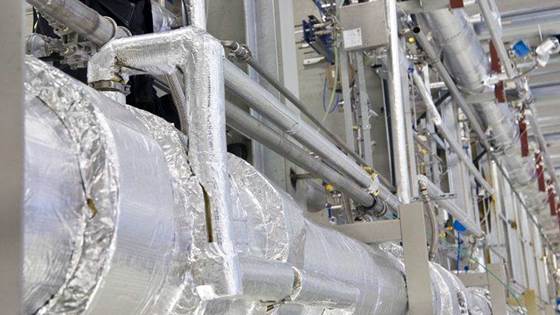
For decades, SINTEF has closely collaborated with the industry on a wide range of technologies to develop solutions for carbon capture, storage, and utilization, thereby contributing to significant reductions in greenhouse gas emissions.

SINTEF creates forward-looking and innovative solutions for energy efficiency in industry – because the greenest energy is the energy you never use.
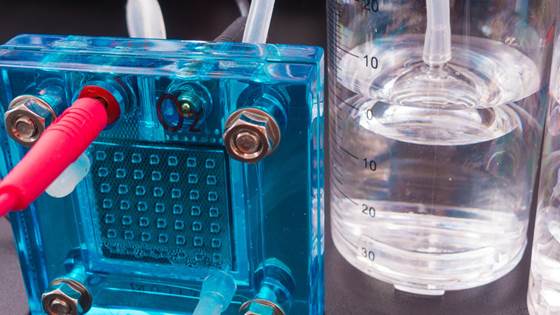
As a fuel, hydrogen is powerful enough to launch NASA’s space shuttles. It is also extremely environmentally friendly, as the only emission it produces when burned is water.

If we are to succeed with limiting the increase in global temperatures to 1.5°C, we need to remove greenhouse gases from the atmosphere.

We participate in developing future transport systems.