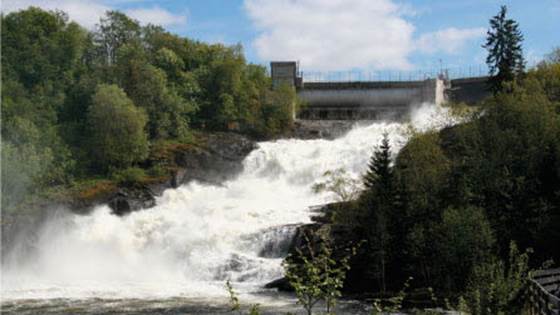
Future hydropower design – HydroPEAK
Tinfos power plant; hydropower reservoirs in Norway represent a great potential for a future European power system.
Tinfos power plant; hydropower reservoirs in Norway represent a great potential for a future European power system.

Young people affected by cancer are dependent on help and follow-up from various health and welfare services over a long periode of time, both during and after cancer treatment. This group is particularly vulnerable as they are often in a phase of...

GOVREP will produce policy recommendations for sustainable electricity production.
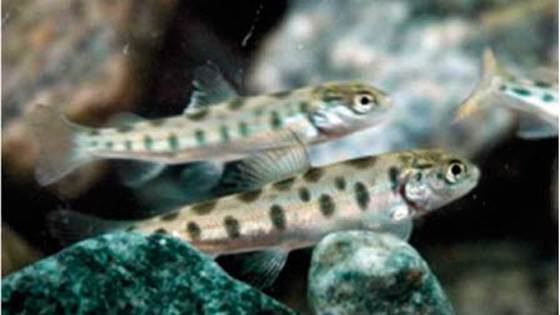
More salmon can grow up with small adaptions in hydro power technology and operation.
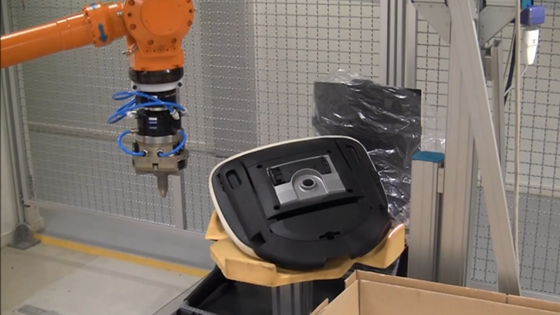
NextGenRob aims to develop the next generation robotic technology for Norwegian industry. The project spans five years, is led by SINTEF ICT and has the following partners: Statoil, Norsk Hydro, Tronrud Engineering, Glen Dimplex Nordic, Scandinavian...
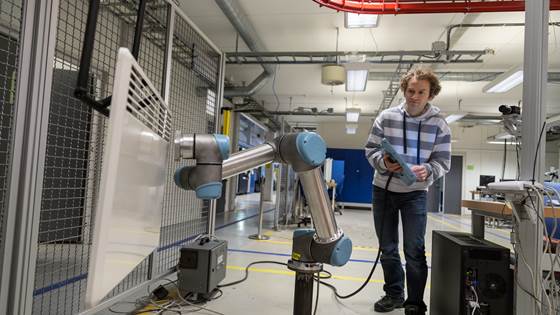
NEXTGENROB is a 5-year research program aiming to develop new competence and knowledge in next-generation robotics for Norwegian industry. The project is led by SINTEF ICT and is funded with support from the Research Council of Norway and from the...
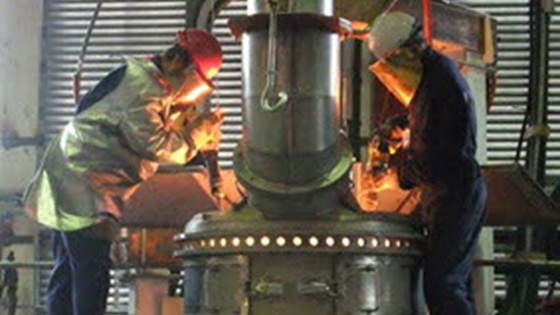
NOx is a generic term for nitrogen oxides (NO and NO2) formed in combustion processes. The main contribution is emitted from shipping and road traffic, but also from land-based industries such as Ferroalloy industry. The ferrosilicon industry is in...
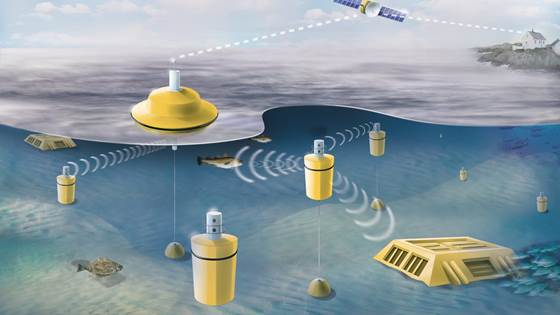
Environmental monitoring is a key element in sustainable exploitation of marine resources. The environment is under pressure from e.g. shipping and offshore oil and gas activities, and there is a large need for improved methods for monitoring and...

Aquaculture is still facing a number of bottlenecks. To further develop aquaculture, the major bottlenecks need to be systematically removed. At the production level, unpredictable larval survival and larval/juvenile quality and robustness are major...
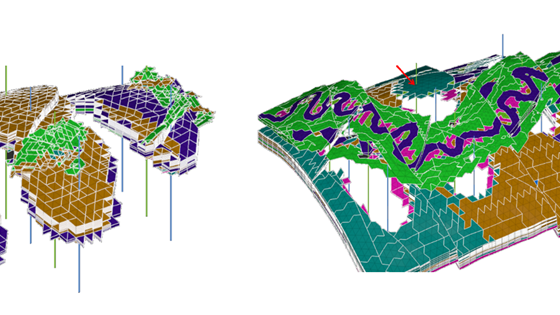
To optimize hydrocarbon reservoir recovery, understanding and predicting flow and transport processes is crucial. Geo-cellular models, representing complex rock formations, often contain millions of cells, requiring hours for simulation. To expedite...
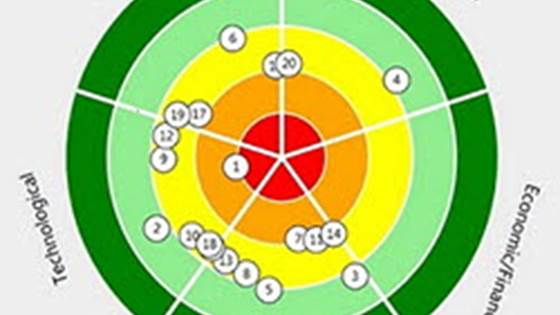
Early Recognition, Monitoring and Integrated Management of Emerging, New Technology Related, Risks The project deals with management of emerging (new technology related) risks, e.g. related to nanotechnology. The goal has been to develop an agreed...

SPatial Deployment of offshore WIND Energy in Europe.

Women in the 20-24-year-old age range have the highest rate of abortions in Norway. In order to determine whether free hormone-based contraception changes contraception habits and abortion rates among women in this age group, the Directorate of...
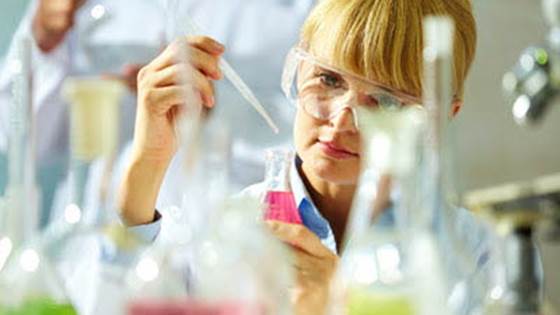
SkinTreat main objective is to realize the promise of customized remedy in the context of managing skin syndromes. The consortium intends to develop and validate nano-chemical and bio- technologies to achieve an accurate match between drugs, drug...
The project aims at developing new types of sustainable composite materials for a wide range of applications and has the ambition to integrate today’s large enterprises on the raw material and end-use sides. (e.g. pulp mills and packaging...
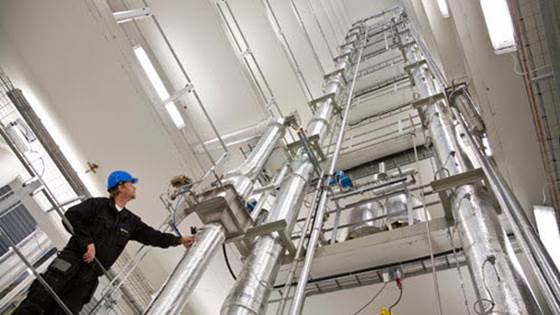
SOLVit - is an eight-year research and development program funded by Gasnova and the Norwegian industrial company Aker Clean Carbon - who is also coordinator.

The project MUST aims at providing new technologies based on active multi-level protective systems for future vehicle materials. “Smart” release nanocontainers will be developed and incorporated in commercial paints, lacquers and adhesive systems to...
In this project, SINTEF and NTNU will build competence and contribute to the further development of PEM water electrolysis technology with respect to cost and durability