HYPER
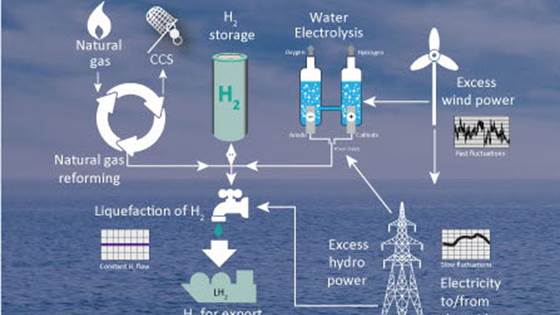
Liquefied hydrogen production from surplus wind/hydro power and fossil sources in Norway
Liquefied hydrogen production from surplus wind/hydro power and fossil sources in Norway
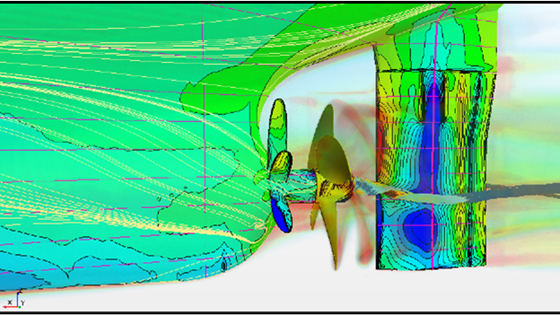
Design Considerations and Performance Evaluation of Energy Saving Devices for Deep-Sea Vessels towards Green Shipping.

Air quality monitoring inside the ISS (International Space Station).
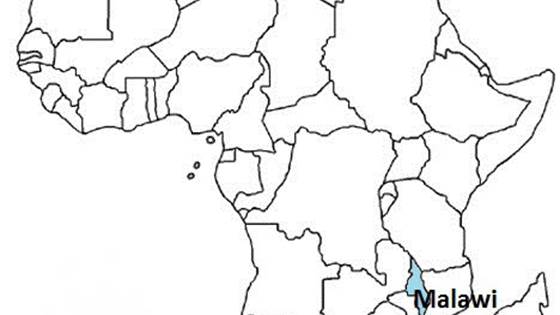
The overall objective of the study is to develop a model which can be used to identify the most important barriers to access to health services in poor resource contexts in southern Africa. The tool combines perceived access to health services with...
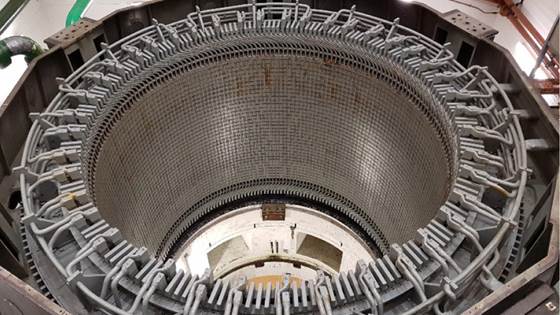
Stator winding insulation is the part of the hydrogenerator experiencing the highest number and the most damaging failures followed by long down times, costly repairs and large economic losses due to interrupted generation.

SINTEF will conduct a knowledge review of economic evaluations of technical aids for people with disabilities. Moreover, we bill carry out a survey to describe the work of evaluations within the current aid system, both at the state and municipal...
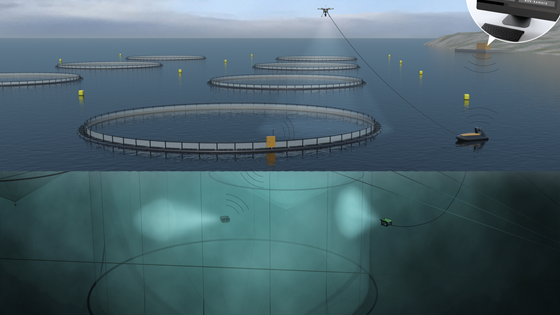
The Artifex project explored new ways of executing operations at fish farms by combing remote control, unmanned surface vehicles, unmanned subsea robots and unmanned aerial vehicles.
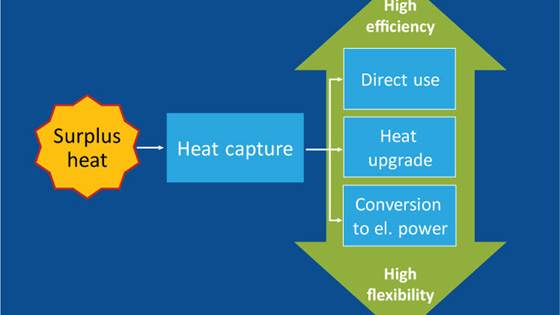
In lack of competitive options, vast amounts of industrial surplus heat are dumped to the ambient all over the globe.
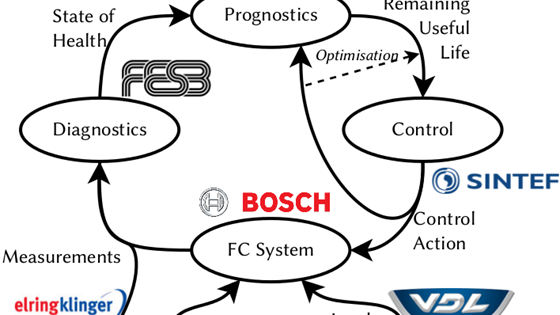
Giantleap aims to increase lifetime and reliability of fuel cells in buses
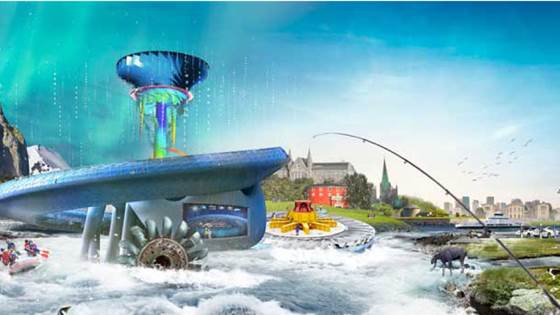
HydroCen is a research center for renewable energy.
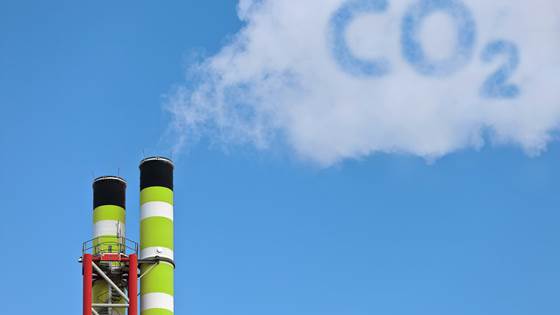
The primary objective of the POLYMEM project is to reduce the costs, energy and environmental impact of CO2 capture compared with existing technologies by developing and implementing the "next generation" polymeric membranes.
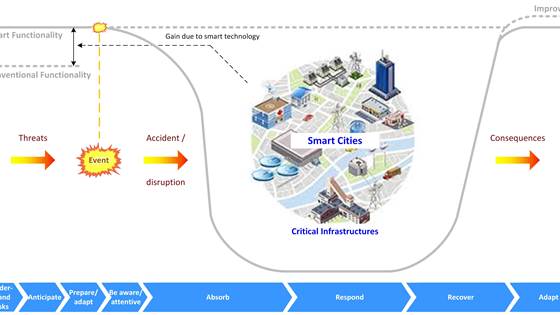
The integration of ICT solutions in critical infrastructures is making societies increasingly "smarter" (e.g. smart cities, smart grids and smart transport). This presents both opportunities and risks. This is the starting point of SmartResilience...
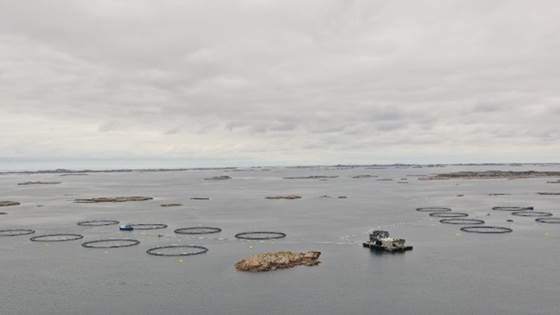
Abundance and distribution of sea lice larvae in relation to the three-dimensional current flow patterns around and within salmon farms.
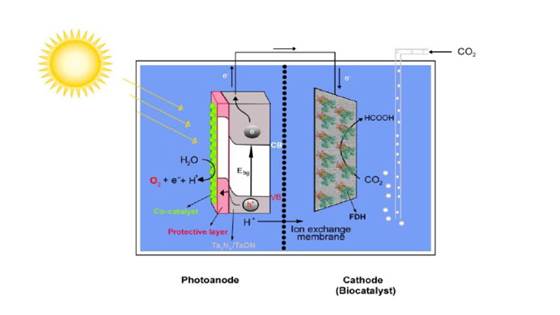
The main objective of CO2BioPEC is to demonstrate a bio-hybrid photoelectrochemical cell, in which solar energy is efficiently captured and at the same time, CO2 is converted to energy-rich compounds in the presence of formate dehydrogenase enzymes...

This project is helping the municipality of Stjørdal with deciding how many new flats for assistant living they shall build in the near future and how they shall be designed.
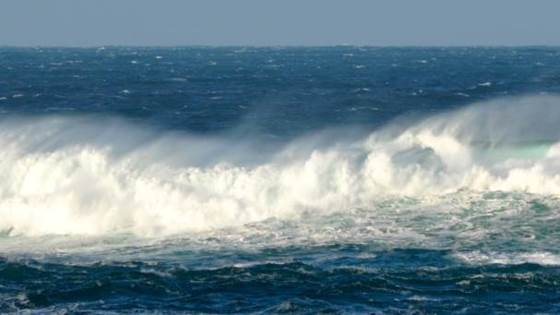
It is important to predict the drift trajectories of oil spills, ice bergs, and other floating objects to protect the marine environment and for safe offshore operations.
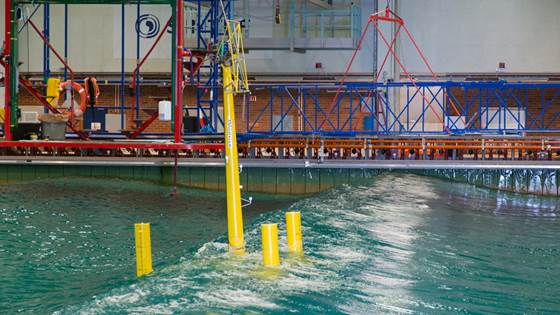
Real-Time Hybrid Model Testing is the science of combining advanced simulations, state-of-the-art experimental methods with active control system into a novel approach, to verify the safety and efficiency of marine structures and operations.
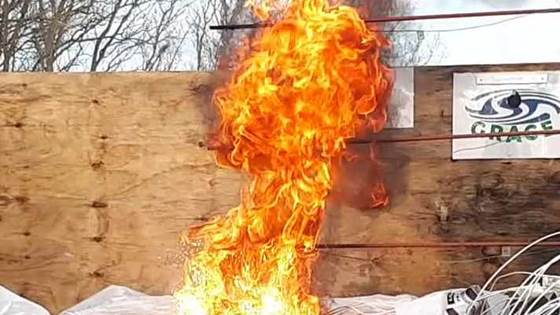
Oil spill response is more challenging in cold climate condition. The project develops and evaluates the effectiveness and environmental effects of different response methods in cold climate with the aim to develop a strategic tool for oil spill...