CleanOFF Hub
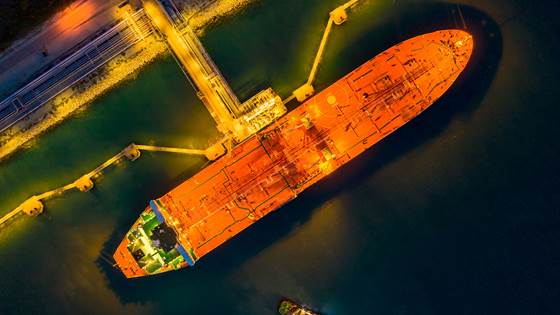
The project addresses Norway's ambition to decarbonise the offshore petroleum sector while retaining its international competitiveness.
CO2SMOS aims to develop cost-effective routes to produce high added-value bio-based chemicals from bio-based industrial CO2 emissions and renewable energy sources (green H2 and biomass).
The aim of the project is to contribute to the further development of a Virtual Reality (VR) system for virtual workshops that enhances collaboration, creativity, and ideation at work.
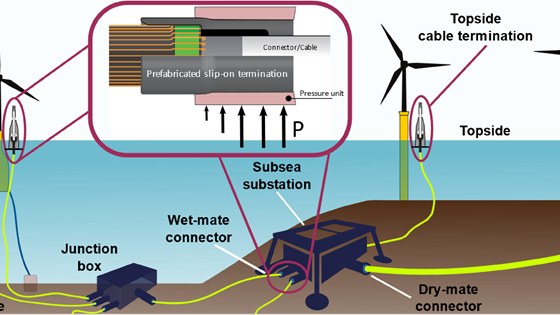
In DeMoKab, the objective is to investigate how the insulation materials currently used in high-voltage direct current (HVDC) cables withstand temporary overvoltages that may occur in future power grids.
The goal of DIGITAL TWIN is to develop modelling software necessary to design a digital twin for an offshore bottoming cycle with respect to optimizing its operational efficiency and reliability.
Fish on their downstream migration in rivers often encounter hydropower dams and intakes and tend to follow the main flow into the turbines where they may be injured or killed. While fine-meshed racks with a bypass can prevent fish from entering...
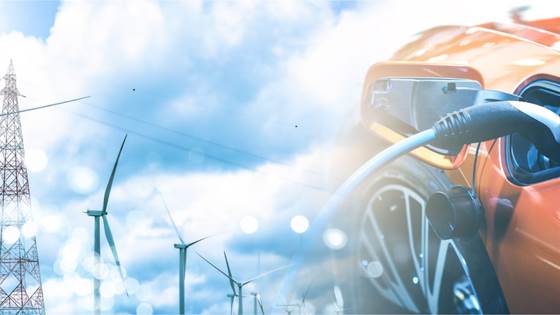
FME NorthWind (Norwegian Research Centre on Wind Energy) will bring forward outstanding research and innovation to create jobs and grow exports, and to facilitate the sustainable development of wind power.
Emissions from petroleum production stand for over 25% of Norway's total CO2 emissions, and these must be significantly reduced for the country to reach its ambitions in the Paris Agreement.
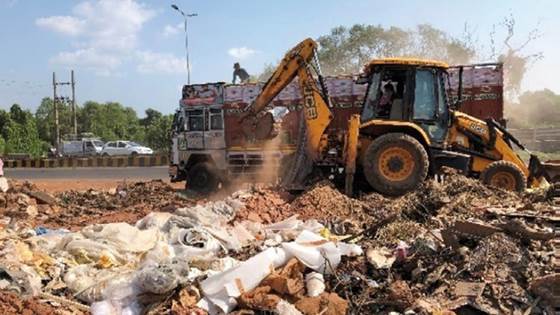
The production of photovoltaic modules generates significant resource flows, much of which currently becomes waste, including silicon kerf, graphite, and silica from ingot production.
Carbon Capture and Storage (CCS) is seen as a promising technology to meet climate goals. In a not-so-distant future, the CCS clusters consisting of different CO2 sources with large variations in flow rates, operating conditions, and impurity content...
NCS C+ aims to develop four climate-positive technologies that will help increase the pace of the green transition and remove large volumes of carbon dioxide and methane from the atmosphere.
Gas insulated switchgear (GIS) are essential parts of a safe, robust, and flexible energy system.
Automotive car makers increasingly use light-weight aluminium structures to reduce the environmental footprint of cars during life-of-use (lower energy consumption) and to allow for the heavy batteries used in electric vehicles.
The project delivers a 5G cyber-range platform empowered with tools for risk assessment, attack simulation, evaluation, and demonstration of defensive solutions for NGCC. The project includes a Norwegian mobile operator, authorities responsible for...
Joints in high-voltage overhead lines are critical components that, if they fail, can lead to line breaks and power outages.
The primary objective of the project is to train future stakeholders of Smart and Sustainable Cities to work with urban socioenvironmental interactions in the era of climate change.
The ISESAP project develops a new fire alarm platform that combines digitized services with the strict security and safety requirements applicable to such systems.
REVEAL focuses on studying how small microplastic (sMP; <100µm) and nanoplastic (NP; <1µm) particles are formed through the degradation of larger plastic items, and how these particles behave as they are transported from freshwater, through coastal...