PRIMED
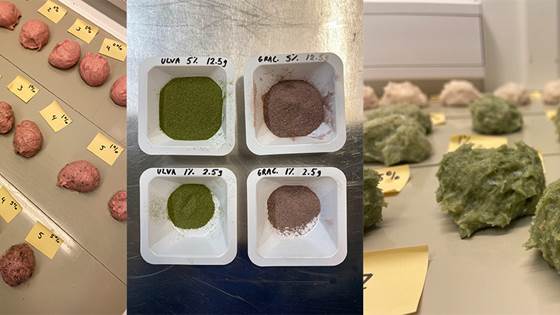
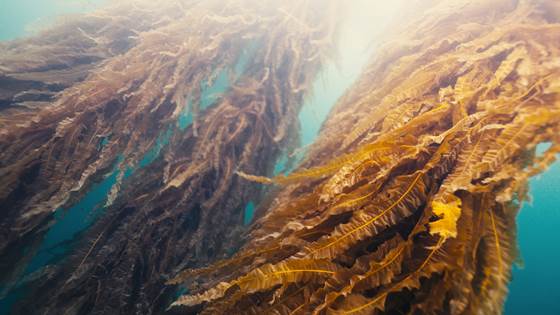
Redesigning the Primary Sector for Maximizing Bioeconomy Development
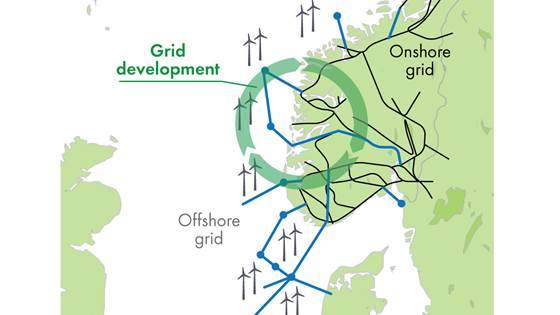
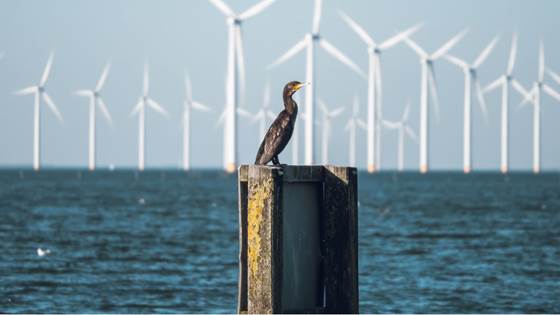
The main goal of the project is to develop methods and tools for forecasting future load requirements at an aggregated level (regional and transmission grid) for up to 20 years ahead.
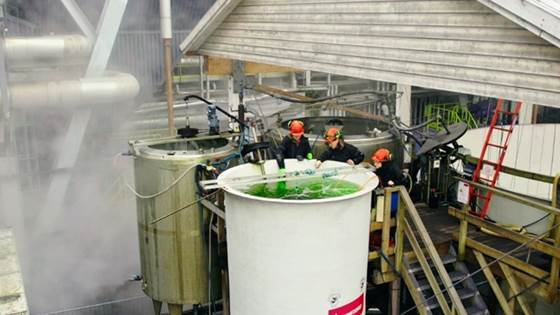
A rEVOLUTIONary approach for maximising process water REuse and REsource REcovery through a smart, circular and integrated solution
The project targets R&D challenges to the industrialisation of additive manufacturing (AM) technology for composite parts containing either short or continuous fibre-reinforced thermoplastics.
ReHydro will introduce a new paradigm to boost European leadership and competitiveness in the hydropower industry and provide new sustainable solutions that are replicable at European and global levels.
Medium-voltage gas-insulated switches are crucial for the safety and operation of power grids, but many current solutions, which use SF6 gas and PFAS materials, pose significant environmental risks
Improve occupational health and safety conditions within the ship recycling industry. By leveraging state-of-the-art robotics, computer vision, and artificial intelligence systems, we aspire to revolutionize traditional methodologies while promoting...
EO mining platform
Increased understanding of wetting processes in oil reservoirs is crucial for optimising operational decisions in oil recovery.
Industial-Urban Symbiosis, digitalization, and cross-sector innovation are key drivers for resource efficiency, climate neutrality and sustainable regional development. THESEUS brings together industries, cities and R&D to develop scalable circular...
The goal of the UltraDry project is to make the current production of Li-ion batteries more sustainable by developing knowledge on dry processing of battery electrodes, a novel, energy-efficient process that avoids the use of harmful solvents, as...
Development of sustainable technology that converts fish waste into valuable products, while reducing food waste and increasing green value creation.
Advancing scalable technology for hydrogen production
Provide the knowledge needed to reduce fossil CO2 emissions from Norwegian Ferroalloy and Si-production industry with 40% within 2030 by substituting fossil carbon with biocarbon.
Evaluation of National care pathways in Child welfare service will provide knowledge about whether, and how, the care pathway contributes so that more children and young people in Child welfare service receiving the necessary health care.
The SENSATION project will develop a sorbent-based carbon capture technology tailored for low CO2 concentrations, varying from 400 ppm in air (Direct Air Capture) to 1-3 vol % for industrial sources.
Through a multi-year research project, SINTEF researchers aim to generate new knowledge about the work environment and working conditions for employees in Norway.
The WAge project will develop and validate the first comprehensive framework for assessing and understanding the roles and interactions between physical and psychosocial risk factors across age groups through robust modelling and policy-relevant...