
TRACE - Transport Research Centre for Nature, Environment and Land Use
TRACE develops knowledge and methods for the sustainable development of the transport sector.
TRACE develops knowledge and methods for the sustainable development of the transport sector.
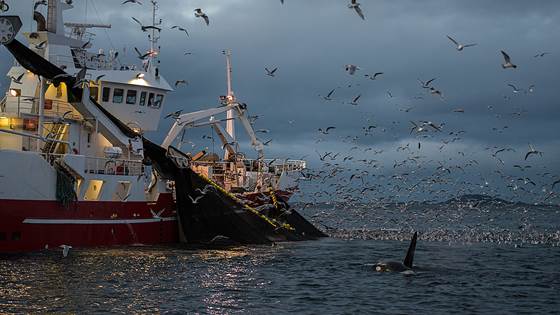
In MarineGuardian, the goal is to develop more sustainable fishing practices by promoting innovative fishing gear and technologies.
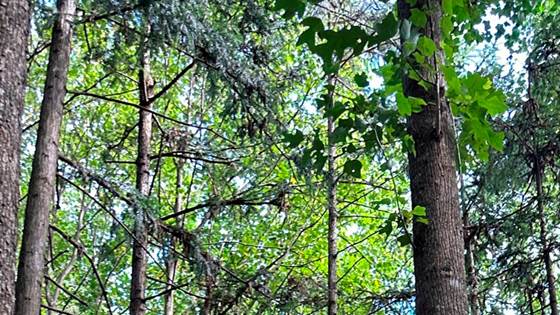
BioClima project is a groundbreaking joint EU-China collaboration initiative that enhances how we monitor biodiversity and climate change by combining artificial intelligence with ground-based and satellite data.
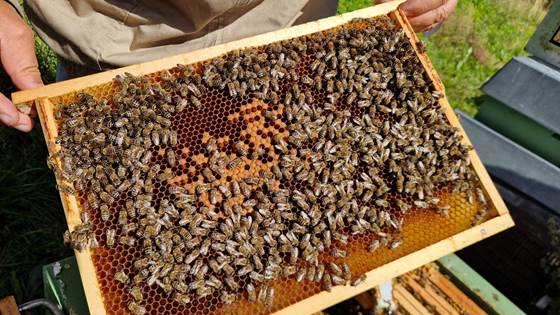
Beefutures, SINTEF and NINA are joining forces to gain insight into bee decline and environmental stressors impacting ecosystem health and biodiversity.

Land use and planning for infrastructure and nature
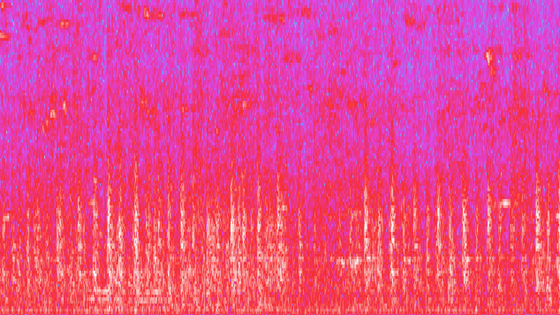
Norsonic AS, SINTEF and NINA are launching a new project aimed at advancing AI’s ability to understand and recognize of sound. The project is called ROaR (Robust Acoustic Recognition) and is funded by Norsonic AS and the Research Council of Norway.

This is a knowledge base for developing regional policy that will support fisheries, aquaculture, agriculture, forestry and reindeer herding in accessing adequate land and sea space for future development. The report deals with change in land use and...
The main objective of COMPAS is to develop a compact, inexpensive, and ultrasensitive PIC sensing platform (PSP) for air and water monitoring, relying on the co-integration of light source, detectors, and electronic IC for on-chip signal processing.

This project sheds light on the development in agriculture and related industries in 71 Norwegian municipalities situated in mountainous areas between 2015 and 2023. The findings are compared to the development in agriculture in Northern Norway and...

A novel further-education concept where micro-credentials at university level tailored to the needs of regional, bio-based industries. The courses offered provide insight into circular bioeconomy and sustainability transitions and their impact on...
Building the biodiversity component of the Digital Twin of the Ocean
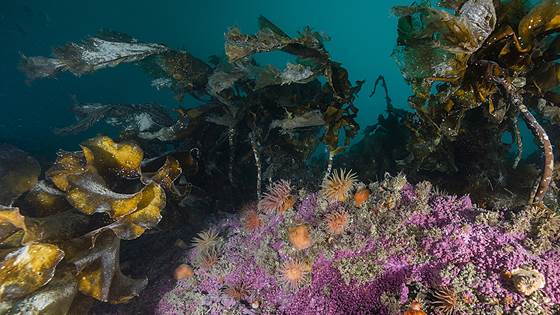
The collaborative project AMBIOS aims to develop the world's first fully autonomous platform for multi-layer mapping of biodiversity in the marine space and validate it on selected use cases in Mid-Norway.

BlueMissionBANOS lighthouse inspires, engages and supports stakeholders across the Baltic and North Sea to reach a carbon-neutral & circular blue economy.

The primary objective is to examine causes and impacts from changes in outfield grazing and summer dairy farming and suggest how to maintain and support sustainable practices.
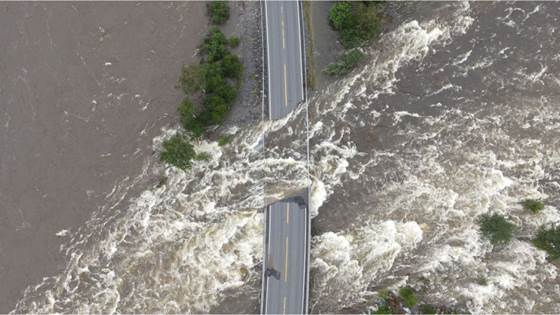
Precipitation and temperature will change in future climates, presenting new challenges and opportunities for Norwegian hydropower. We anticipate an increase in the frequency, duration, and severity of extreme events such as floods, droughts, and...
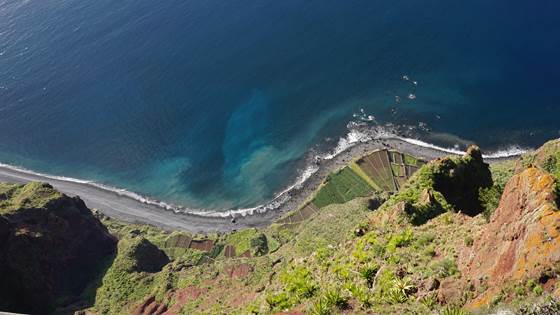
CLIMAREST is an EU-funded research project consisting of 18 partners from along the length of the European coastline. The project belongs to the EU Mission Restore our Ocean and Waters, and is a member of the Lighthouse for the Arctic and Atlantic...
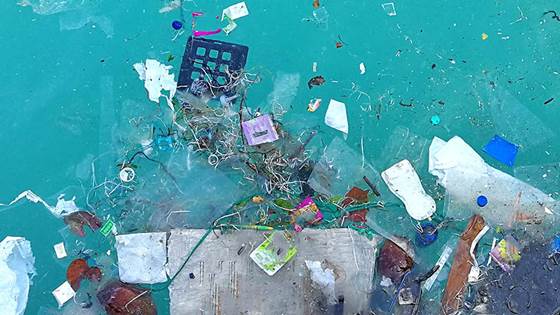
The EU funded project Source to Seas - Zero Pollution 2030 seeks to guide the process towards Achieving Zero Pollution in European Seas
Extractive industries, including refractory raw material production, are responsible for a significant part of the world’s carbon emissions and has a strong impact on the loss of biodiversity. Establishing a circular economy and developing an...