
Flex2future model tests
Developing resilient offshore renewable energy systems combining wave, wind and solar power to deliver low-cost clean electricity and support the green transition.
Developing resilient offshore renewable energy systems combining wave, wind and solar power to deliver low-cost clean electricity and support the green transition.

Phase 1 aims to cut FOWT towing costs by reducing conservatism through better knowledge, validated methods, and a guideline for safe, efficient operations.

Model and reduce the uncertainties in lifetime prediction of marine risers based on targeted probability levels using probablistic and multi-fidelity modelling relying on measurement data.
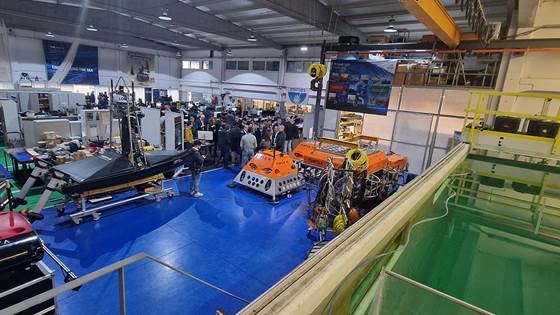
INESCTEC.OCEAN is a Portuguese Centre of Excellence addressing marine structures, marine robotics, ocean energy and ocean data, with SINTEF OCEAN as strategic partner.
OptiFLEX will investigate the interaction between very large rotors (>20MW), towers and the floater supporting them, to precisely understand vibrations, mitigate fatigue and avoid failure.
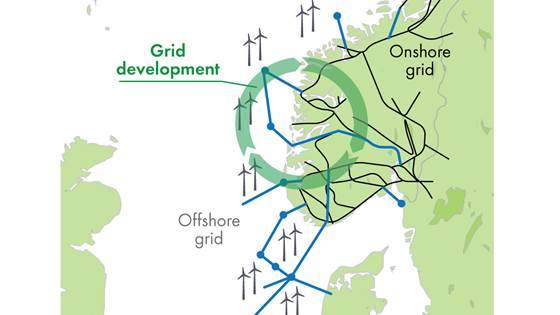
The DeCOOP project develops methods and models to plan coupled offshore and onshore power grids that are robust and cost-efficient and that enables large-scale offshore wind integration.
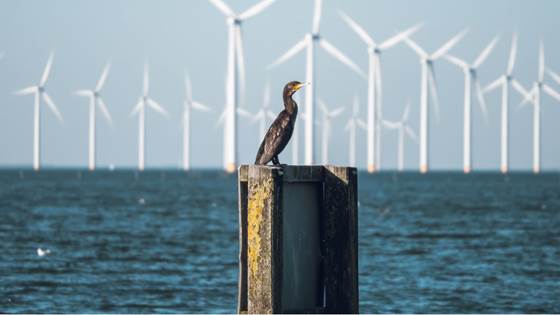
Expanding wind power generation will help meet net-zero emission targets, but this expansion must be done in a way that minimises harm to wildlife.
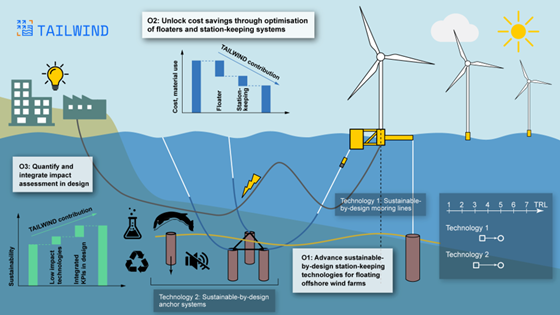
TAILWIND embraces sustainable-by-design principles to shape the next generation of floating offshore wind (FOW) farms.
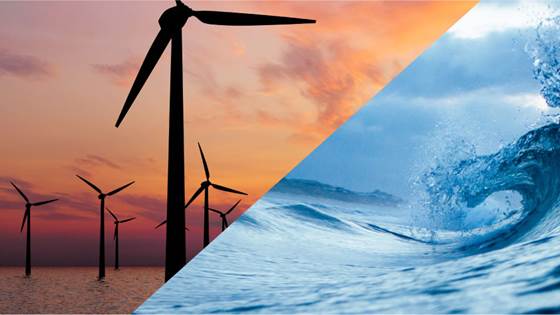
The MARINERG-i Distributed Research Infrastructure (DRI) unites and consolidates the EU Offshore Renewable Energy (ORE) testing facilities to accelerate development and realise the potential of this sector.
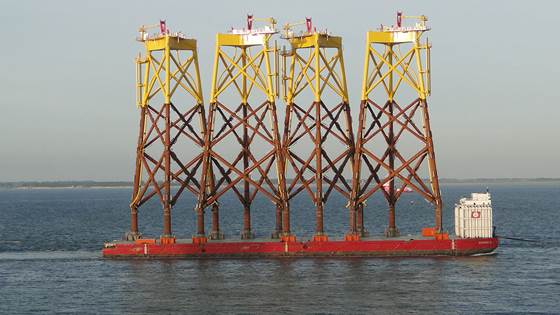
The WINDRISE project will bring together leading Norwegian players in the value chain for sustainable and scaled-up production, transport and installation of fixed offshore wind substructures.
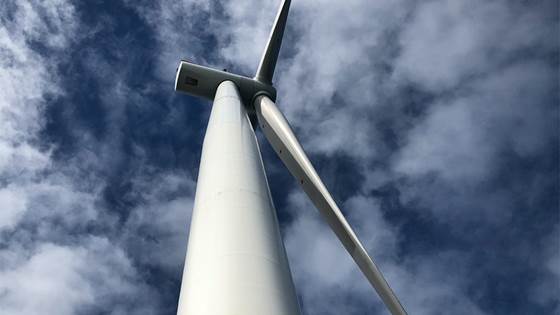
NYMOOR will enable design and use of nylon mooring systems for floating wind turbines, reducing material and resource requirements and enabling novel mooring solutions.
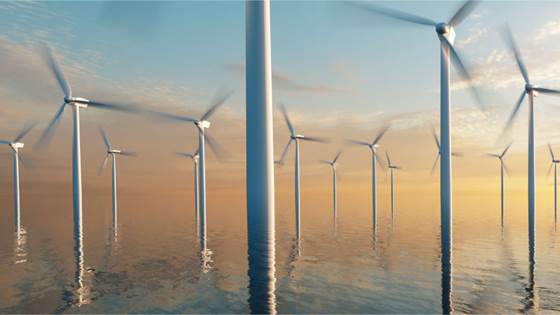
Wholistic and integrated digital tools for extended lifetime and profitability of offshore wind farms
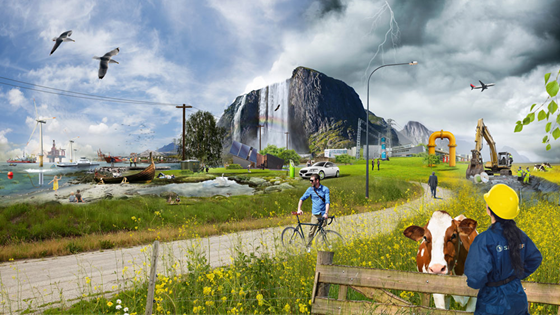
The EnerSea project aims to map the Norwegian seafood industry's need for renewable energy up to 2040.
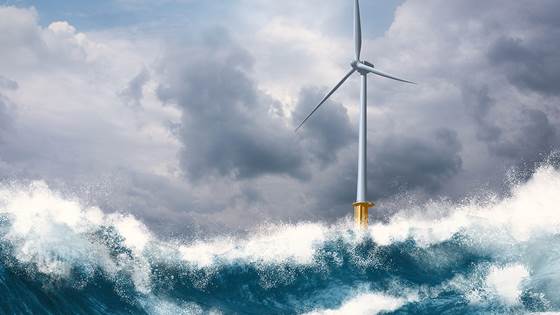
By merging competences of metocean, wave hydrodynamics, and structural dynamics, the B -WAVES-project will gain new knowledge on the extreme waves and wave loads that bottom fixed offshore wind turbines experience during its lifetime.
Securing the European green transition through research, business and government collaboration
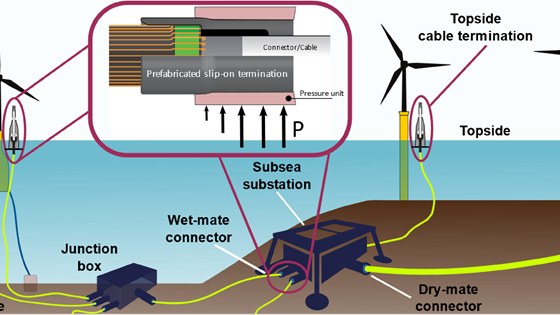
Tapping into Norwegian offshore territories for clean offshore wind power requires the massive deployment of subsea power transmission infrastructure to reliably transport the energy to shore with minimum losses.
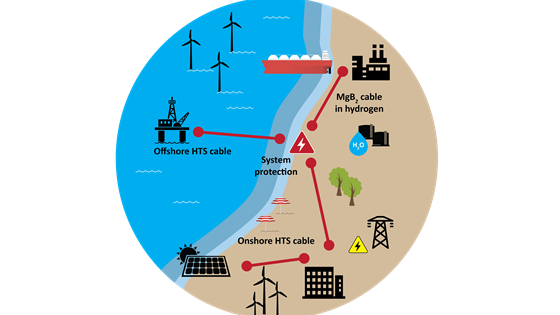
The EU project SCARLET (Superconducting cables for sustainable energy transition) develops and industrially manufactures superconducting cable systems at the gigawatt level, bringing them to the last qualification step before a commercial...
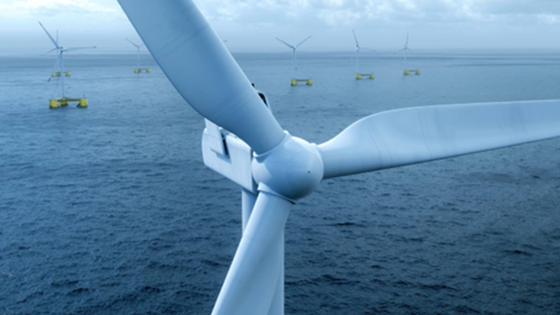
The main objective of the AdaPfab project is to develop a sustainable and cost-effective prefabrication process, enabling the mass production of offshore wind substructures.