
Automatic recognition of electrode defects based on optical microscopy images
We investigated the use of machine learning for automatic detection of defects in battery electrodes.
We investigated the use of machine learning for automatic detection of defects in battery electrodes.

BioBIVE has a goal to develop bio-based and bioactive delivery systems to control fungal plant pathogens of different horticultural crops decreasing fossil-based materials and pesticide use, minimizing environmental footprint.

CETP LEGACY develops tools and technologies for screening, modeling, monitoring, and mitigating well integrity issues and leaks.

The main objective of COMPAS is to develop a compact, inexpensive, and ultrasensitive PIC sensing platform (PSP) for air and water monitoring, relying on the co-integration of light source, detectors, and electronic IC for on-chip signal processing.
CO2 routes across Europe

Demonstrate and test a new Compact Once Through Steam Generator (COTSG) as a core component of offshore Combined Cycle Power Plants (CCPP)

DigiBatt will slingshot the European battery industry forward by using advanced digital technology to make battery testing faster, cheaper and more accurate. We will develop novel digital approaches to extract more value from fewer tests. This will...

ELOXYCHEM will establish a electrochemical oxidation process that will replace existing thermochemical processes that are reliant on imported materials such as nitric acid and imported fossil-fuels.

The goal is to design and demonstrate safe and effective connection of an emergency towing line for ships without an IMO requirement for onboard emergency towing system.

The project explores how large language models (LLMs) can be integrated into conversational AI for customer service in a safe, responsible, and user-friendly manner.

We will explore how social AI can enhance coping skills and quality of life for youth (16-20 years), while addressing privacy and misinformation, to provide concrete recommendations for improving digital support services.
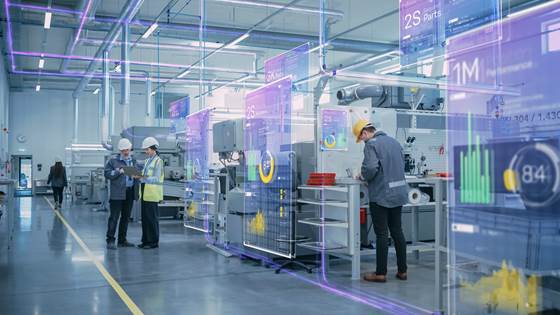
Industry is responsible for a large part of the global energy consumption and emissions. To help meet energy demands and reduce climate change, Extreme Efficiency aims to make industrial processes more energy efficient.

SINTEF's contribution to FAITH focuses on a large-scale pilot in wastewater treatment, conducted together with Veas, Norway's largest wastewater treatment facility. Here, the FAITH framework for trustworthy AI is applied and validated in the context...

The project develops new semiconductor components and condition monitoring for power electronics, aiming for higher efficiency, fewer failures and a smaller footprint, especially for offshore wind, and for more reliable and affordable electricity.

IPN Freki aims to develop a data-driven process for the pre-qualification of frequency containment reserves (FCR).

How can local food strengthen both preparedness and local communities? This project examines how farmers, municipalities, and the Armed Forces can collaborate to make greater use of locally and regionally produced food.

FUEL-UP aims to accelerate the deployment of advanced biofuels made from fast pyrolysis by de-risking and upscaling all the steps until fuel use. Allowing new routes to biofuels entering the market, which will mean an at least 80% emissions reduction...

How can a company like Kongsberg Automotive adopt lead-free materials in its connectors without compromising quality, sustainability, or competitiveness?