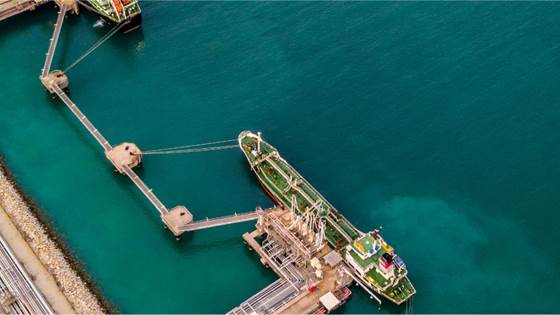
SafeAm – Increased safety of ammonia handling for maritime operations
Ammonia (NH3) has intrinsic risks due to toxicity and flammability.
Ammonia (NH3) has intrinsic risks due to toxicity and flammability.
The project will identify the global food industry needs, considering emerging processing technologies, such as high pressure processing, membrane processing, pulsed electric field and ultrasound.

The PlastiSpread project studies the role of the microbial community in biofilms associated with marine plastics, and how they are influenced by variations in urban WW discharges.
Providing methodology for tracing the origin of salmon lice larvae
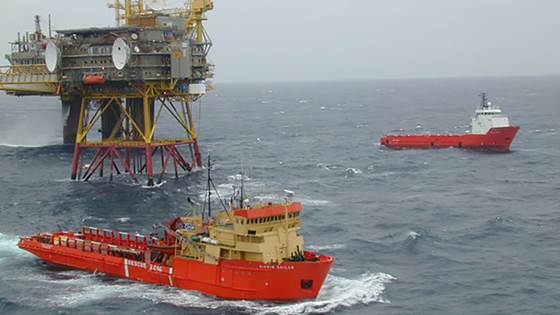
Operators on the NCS are in need for a common understanding and way forward towards future sustainable offshore logistics. Offshore support fleet is large, highly-specialised, but young, which will require slow but steady transition towards zero...
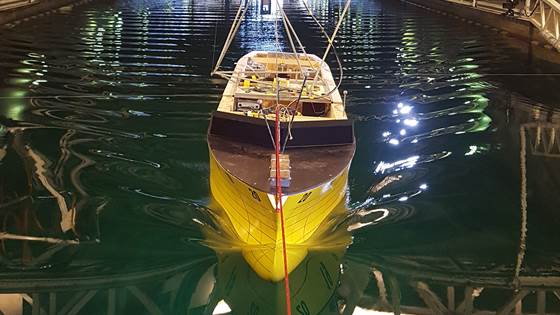
Generating knowledge and tools for studies of operational safety for adverse weather handling of low-powered ships.
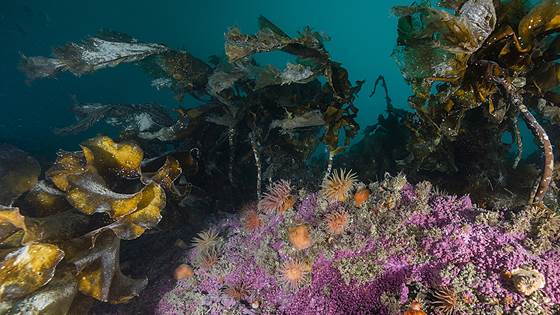
The collaborative project AMBIOS aims to develop the world's first fully autonomous platform for multi-layer mapping of biodiversity in the marine space and validate it on selected use cases in Mid-Norway.
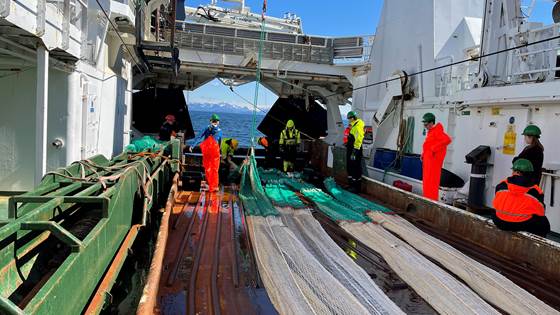
This project will provide knowledge and propose concrete and targeted preventive measures for reducing the risk of serious occupational accidents and work-related absences in the coastal fishing fleet.

Winter ulcers in farmed salmon lead to reduced welfare, mortalities, and downgrading. Can the risk of winter ulcers be reduced by improving risk assessment or crowding practices during handling?