
Flex2future model tests
Developing resilient offshore renewable energy systems combining wave, wind and solar power to deliver low-cost clean electricity and support the green transition.
Developing resilient offshore renewable energy systems combining wave, wind and solar power to deliver low-cost clean electricity and support the green transition.
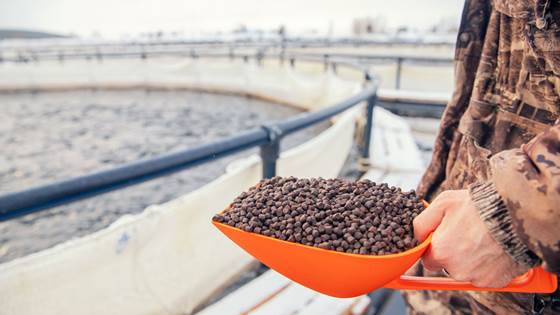
The goal is to analyse different areas of use for fish sludge, & provide a scientific decision support for identifying the most promising value chain from a resource & environment perspective.

Development of an energy efficient method for thermal energy storage using ice slurry in dairies, with a focus on reducing peak loads, optimising energy use and ensuring high product quality.
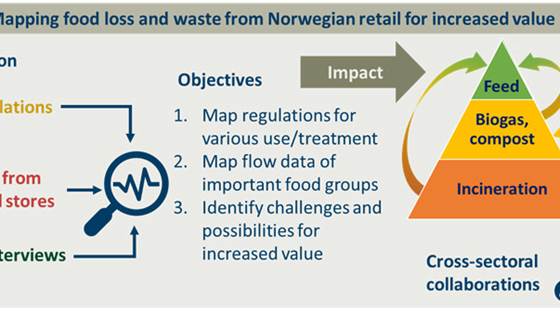
In this pilot project, food waste in Norwegian grocery stores will be mapped to highlight effective measures and assess opportunities for increasing the use of biogas and combustion for feed.
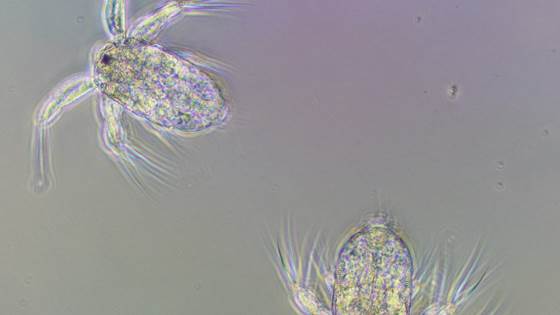
Selective breeding has proven a promising tool to increase the fecundity in copepods. In SEQOP, SINTEF, NOFIMA and CFEED will assess if selectively bred lines of Acartia tonsa also display genetic alterations.

This is a knowledge base for developing regional policy that will support fisheries, aquaculture, agriculture, forestry and reindeer herding in accessing adequate land and sea space for future development. The report deals with change in land use and...
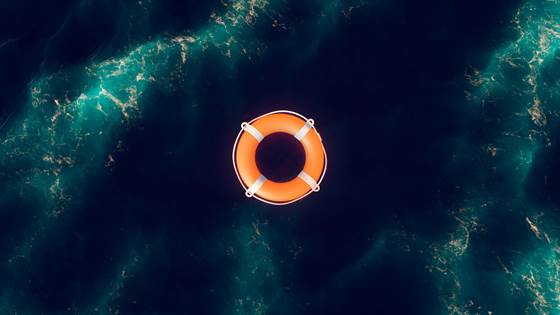
Interorganisational operations can pose increased risks to the health and safety of seafarers working on service vessels. Intersikk aims to identify measures to improve their working conditions.
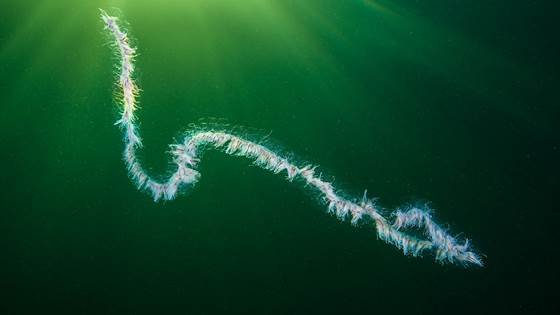
The JellySafe project (FHF/ 901941) aims to develop the tools and knowledge necessary to monitor, manage and mitigate the impacts of barbed-wire jellyfish (Apolemia spp.) on farmed salmon.
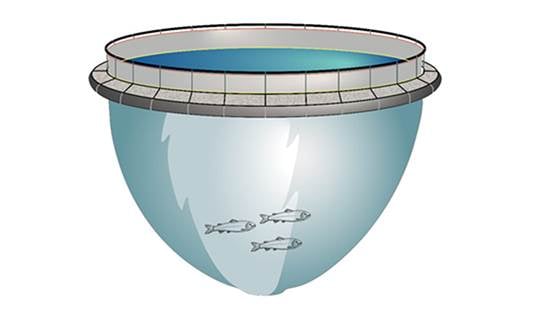
The BIOCLOSED project focuses on cage environments in commercial, closed cages in the sea, to ensure good fish welfare and fish health.