The UN Biodiversity Conference (COP17) in Yerevan, Armenia is the 17th Conference of the Parties to the UN Convention on Biological Diversity (CBD). The meeting brings together governments, researchers, businesses and civil society to assess progress towards the Kunming–Montreal Global Biodiversity Framework, including the target to conserve at least 30% of the world's land and sea areas by 2030.
SINTEF previously participated in COP15 in Montreal (2022) and COP16 in Cali (2024). Participation in COP17 is part of SINTEF's ongoing efforts to strengthen international scientific collaboration, identify emerging research needs and develop technologies and solutions that support global biodiversity goals.
SINTEF's participation is linked to its strategic research focus on biodiversity and area use and the new national research centre BlueNature, jointly led by SINTEF Ocean and the Norwegian Institute for Water Research (NIVA).
COP17 also provides opportunities to strengthen SINTEFs partnerships with Norwegian and international stakeholders working at the intersection of biodiversity related -governance, -research, -business and -technological innovation.
Meet SINTEF's participants at COP17
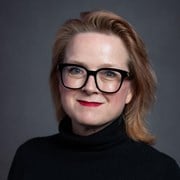
Rachel Haug Fossbakk is a Chief Scientist at SINTEF Ocean and Director of SINTEF's strategic research focus on biodiversity and area use, which aim is to strengthen the collaboration and expertise across SINTEF, connecting research on biodiversity, technology, land and sea use, and societal transformation.
Fossbakk specialises in international ocean governance, environmental policy and the relationships between scientific knowledge and political decision-making. She participated in both COP15 and COP16 and has contributed to international assessments through the Intergovernmental Science-Policy Platform on Biodiversity and Ecosystem Services (IPBES), specifically as Review Editor for the first chapter of the IPBES Business and Biodiversity Assessment, approved in February 2026. The assessment examines how businesses depend on and affect biodiversity, and how economic activities can contribute to halting and reversing biodiversity loss.
Fossbakk also leads work on on multi-level governance in BlueNature, a research centre that brings together 41 partners to develop knowledge and solutions for more sustainable and nature-positive development in Norwegian marine and coastal areas.
At COP17, Fossbakk focuses on gaining new insights on movements in the field of business and biodiversity, nature-positive innovation and emerging technologies for sustainable ocean management. A particular priority is exploring synergies between international environmental agreements, especially the Convention on Biological Diversity and the BBNJ Agreement. She will also engage with Norwegian and international stakeholders to strengthen collaboration between research institutions, public authorities and industry.
Ina Helene Ahlquist is a Research Scientist at SINTEF and a fellow in the ongoing IPBES methodological assessment on monitoring biodiversity and nature's contributions to people. Her work contributes to the international scientific knowledge base on biodiversity monitoring and how information about biodiversity and nature's contributions can support decision-making.
At COP17, Ahlquist is contributing to two scientific sessions:
23 October, 12:45–13:45 – IUCN Pavilion, Forum B
Jobs as Nature's Bridge: Linking Biodiversity and Climate to Employment Through the NCP Framework: The biodiversity and climate crises are also closely linked to employment, yet much of the work that sustains nature's contributions to people remains largely invisible. This session explores these connections and includes preliminary findings from a scientific paper being developed collaboratively by IPBES Fellows from different assessments.
The session will also be available online.
24 October, 12:00–13:30 – Academia & Research Organisations Hub, Blue Zone
Are Trade-Offs Inevitable? Navigating the Politics of Trade-Offs in Biodiversity and Climate Decision Making: Ahlquist will present a case study from Norwegian fisheries, examining how environmental protection, employment and community structures can pull policy in different directions. The presentation highlights how regulatory and enforcement decisions by public authorities influence which objectives ultimately take precedence.
Emily Christine Cowan is a Senior Research Scientist at SINTEF Ocean whose research focuses on plastic pollution, biodiversity and international environmental governance.
Cowan participated in biodiversity COP15 and COP16 and has attended all rounds of global negotiations towards an international legally binding instrument on plastic pollution.
Her research examines the links between plastic pollution, biodiversity and international environmental policy, including how scientific knowledge, competing interests and negotiation processes shape international environmental agreements.
At COP17, Cowan brings insights from the international plastics negotiations to discussions on biodiversity conservation and pollution, including potential synergies between the Convention on Biological Diversity and a future global agreement to end plastic pollution.
From COP17 to COP18
SINTEF's participation in COP17 is part of a broader effort to connect international biodiversity goals with practical solutions through scientific research, technological development and collaboration with industry.
On 4 December 2026, SINTEF will host its fourth annual symposium on biodiversity and business at the Britannia Hotel in Trondheim (in Norwegian). The symposium will bring together researchers, business representatives and public authorities to discuss how economic development can take place on nature's terms, drawing on insights from COP17 and the IPBES Business and Biodiversity Assessment.
Looking ahead, SINTEF aims to organise a dedicated session at COP18 in 2028, focusing on research, technology and nature-positive transformation, and the role of science and industry in implementing the Global Biodiversity Framework.