
Can the coffee of the future be roasted without fossil fuels?
Kjeldsberg Kaffebrenneri and SINTEF Energy Research are exploring the possibility of electrifying coffee production in Trondheim.
Kjeldsberg Kaffebrenneri and SINTEF Energy Research are exploring the possibility of electrifying coffee production in Trondheim.

The world will need far more air conditioners and heat pumps in the coming decades, and a new EU project led by SINTEF is building an open tool to help countries choose how to supply them without harmful fluorinated gases.

Tourists moving in unfamiliar surroundings, people following maps on their mobile phones, and distracted road users in general can easily overlook regular traffic signs. But the effect of a new type of sign surprised researchers.
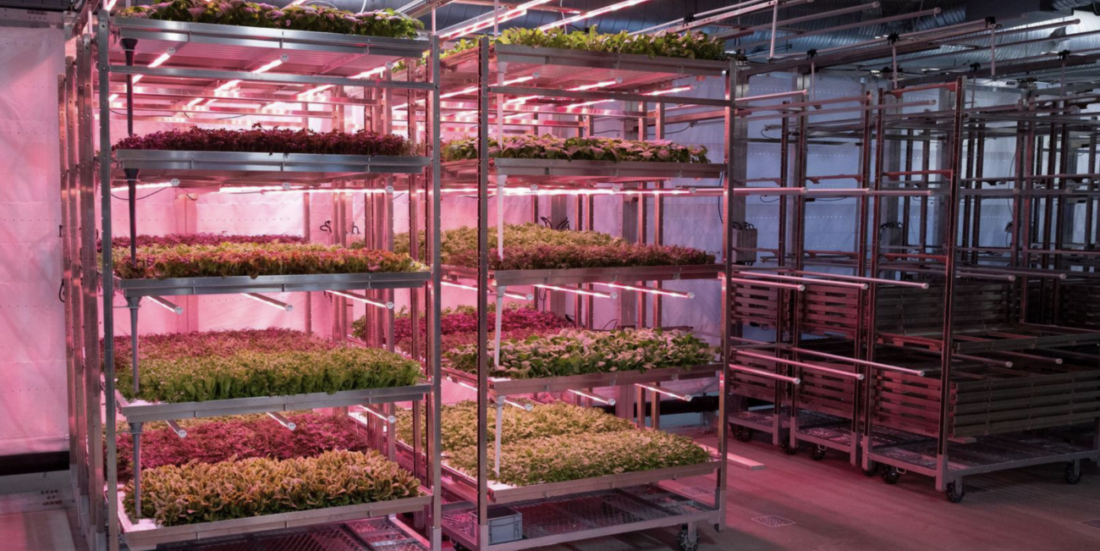
At Avisomo Modular Farming the lettuce is sown, grown, and packaged – all untouched by human hands. Increased food security and fewer imports are the goal.

Rainstorms are increasing in Norway, as is urbanisation. Municipalities must plan differently and are asking how much residents are willing to pay.

Until now, it has been almost impossible to measure the energy density of hydrogen precisely, but a new sensor can register every single molecule. This could lay the foundation for correct accounting in the hydrogen economy.

Biomass has played a key role in the Spanish Principality of Asturias’ transition away from coal. Could its sustainable use support regional growth and energy resilience in Norway too?

Can AI agents get geophysicists, geologists and reservoir engineers to work more closely together? Two summer researchers at SINTEF developed a prototype together with Geoteric, who brought the result to one of the world's largest conferences for...

Currently, water samples must be transported to a laboratory to reveal pollution. But new sensor technology is enabling researchers to measure pesticides in the water on site – and get the results right away.

Resident involvement is often described as the weakest link in sustainable urban development. A new study suggests a practical solution to the problem.

SINTEF and VARD have signed a strategic partnership agreement to strengthen research, technology development and innovation in future maritime solutions. The aim is to meet the industry’s needs in the energy transition and accelerate the development...

mRNA-based drugs are emerging as the drug of the future for a wide range of diseases, but they are difficult and time-consuming to develop. A new method based on human blood could make this easier.

Time is running out for the climate – can geoengineering buy us some more? A new report from SINTEF explores technologies that could help reverse climate change.

We need more electricity, and the power grid must be expanded significantly. But how much and how quickly? This is how “monster masts” and expensive power expansion can be postponed.

Installing just four percent of Europe’s commercial buildings with a Thermal Box from Norway — about the size of an American industrial refrigerator — would spare Europe the need to build seven nuclear power plants.