
The EU considers pure hydrogen to be one of the backbones of its future energy system.
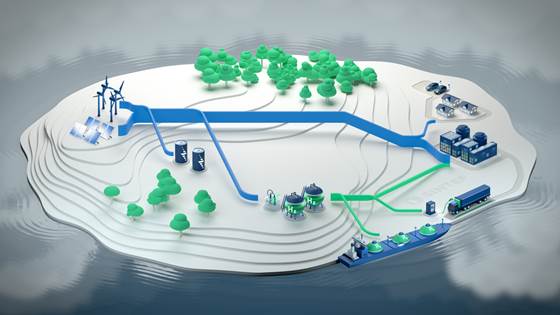
Hydrogen is extremely versatile. For example, it can be used to generate power in small and large power plants, operate electrical lorries, locomotives and ships, and provide buildings with heat – with zero emissions! It can also help make key industrial processes greener, such as steel production.
Hydrogen can be produced in two ways. As early as 200 years ago, pioneers managed to use electricity to split water into hydrogen and oxygen. This process is still well suited for storing energy in situations when there is insufficient access to solar and wind power, when batteries do not have sufficient capacity, or when energy needs to be stored for a long time.
However, if the EU is to get enough clean hydrogen for its energy system, it also needs to use hydrogen extracted from natural gas. Norway can contribute to this by splitting our natural gas into hydrogen and CO2. We can then sell the hydrogen, and convert the CO2 into carbon by using CCS (carbon capture and storage) and gas-based hydrogen plants.
SINTEF conducts research into important areas within the clean hydrogen value chain from production to transport, storage and end use.
Knowledge of these areas provides Norway with a golden opportunity to develop new green industry that the world will need in order to beat the climate crisis.