Bioenergy is the energy found in all biological material. Simply put, anything that can rot.
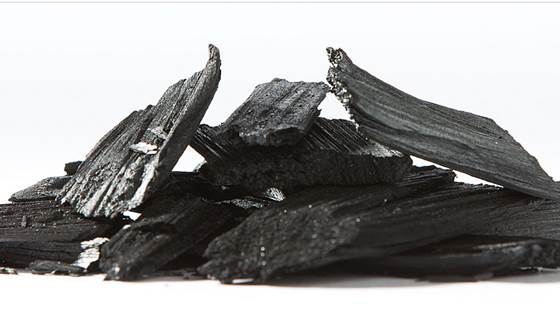
There are countless ways we can make use of bioenergy. The simplest and perhaps oldest form of bioenergy is using firewood to light a fire. More modern and complex forms of bioenergy are using biomass to produce biofuel, biocarbon or biochar (charcoal), district heating or electricity.
Biomass contains carbon, so when we burn it we release CO2. But bioenergy does not increase the CO2 concentration in the atmosphere. A simple example is the felling and planting of forests. A tree absorbs CO2 from the atmosphere through photosynthesis. When we burn the tree, the same CO2 is released again. No new CO2 is created, and the cycle is therefore 100% climate neutral.
The challenge the world faces today is that biomass can be used for so many purposes that we need to research what the best way to use it is. That is why SINTEF does not only work on how to produce better biochar, biofuel and more efficient combustion processes. We also do a lot of research on sustainable resource management, to avoid overexploiting our bio-resources. In addition, we are looking at how we can remove CO2 from the atmosphere through a process called BioCCS.