
Automatic recognition of electrode defects based on optical microscopy images
We investigated the use of machine learning for automatic detection of defects in battery electrodes.
We investigated the use of machine learning for automatic detection of defects in battery electrodes.

The goal is to design and demonstrate safe and effective connection of an emergency towing line for ships without an IMO requirement for onboard emergency towing system.

We will explore how social AI can enhance coping skills and quality of life for youth (16-20 years), while addressing privacy and misinformation, to provide concrete recommendations for improving digital support services.

How can local food strengthen both preparedness and local communities? This project examines how farmers, municipalities, and the Armed Forces can collaborate to make greater use of locally and regionally produced food.

In GoHydro we aim to develop a novel algorithm for optimization of hydropower production. GoHydro will utilize the immense computing power of modern graphics processing unit (GPUs).
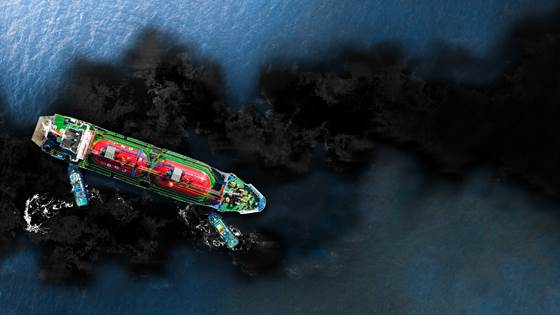
GOSPEL aims to leverage GPU-accelerated simplified ocean models to investigate and estimate uncertainties in short-term predictions of the spread and fate of oil spill at sea.

The main objective of the IMAGINE project is to develop a hydrogen gas fueled combustion engine tailored to withstand hydrogen degradation, ensuring material integrity and durability of critical components throughout the engines’ lifetime.

To develop and evaluate a new community-based comprehensive, holistic, goal-oriented multi-symptom rehabilitation programme tailored to the needs and circumstances of each individual.
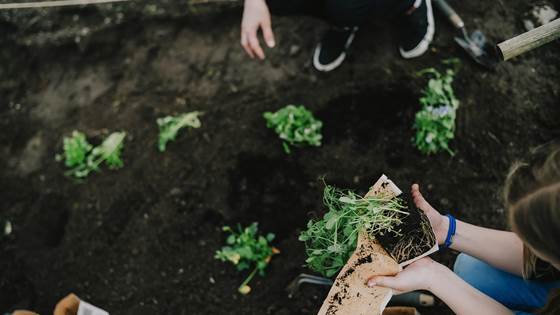
Plastic in packaging materials represents a significant environmental challenge. In this project, SINTEF investigates whether rest raw materials from Norwegian agriculture, also known as agriwaste, can be part of the solution.

This project sheds light on the development in agriculture and related industries in 71 Norwegian municipalities situated in mountainous areas between 2015 and 2023. The findings are compared to the development in agriculture in Northern Norway and...

NoMyPro is developing sustainable mycoprotein for the aquaculture sector.
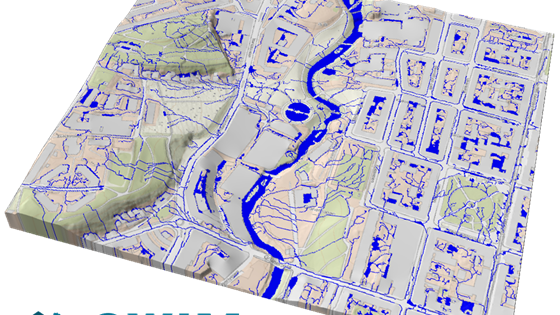
SWAMP aims at developing open-source software for simulation and analysis of surface water caused by flooding and intense rain, and using this simulation software to make demonstrators show casing our experience and expertise.
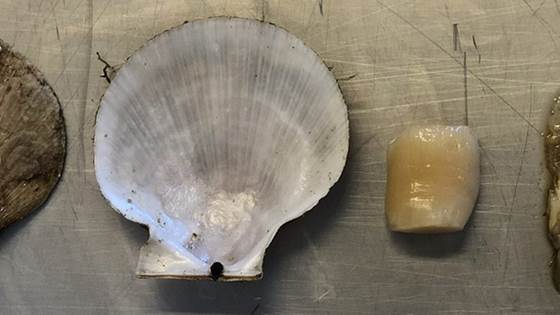
UTANTOX is about reducing heavy metals in marine residual raw material. The aim is to develop a method for reducing cadmium in by-products from Iceland scallops.

The project aims to shed light on the challenges children and adolescents face in managing anaphylaxis, a potentially life-threatening hypersensitivity reaction.
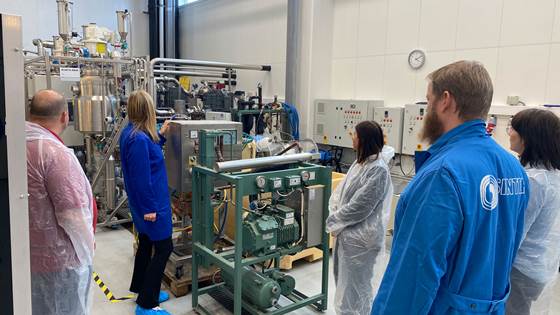
SINTEF Ocean together with NOFIMA are working in the project SAFE where one of the main goals is fostering bilateral cooperation between Croatia and Norway in the field of sustainable aquaculture and fisheries.
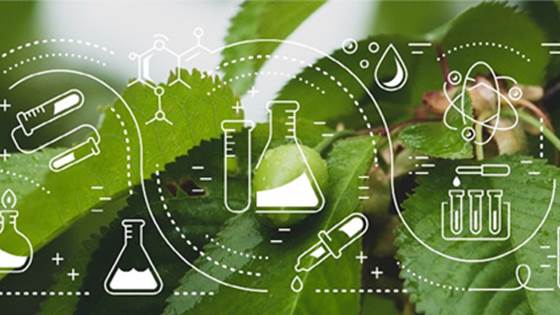
The NordiCoats project is aimed at developing new bio-based epoxy compounds for high-performance applications, with a focus on sustainability and environmental friendliness.
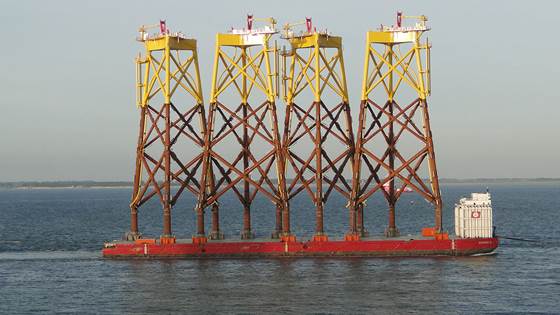
The WINDRISE project will bring together leading Norwegian players in the value chain for sustainable and scaled-up production, transport and installation of fixed offshore wind substructures.

JORDBÆRA develops a knowledge base for sustainable land use with a focus on soil protection, food security, and cross-sectoral planning.