
JORDBÆRA – Soil and Sustainable Land Use
JORDBÆRA develops a knowledge base for sustainable land use with a focus on soil protection, food security, and cross-sectoral planning.
JORDBÆRA develops a knowledge base for sustainable land use with a focus on soil protection, food security, and cross-sectoral planning.
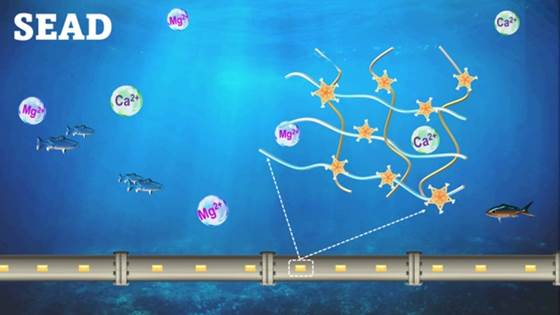
The SEAD project will explore the potential of plant-inspired pyrogallol-based compounds as adhesion anchoring sites.
The FUMO project aims to find solutions for a sustainable and growing transport system in arctic urban and industrial conditions.
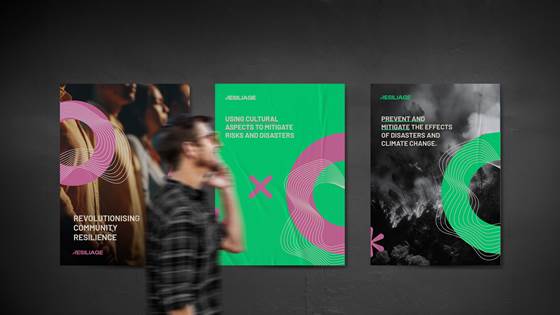
RESILIAGE will unlock Europe's hidden resource: community resilience. Through digital tools and soft solutions, it will revolutionise DRM, co-create resilient communities, inclusion, and more, with a holistic approach.
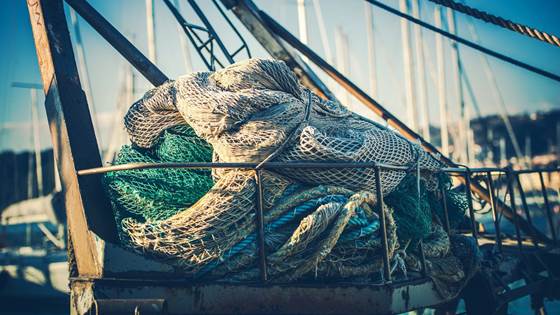
SEARCULAR’s core objective is the reduction of marine litter and microplastics generated by European fisheries (demersal trawlers, demersal seiners, tropical tuna purse seiners) and to promote circular economy practices in the fishing industry.
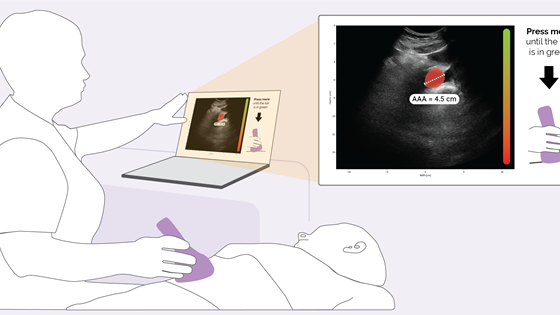
We will enable medical imaging in remote areas by using artificial intelligence to guide ultrasound in real-time. Thereby improving remote health care services and its environmental and economic sustainability.
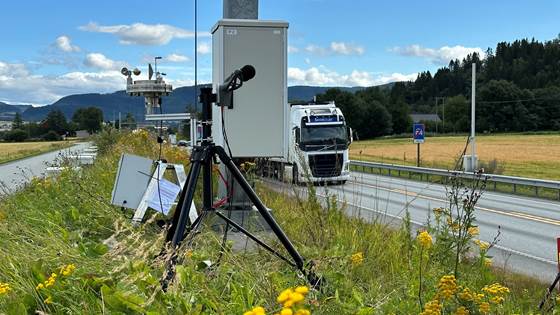
This project aims to adapt the new noise estimation methodology to Norway's unique conditions, by using large amounts of unmanned measurements and machine learning.
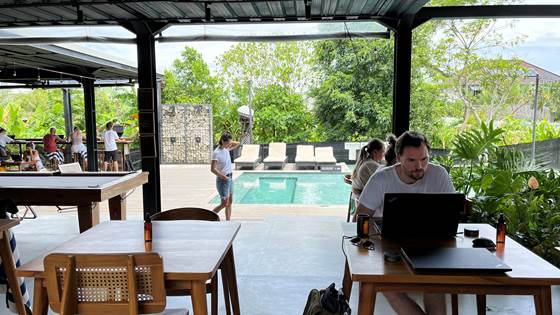
Sustainable and inclusive hybrid workplaces – anywhere and anytime?
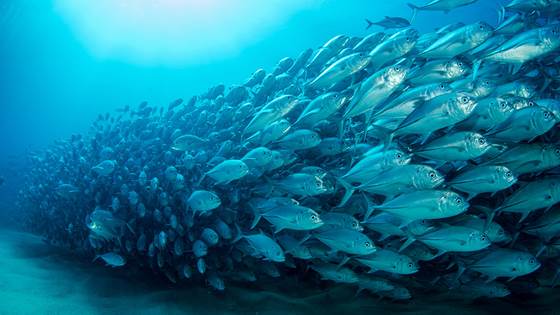
Food fraud threatens food safety, public health, and the effective functioning of market forces in the food sector. The EU co-funded project WATSON aims to reduce the risk and frequency of this type of fraud in the European market.

The primary objective is to examine causes and impacts from changes in outfield grazing and summer dairy farming and suggest how to maintain and support sustainable practices.

Hydrogen peroxide is today made in large scale using fossil fuels and shipped as diluted solutions. A better way is on-site, modular production using renewable electricity.
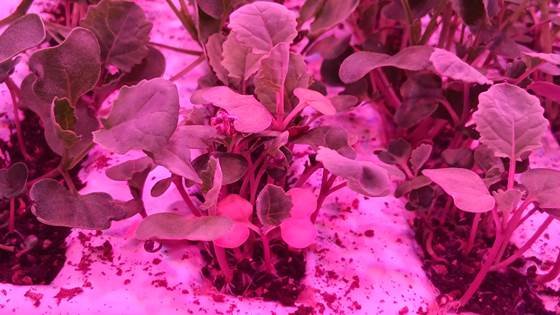
In Nutricycle we develop a technology for recycling nutrients from the waste water produced by land-based aquaculture, to a hydroponic plant-based fertilizer for vertical agriculture.
SINTEF leads the EU project RESIST to help communities how to adapt to climate change. From Vesterålen there are partners who will develop and use resilient and sustainable solutions.
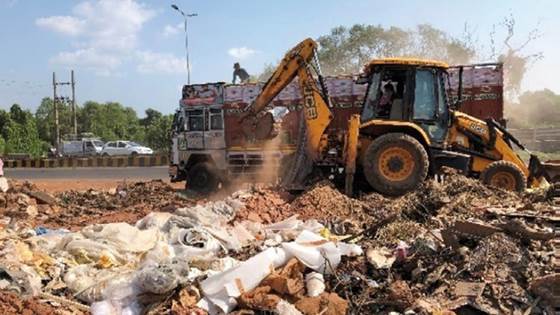
The objective is to raise awareness, build capacity, share knowledge of best practice internationally, and provide technical support and disseminating information to industry and authorities.
WISE Horizons will inform and accelerate the transition to a new economic paradigm with wellbeing, inclusion and sustainability at its core.
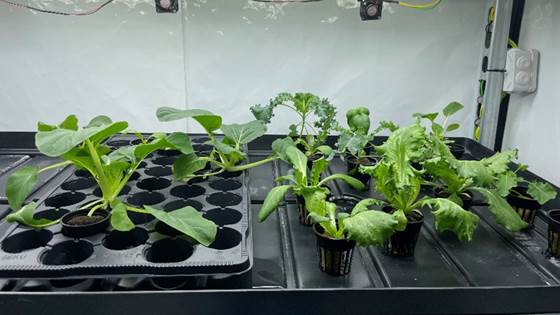
Laboratory for indoor vertical farming and optimisation of energy consumption for lighting.
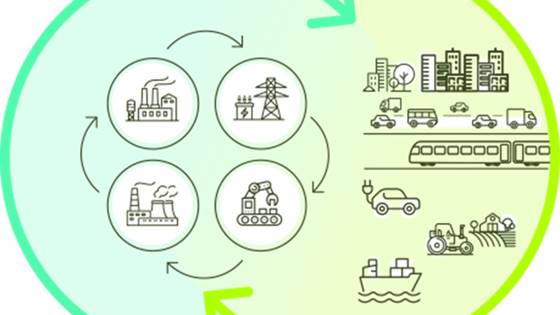
H4C Europe aims to accelerate the transition to industrial symbiosis, industrial-urban symbiosis, and circular economy by promoting what is called Hubs4Circularities.
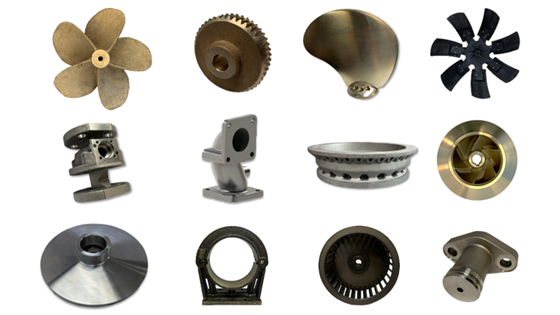
Project DAVAMS will promote the added value of using additive manufacturing (industrial 3D printing) in the supply chain for spare parts.