
Bio&PlastiCCS
Co-gasification of plastic waste with biomass residues, combined with CCS, presents an innovative bioCCS pathway for managing waste, contributing to negative emissions and supporting the transition to a circular economy.
Co-gasification of plastic waste with biomass residues, combined with CCS, presents an innovative bioCCS pathway for managing waste, contributing to negative emissions and supporting the transition to a circular economy.

Climate-friendly hydrogen production technology based on materials that act as an “oxygen battery,” making the process more efficient and reducing CO₂ emissions for the benefit of industry and society.

REACT is a Horizon Europe project developing an innovative tandem electrochemical process to directly convert industrial CO₂ streams into valuable olefines mixtures for sustainable polymers, chemicals, and fuels.

The project aims to transform industrial waste streams, biological rest materials and surplus energy into valuable feed ingredients to reduce Norwayʼs dependence on imported feed raw materials.

CaptureY establishes a deeper understanding of the political, regulatory, and techno-economic conditions for implementing carbon capture and storage in waste-to-energy facilities.

The “eCO₂ industries project: Towards Climate-Positive Industries” is a Clean Energy Transition Partnership (CETPartnership) project aiming to accelerate the transition of hard-to-abate industries towards net-zero, and even climate-positive...

SFI Seaweed unites academia, industry and the public sector to develop knowledge and technology for a sustainable macroalgae industry.

A CETP research project aiming to make carbon capture more efficient, safer, and environmentally friendly. It focuses on improving how to manage the chemical solvents that are used to capture CO¬2 from industrial emissions.

The project examines how Northern Norway can develop efficient and integrated logistics solutions for CO₂ transport.

The EU project eREGENERATE is working to develop a new generation of Direct Air Capture (DAC) technology that can remove CO₂ directly from the air in a more efficient, affordable, and sustainable way.
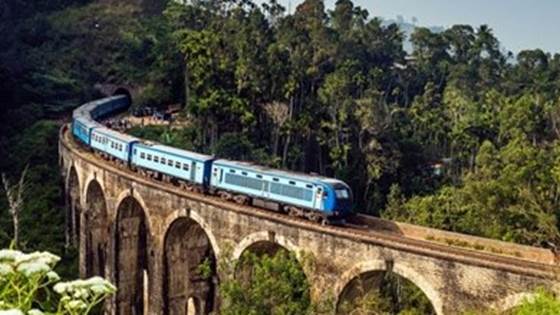
Sustainable transformation of rural communities via technical, social and organizational innovations
FME ZeMe developes the fundamental knowledge and technologies needed by the Norwegian metallurgical industry to become climate neutral by 2050.

gigaCCS will create competitive CCS technologies, increase value, and reduce risk for industry and society through strategic competence and capacity building, supporting emissions reduction targets.

The IntoCloud project aims to fill in the missing data and knowledge gaps related to CO2 leakage at cold temperatures.

MEMCO2 will reduce the costs and energy of CO2 capture by developing the "next generation" membranes for CO2 removal from natural gas with subsequent CO2 sequestration in aquifers or depleted oil reservoirs.
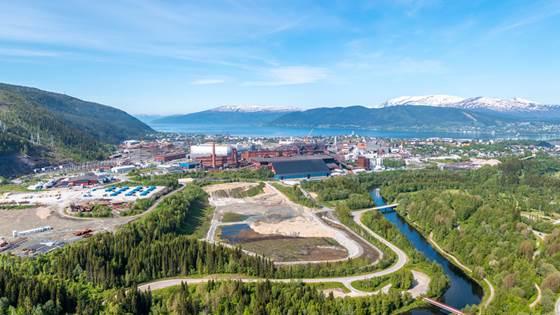
RESPOND2030 brings together governance, industry, and research actors to develop knowledge on the conditions, and paths forward for processing industry decarbonization and associated energy system change.
Carbon-negative pressurized hydrogen production from waste using an energy efficient protonic membrane reformer.

Trondheim aims to become a climate-neutral, energy-efficient, circular, and climate-adapted city.