Energy security entails secure access to energy resources, capacity in the infrastructure for the production and transport of energy to end users, and the ability to maintain and restore the energy supply when something fails.
In a time marked by geopolitical unrest, climate change, and technological development, we need solid insight into the factors that affect the resilience of the energy system. The energy system is becoming more digitalized and more complex; society is undergoing large-scale electrification, and sector coupling and interaction between different energy carriers are becoming increasingly important. Research and analyses provide a better knowledge base for understanding threats and vulnerabilities that may challenge energy security. This can in turn be used to develop solutions that strengthen the resilience of the energy system.
A safe and well-functioning energy system is crucial to almost all parts of society. Energy is necessary for communications, water supply, transport, and healthcare, and is a prerequisite for industrial value creation and the operation of public services. When the energy supply fails, both everyday life and societal security as a whole are affected: Production comes to a halt, critical services are weakened, and households lose access to heat, light, and digital services. Stable access to energy is therefore fundamental to both business competitiveness and public safety.
Work to strengthen energy security ranges from technology development and energy planning to system analyses, emergency preparedness planning, monitoring and more efficient use of energy. Improved risk and vulnerability analyses provide insight into how different threats can affect the energy system and create cascade effects. Measures such as islanded operation of the energy system, local generation, energy storage, access to critical components, and strong repair preparedness make systems less vulnerable. Energy efficiency, flexible consumption, and diversity in energy sources can provide greater room for maneuvering both in normal operations and during crises. Interdisciplinary knowledge and good cooperation between authorities, industry, and research communities can provide a solid basis for a robust energy system that can withstand stress and be quickly restored after unwanted events: A resilient energy system.
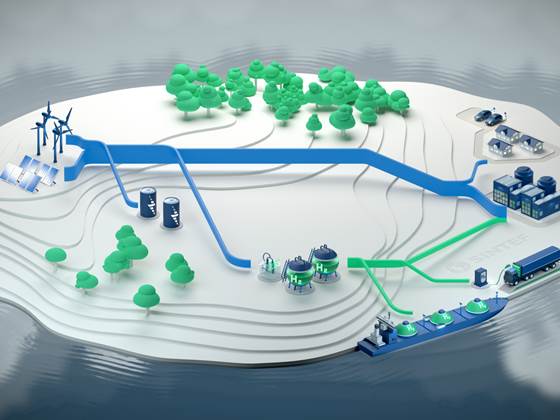
Below you will find more about the various subject areas that together provide the basis for holistic analyses of energy security – from power systems and offshore energy to integrated energy systems and associated value chains.