
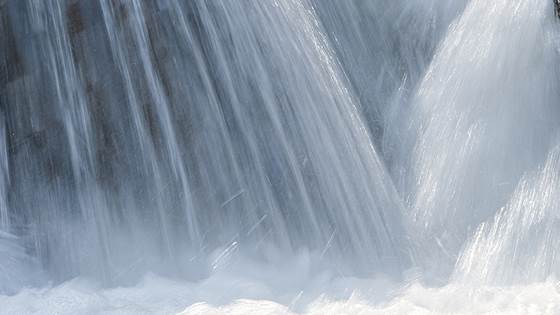
Hydropower
We work together with our customers to achieve efficient hydropower production that also respects nature, the local environment and wildlife.

How can we reduce the impact of energy infrastructure on nature, the enviroment, and the climate? Norway, like many other countries, needs more renewable power, but how can we develop and operate energy systems in ways that minimise the impact on ecosystems?
The Department of Renewable Energy develops the knowledge and tools needed to make this possible, from detailed modelling of individual power plants, to strategic analyses of the European energy system.
What unites us is our combination of deep mathematical and technical expertise with a broad systems perspective, and our focus on developing solutions that can be implemented in pratice.
The department leads and participats in major national and European research projects. SINTEF Energy Research is the host institution for FME Interplay, a research centre with more than 30 partners working on the inegrated planning of energy systems to help Norway achieve both its climate goals and its objectives for preserving nature and biodiversity. The department has previosly led and participated in FME HydroCen and is a partner in FME RenewHydro and FME NorthWind.
The department is located at Sem Sælands vei 11.
We work together with our customers to achieve efficient hydropower production that also respects nature, the local environment and wildlife.
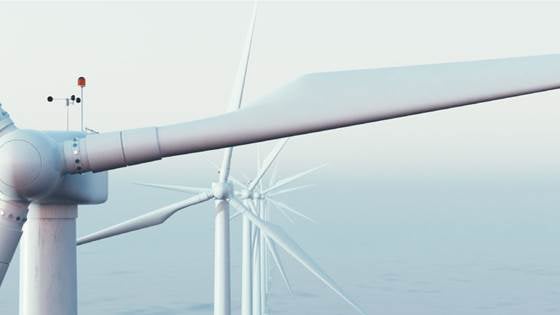
Norway has just left the starting line in a race to become the nation that conquers the sea with deep-water wind turbines.
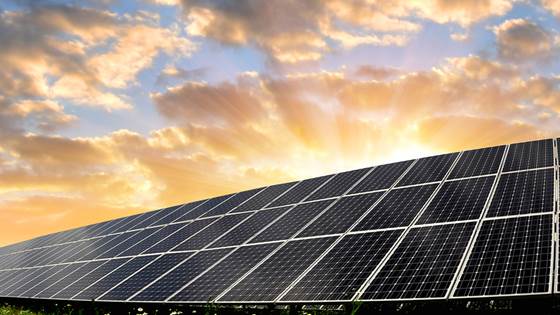
SINTEF is doing research to make solar energy more efficient, more competitive, and more environmentally friendly.

Research on wave energy contributes to harnessing wave power for electricity generation and other applications.
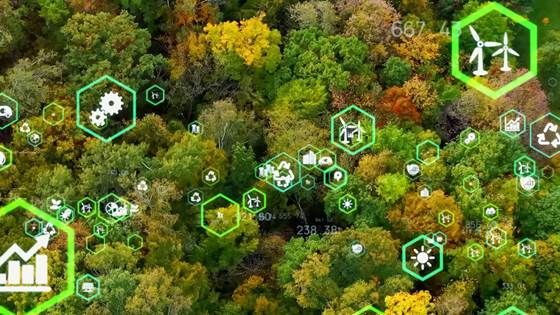
SINTEF develops technological and industrial solutions to address global environmental and climate challenges.

The energy system of the future must support a zero-emission society. Decarbonization is the most important driver, together with digitalization and decentralization, which bring both opportunities and challenges for the energy system.
