RenewHydro
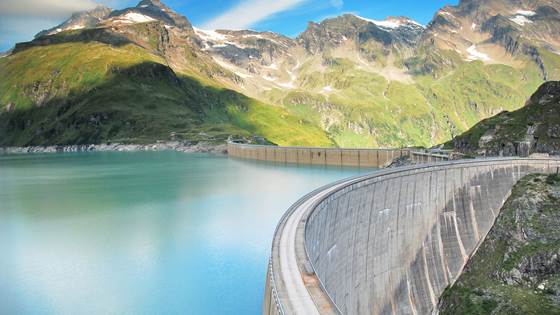
RenewHydro aims to develop knowledge and solutions that enable flexible hydropower to support the realization of energy transition and achieve national energy, climate, and environmental goals.
More efficient rail mobility via innovative AI-based methods, by enabling optimized planning of rail replacement services and cost-effective infrastructure investment decisions.
The project will develop metal barriers able to mitigate hydrogen embrittlement and degradation of the underlying base material. This will contribute to safe storage and distribution of high-pressure hydrogen gas, which is essential for enabling the...
The main objective of RESPOND-SEA is to promote knowledge to improve interaction, collaboration, and coordination between public sectors, administrative levels, and between governmental and non-governmental bodies in the safeguarding of critical...
RESPOND2030 brings together governance, industry, and research actors to develop knowledge on the conditions, and paths forward for processing industry decarbonization and associated energy system change.
Research is focused on increasing the utilisation rate of Vianode's raw materials for its graphite production, to enable use as anode material in either Li-ion batteries or Na-ion batteries.
Norsonic AS, SINTEF and NINA are launching a new project aimed at advancing AI’s ability to understand and recognize of sound. The project is called ROaR (Robust Acoustic Recognition) and is funded by Norsonic AS and the Research Council of Norway.
SecurEL facilitates a secure, resilient, and sustainable electricity distribution grid that ensures both the security of electricity supply and a path to a net-zero emissions society.
Selective breeding has proven a promising tool to increase the fecundity in copepods. In SEQOP, SINTEF, NOFIMA and CFEED will assess if selectively bred lines of Acartia tonsa also display genetic alterations.
Norway has potential resources for the production of critical raw materials in metallic form from domestic resources, such as industrial minerals, waste from the process industry, and unexploited mineral resources.
SocialFeed will develop a firm foundation on social sustainability assessment specifically adapted to the Norwegian agri- and aquafeed sectors and evaluate the sector’s net social footprint.
SOLARIS drives Europe’s energy transition by optimizing resource efficiency and solar energy sustainability across the entire lifecycle of photovoltaics.
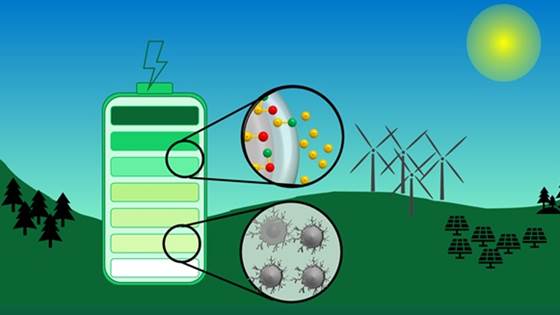
Developing sustainable electrolyte materials for safe, affordable sodium-ion batteries, enabling the green energy transition and reducing reliance on critical raw materials.
Spartacus aims to develop low-cost, decentralized wastewater treatment systems using local biomass. It seeks to convert wastewater into reusable or potable water at pilot scale (TRL4). Reducing contaminants, improving sustainability, and supporting...
TraCES investigates how new industries such as offshore wind, hydrogen and CO₂ storage can be scaled up in parallel with the decarbonisation of remaining petroleum activities to provide decision-makers with concrete and evidence-based advice for...
The aim is to ensure onboard and onshore competence for low emission, efficient and safe operation of Wind-Assisted Propulsion System (WAPS) ships, to enable industry to invest and upscale WAPS.
This project is working on new insulation liquids for transformers that can be safer, more sustainable, and better at cooling.
Carbon-negative pressurized hydrogen production from waste using an energy efficient protonic membrane reformer.