Tailwind– Sustainable station-keeping systems for floating wind
TAILWIND embraces sustainable-by-design principles to shape the next generation of floating offshore wind (FOW) farms.
In Airspector we are building tools for planning and simulating aerial inspection missions using autonomous drones. Our goal is to make it simple to plan efficient and safe drone paths to inspect any 3D model, to inspect any type of infrastructure in...
The APOLLO project is set to forge a circular system, intertwining traditional recycling practices with future manufacturing and recycling processes for Photovoltaic (PV) waste modules.
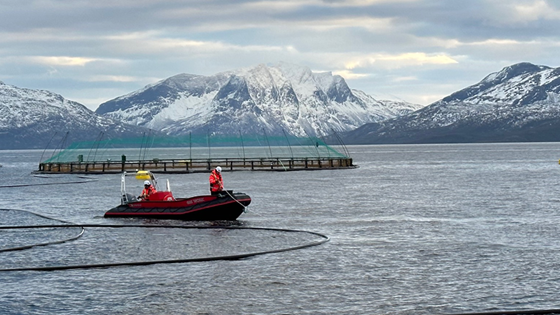
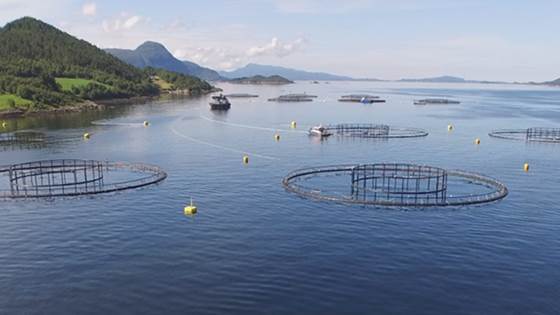
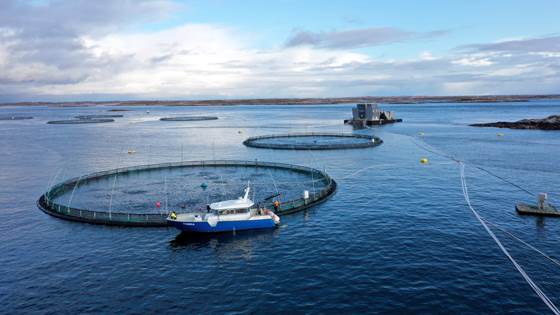
AquaStar will develop an autonomous underwater system for targeted inspection and repair of holes in fish farm nets. The aim is to improve today's inspection routines and enable the immediate repair of holes.
We investigated the use of machine learning for automatic detection of defects in battery electrodes.
BioBIVE has a goal to develop bio-based and bioactive delivery systems to control fungal plant pathogens of different horticultural crops decreasing fossil-based materials and pesticide use, minimizing environmental footprint.
The main objective of COMPAS is to develop a compact, inexpensive, and ultrasensitive PIC sensing platform (PSP) for air and water monitoring, relying on the co-integration of light source, detectors, and electronic IC for on-chip signal processing.
CO2 routes across Europe
Demonstrate and test a new Compact Once Through Steam Generator (COTSG) as a core component of offshore Combined Cycle Power Plants (CCPP)
DigiBatt will slingshot the European battery industry forward by using advanced digital technology to make battery testing faster, cheaper and more accurate. We will develop novel digital approaches to extract more value from fewer tests. This will...
ELOXYCHEM will establish a electrochemical oxidation process that will replace existing thermochemical processes that are reliant on imported materials such as nitric acid and imported fossil-fuels.
The goal is to design and demonstrate safe and effective connection of an emergency towing line for ships without an IMO requirement for onboard emergency towing system.
We will explore how social AI can enhance coping skills and quality of life for youth (16-20 years), while addressing privacy and misinformation, to provide concrete recommendations for improving digital support services.
Industry is responsible for a large part of the global energy consumption and emissions. To help meet energy demands and reduce climate change, Extreme Efficiency aims to make industrial processes more energy efficient.
IPN Freki aims to develop a data-driven process for the pre-qualification of frequency containment reserves (FCR).
FUEL-UP aims to accelerate the deployment of advanced biofuels made from fast pyrolysis by de-risking and upscaling all the steps until fuel use. Allowing new routes to biofuels entering the market, which will mean an at least 80% emissions reduction...
The project improves industrial energy efficiency by integrating geothermal energy with high-temperature heat pumps and heat-driven cooling systems, ensuring environmental sustainability and operational flexibility.
This project aims to develop digital solutions that advance geological heat storage as an eco-friendly, scalable energy storage method, reducing energy demand and supporting the green energy transition.