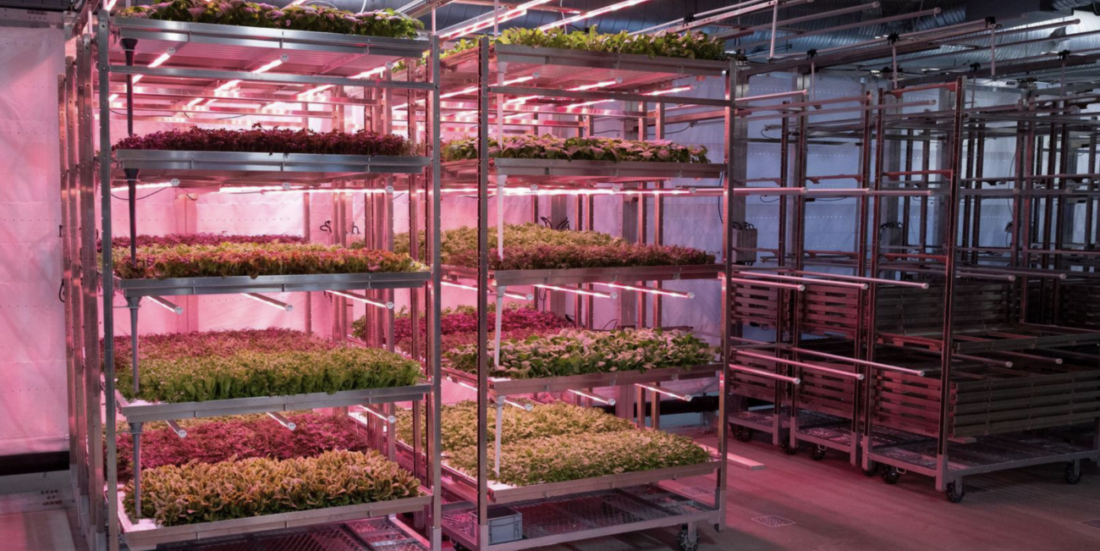
From seed to packaging, a robot can now grow food year-round
At Avisomo Modular Farming the lettuce is sown, grown, and packaged – all untouched by human hands. Increased food security and fewer imports are the goal.
At Avisomo Modular Farming the lettuce is sown, grown, and packaged – all untouched by human hands. Increased food security and fewer imports are the goal.

Can AI agents get geophysicists, geologists and reservoir engineers to work more closely together? Two summer researchers at SINTEF developed a prototype together with Geoteric, who brought the result to one of the world's largest conferences for...

What’s one of the most difficult things for a robot to do that hasn’t already been done? How about a robot that can see, understand, grasp and cut soft, slippery and deformable objects – without destroying them?

Artificial intelligence in the wrong hands can shape people’s political perceptions by spreading a false picture of reality. Lack of transparency in tech platforms has become a threat, according to researcher.

A new platform based on open standards will make it possible to connect seismic interpretation directly with reservoir simulation. The goal is faster, better decision-making for energy companies – and more systematic management of uncertainty.

A small, unmanned vessel operating ahead of a fishing trawler, scanning the upper water layers, can guide the vessel to areas with the highest concentrations of the tiny zooplankton species Calanus.

Antibiotics save lives, but they are also a global health threat. Scientist Noëlie Maurin at SINTEF has an idea that could help solve the problem: Remove antibiotic residues before they are flushed down the drain.

A revolutionary protective shoe concept adapts to the needs of users in a new way and provides increased comfort and minimizes strain.

A new Nordic-Baltic alliance of leading research and technology organisations (RTOs) was officially launched in Brussels on June 9, aimed at strengthening Europe’s total defence and resilience through closer collaboration on critical technologies and...