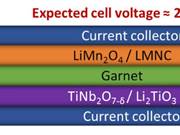
In the research project Oxibat, we aim to design, develop and test new oxide-based all solid-state batteries (ASSB) with long lifetime and low degradation during operation. Development of ASSB is...
In the research project Oxibat, we aim to design, develop and test new oxide-based all solid-state batteries (ASSB) with long lifetime and low degradation during operation. Development of ASSB is...
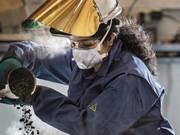
An interdisciplinary Centre for Research-based Innovation (SFI). Focus: During the next decades, the Norwegian metal industry will need to achieve even higher-quality output with more efficient...

Optimal Route Planning (ORP) aims to develop optimization-based algorithms and tools to support a smoother, future-oriented train timetabling process. The ORP Prototype is the first phase of this...
Provide repeatable and accurate data to forecast and monitor natural hazards such as snow avalanches, floods, landslides. Build an autonomous and modular geo-drone platform and develop innovative...

The POLSENS project aims to develop two standalone, portable sensing platforms for quick and reliable detection of environmental pollutants in surface waters by combining optical spectroscopy...
The players in the Nordic power market, i.e. producers, transmission system operators and regulators use computer models to plan for the best possible utilization of the system and energy...
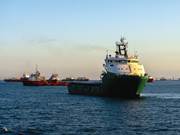
SEABAT The International Maritime Organization (IMO) targets 50% lower annual greenhouse gas (GHG) emissions from maritime transport by 2050 compared to 2008, and even pursues efforts towards...
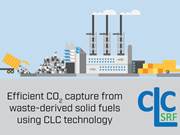
CO2 emissions from conversion of waste-derived fuels are estimated to about 18 million tonnes per year (ERFO - European Recovered Fuel Organisation, 2015). The report further estimates the market...
Optimizing marine battery operations using 6 years’ operational data from two commercially operating vessels. There are gaps between the various initiatives accelerating marine battery...
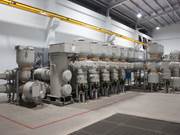
Gas insulated switchgear (GIS) are essential parts of a safe, robust, and flexible energy system. They are responsible for interrupting short-circuit currents when faults occur, isolating parts...

Enabling the big data pipeline lifecycle on the computing continuum Objective DataCloud delivers a toolbox of new languages, methods, infrastructures, and prototypes for discovering,...
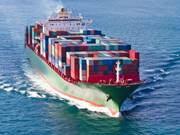
The marine sector is facing a large transition in the coming years, where large ship engines must be replaced with zero emitting technologies. Currently, ships are mainly powered by marine diesel...
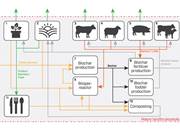
How can we handle organic waste at the Zero-Emission Farm at Mære in the most sustainable way? The main goal of the innovation project is to demonstrate the efficient harvesting of organic...

Energy storage...

KoBas aims to develop predictive models for volume and price in the regulating power market, with associated outcomes. Predictions in these markets will create value, both on their own and in...
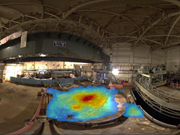
The primary objective of this project is to develop new technology and processes for increased safety and efficiency in nuclear decommissioning in Norway and abroad. Norway's two nuclear...

The primary objective for this project is to develop an autonomous fixed-wing drone-based solution for powerline and pylon inspection that is safer, more cost-effective, and delivers better data...
Interdisciplinary Education and Research Platform in Cold-Chain of Fish: From Norway to Japan Main objective is to establish an internationally recognized interdisciplinary education and research...

DAT4.Zero ("Data 4.0") will improve the European Manufacturing Industry. The project researches ways to achieve zero-defect manufacturing in smart factories. Project summary DAT4.ᴢᴇʀᴏ is...

NORCICS’ vision is to contribute to making Norway the most securely digitalized country in the world, by improving the cybersecurity and resilience of its critical sectors, through supporting...