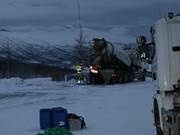
Cold conditions: In the future the demand for low-carbon concrete will increase. Such concretes have a low cement content and, as a result, low heat development during hardening. This makes them...
Cold conditions: In the future the demand for low-carbon concrete will increase. Such concretes have a low cement content and, as a result, low heat development during hardening. This makes them...

For å sikre bærekraftig mat til verdens voksende befolkning må vi utnytte fangsten maksimalt og unngå matsvinn. All sjømat som fangstes...

Digitalising electric power components presents great opportunities for securing electrical supply by streamlining the operation and maintenance of the energy system. We are working together with...
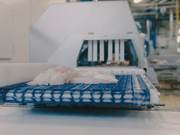
To ensure sustainable food for the world’s growing population, we must make maximum use of catches and prevent food waste. All seafood caught must be sorted and processed into products of the...
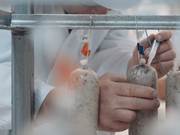
Most of us consume too much salt through the food we eat. And most this salt comes from processed foods. In collaboration with the food industry, SINTEF has researched how to reduce the amount of...
...70% of the Ocean is owned by none – or all. These are areas beyond national jurisdiction. This area is today governed very fragmented, and on many different topics, such as fisheries,...

Researchers are aiming to find out how earbud sound quality responds to movement and how well the buds stay in place during a variety of physical activities. Video by Karoline Ravndal Lorentzen...
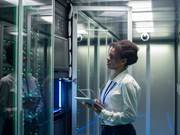
Significant resources are lost as excess heat every day. We are currently conducting research to do something about it. One biproduct of all industrial processes, from aluminium production to...

SINTEF is intensifying its efforts for emission-free air traffic, and became this week a member of two exclusive, European partnerships with ambitious plans for green aviation. "If we are to...

A floating laboratory on its way out into the fjord. The equipment will be a key part of OceanLab and will provide us with new and better knowledge about environmental changes in the ocean and...

For å møte fremtidens fôrbehov utvikler vi produksjonsteknologi og biologi for lavtrofiske arter som har potensial som fôrressurser. For å møte fremtidens fôrbehov...

Norsk senter for planktonteknologi er en forsøksfasilitet som bidrar til ny kunnskap om produksjon, høsting og prosessering av planktonbiomasse fra landbasert produksjon og fra havet....

SINTEF har i mange år jobbet med totalutnyttelse av biomasse fra mat- og sjømatindustrien. Dette innebærer å ta vare på hele råstoffets verdikjede: fra håndtering,...

There is an endless amount we still do not know about the ocean. The hope now is that this buoy in the Trondheim Fjord will provide us with answers about the state of the ocean - how we can look...
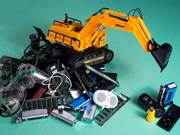
Only a third of all electronic waste, so-called WEEE, is collected and recycled for reuse. Our homes are full of electronic devices, and if you check their contents you will be able to tick off...
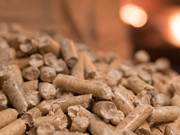
Bioheat refers to all types of heating based on the combustion of biomass and by-products of biomass conversion. Typical examples of biomass are wood, wood chips or pellets, and organic waste. In...
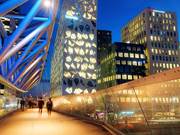
Energy systems in cities will be different in the future, and many changes have already been implemented. Political zero-emission targets are important driving forces for this, as fossil fuels,...
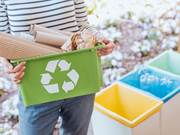
Approximately 50% of municipal solid waste is biogenic. This waste contains a lot of energy and recyclable materials that can be further utilised – and a circular bioeconomy does just that. Earth...
At a time when the climate challenge is fast becoming a climate emergency, the North Sea is an ideal platform for developing the climate technologies of the future, according to several leading...
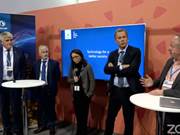
An international panel with participants from government, research and industry was unanimous in its recommendation: if we are to reach zero emissions by 2050, we must develop and scale up CCS...