
PreWinT - Prediction and Mitigation of Wind-Turbine Noise and Its Impact on Humans
To improve the understanding of wind turbine noise generation, propagation and impact on humans, under all Norwegian atmospheric and topographic conditions.
To improve the understanding of wind turbine noise generation, propagation and impact on humans, under all Norwegian atmospheric and topographic conditions.

The ReCirc4Future project will explore novel exploitation of the side streams crude glycerol, urea fatty fraction and spent bleaching earth, that arise from omega-3 production.
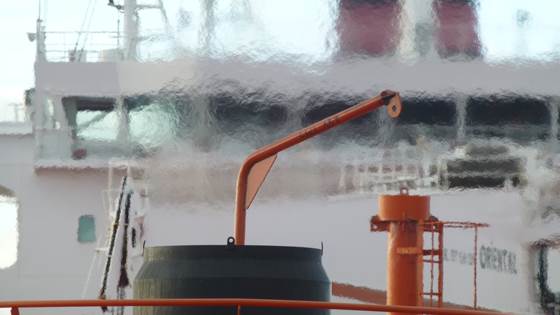
The VOCSimPRO project aims to modernize and expand SINTEF’s simulation tool VOCSim. By implementing it in a modern programming language and developing new methods for calibration and uncertainty analysis, VOCSimPRO will enable emission analysis...

Can lights increase shrimp trawl catches while reducing bycatch? This project explores how shrimp trawlers can apply light to attract shrimp and help juvenile fish escape.

The main goal of the project is to create collaborations between research environments, industry and society in Trøndelag and Västernorrland in sustainable materials and chemicals production.
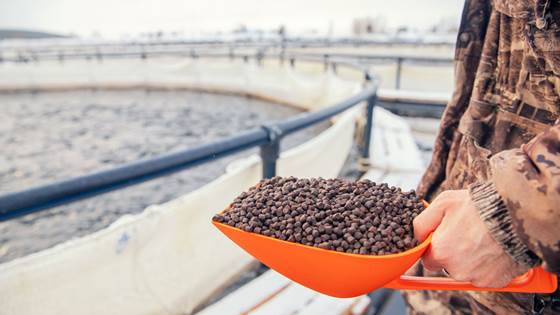
The goal is to analyse different areas of use for fish sludge, & provide a scientific decision support for identifying the most promising value chain from a resource & environment perspective.

Provide better Arctic oil-spill detection using satellites and real-time monitoring, and enable faster, coordinated response to reduce environmental harm and protect communities.

Optimising agrivoltaic O&M across Europe by investigating context-specific challenges, innovating sensor and control systems, and co-designing a predictive, cost-efficient management strategy.

A Horizon Europe project developing an integrated suite of robotic, digital, and AI-based technologies to support the full renovation process, from inspection and diagnosis to repair, safety, planning, and sustainability assessment.
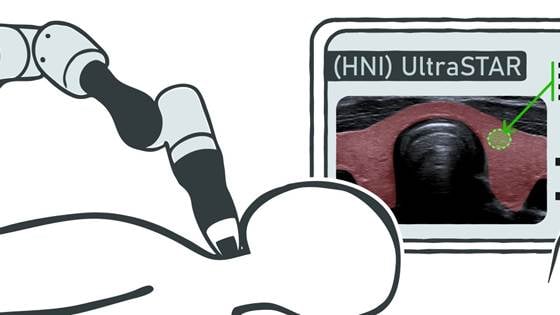
The primary goal of this project is to test if ultrasound scanning of the thyroid gland is feasible using a robotic arm, without any radiologist present.

TRACE develops knowledge and methods for the sustainable development of the transport sector.

The project develops new insights into how we can build greater robustness in the food system by fostering east–west collaboration between regions, rather than traditional north–south approaches.

We will develop, demonstrate and monitor data-driven solutions that enhance the energy efficiency and energy flexibility of existing and new buildings for the decarbonization for the building sector.

How can we reduce food waste and at the same time preserve the quality of Norwegian fruit and vegetables? This is the question that researchers at SINTEF Ocean want to answer this project.

The aim is to identify bottlenecks and factors that affect the time required to reach the correct diagnosis, access to treatment and follow-up care, and patients’ experience of the healthcare they receive

Quantum computing is rapidly emerging as a transformative technology for science, industry, and society. With the Q-NRI project, Norway is taking a decisive step to build national competence and infrastructure for the quantum era. SINTEF plays a...

The ReSEAlience project, titled "Unlocking the Potential of Seaweeds and Halophytes through Biorefinery for Enhanced Resilience in the Aquaculture, Agri-Food, and Chemical Industries," seeks to revolutionize marine biomass use by developing a...

The EDA SHABAM project address the future of robust and flexible military radio communications.