
Flex2future model tests
Developing resilient offshore renewable energy systems combining wave, wind and solar power to deliver low-cost clean electricity and support the green transition.
Developing resilient offshore renewable energy systems combining wave, wind and solar power to deliver low-cost clean electricity and support the green transition.

The ESA STARS project explores the feasibility of inter-domain routing algorithms in space-based networks to pave the way to a network convergence between terrestrial and space.

The objective of the feasibility study is to assess the potential for developing and implementing an information system for provision of Assistive Technology (AT) that can be integrated into existing Health and Education Information Systems in Uganda...

Pre-project for the establishment of a greenhouse for tomato production using surplus heat from a datacenter

The project examines how Northern Norway can develop efficient and integrated logistics solutions for CO₂ transport.

The main goal of the project is to create collaborations between research environments, industry and society in Trøndelag and Västernorrland in sustainable materials and chemicals production.
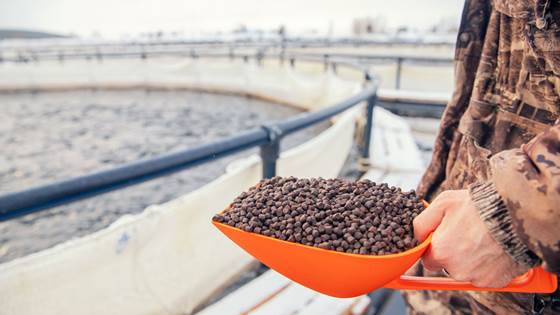
The goal is to analyse different areas of use for fish sludge, & provide a scientific decision support for identifying the most promising value chain from a resource & environment perspective.

Quantum computing is rapidly emerging as a transformative technology for science, industry, and society. With the Q-NRI project, Norway is taking a decisive step to build national competence and infrastructure for the quantum era. SINTEF plays a...

This project focuses on responsible integration of artificial intelligence (AI) into general practice in Germany, specifically through co-development of an AI-powered chatbot.

Geodata Space for Smart Water Monitoring & Response from Extreme Weather

Development of an energy efficient method for thermal energy storage using ice slurry in dairies, with a focus on reducing peak loads, optimising energy use and ensuring high product quality.

The project promotes the secure, ethical and lawful handling and sharing of sensitive data, strengthening trust and compliance while enabling responsible research and innovation.

To promote sustainable handling and reuse, this project will test a process for removing heavy metals from used blasting sand and explore potential applications of the recovered material.
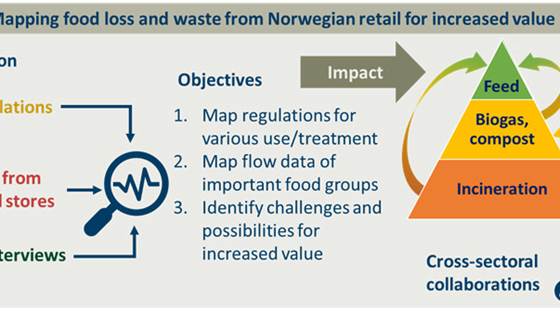
In this pilot project, food waste in Norwegian grocery stores will be mapped to highlight effective measures and assess opportunities for increasing the use of biogas and combustion for feed.

Developing a deep-learning model to automatically detect landslides from satellite images – supporting faster disaster response and safer land-use planning in a changing climate
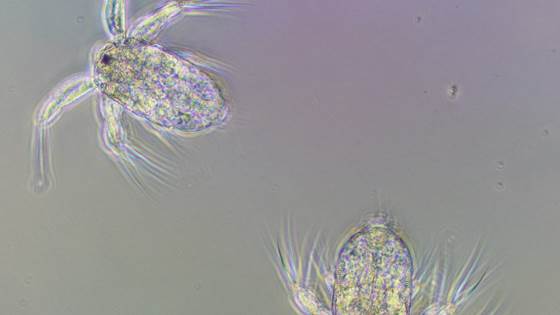
Selective breeding has proven a promising tool to increase the fecundity in copepods. In SEQOP, SINTEF, NOFIMA and CFEED will assess if selectively bred lines of Acartia tonsa also display genetic alterations.

This is a knowledge base for developing regional policy that will support fisheries, aquaculture, agriculture, forestry and reindeer herding in accessing adequate land and sea space for future development. The report deals with change in land use and...
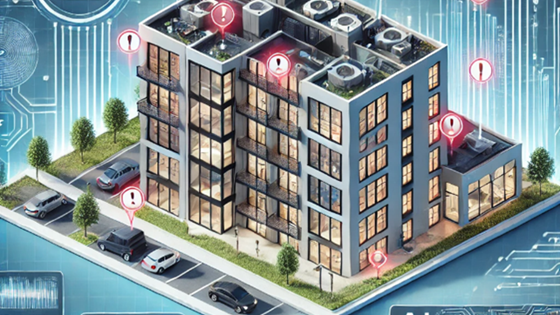
The project aims at generating and curating a high-quality dataset for air handling unit operation with emulated faults to develop fault detection and diagnosis solutions.