
IPN Blue Shift
Improved efficiency in aquaculture vessel operations through interpretable decision support.
Improved efficiency in aquaculture vessel operations through interpretable decision support.
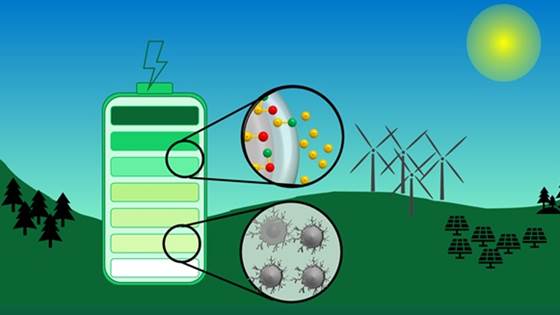
The goal of the LiTIA project is to develop new knowledge on lithium transport and interface reactions in advanced battery materials, which are identified by our industry partners CENATE and Vianode as key knowledge gaps.

Underwater noise radiated from waterborne transport is harmful for marine life. The project contributes to quieter oceans by showing the effectiveness of noise reduction solutions.

Land use and planning for infrastructure and nature

The computers of the future might be driven by skyrmions – units of magnetism that can be manipulated with much less energy than the electrical charges that are used today. In NIMSKY, we are performing fundamental studies of how skyrmions move in...

A collaborative forum gathering various stakeholders to explore key topics in the field of smart buildings and publish actionable insights to help tackle challenges in this industry.
OptiFLEX will investigate the interaction between very large rotors (>20MW), towers and the floater supporting them, to precisely understand vibrations, mitigate fatigue and avoid failure.

Pol(Hy)mer is a knowledge building project which aims to create knowledge on the interactions between polymer materials (and multimaterial structures which include polymers) and H2, to aid proper selection of materials to minimize leakage and...

PROTEA aims to develop open tools for solar energy planning that integrate technology assessment, ecology, and social equity, supporting a just energy transition while protecting biodiversity.

An optimized thawing process for “fresher than fresh” fish products

RenewHydro aims to develop knowledge and solutions that enable flexible hydropower to support the realization of energy transition and achieve national energy, climate, and environmental goals.

More efficient rail mobility via innovative AI-based methods, by enabling optimized planning of rail replacement services and cost-effective infrastructure investment decisions.

The project will develop metal barriers able to mitigate hydrogen embrittlement and degradation of the underlying base material. This will contribute to safe storage and distribution of high-pressure hydrogen gas, which is essential for enabling the...
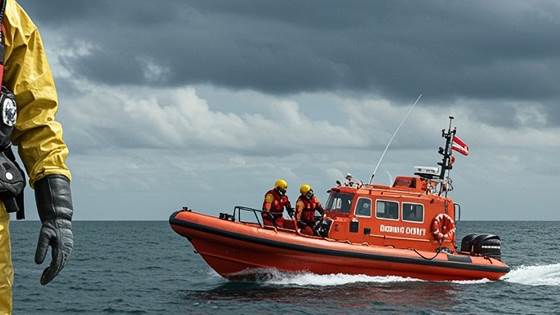
The main objective of RESPOND-SEA is to promote knowledge to improve interaction, collaboration, and coordination between public sectors, administrative levels, and between governmental and non-governmental bodies in the safeguarding of critical...
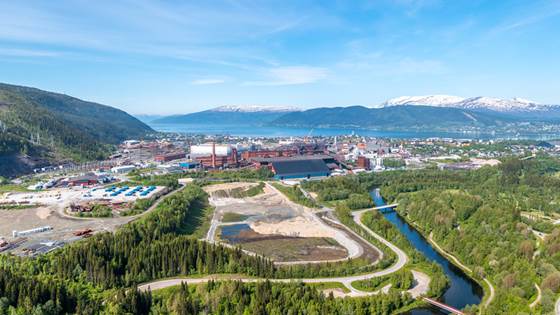
RESPOND2030 brings together governance, industry, and research actors to develop knowledge on the conditions, and paths forward for processing industry decarbonization and associated energy system change.

Norsonic AS, SINTEF and NINA are launching a new project aimed at advancing AI’s ability to understand and recognize of sound. The project is called ROaR (Robust Acoustic Recognition) and is funded by Norsonic AS and the Research Council of Norway.
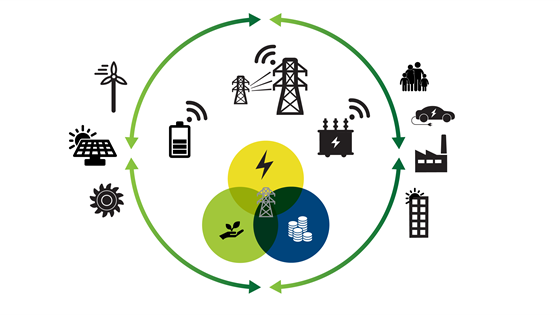
SecurEL facilitates a secure, resilient, and sustainable electricity distribution grid that ensures both the security of electricity supply and a path to a net-zero emissions society.
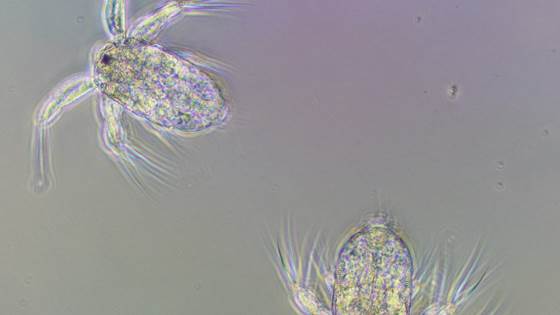
Selective breeding has proven a promising tool to increase the fecundity in copepods. In SEQOP, SINTEF, NOFIMA and CFEED will assess if selectively bred lines of Acartia tonsa also display genetic alterations.